








Introduction to Generative AI in Manufacturing
Generative AI, a subset of artificial intelligence, harnesses advanced algorithms and machine learning techniques to create new designs and optimize existing processes. In the realm of manufacturing, generative AI serves a pivotal role, particularly in assembly line design, driving innovation and enhancing operational efficiency. By analyzing vast datasets and generating design alternatives, generative AI can streamline the creation process, significantly reducing the time required for developing complex systems and improving overall productivity.
Prior to the integration of generative AI, assembly line design processes often relied heavily on traditional methods. Engineers typically engaged in manual design iterations and simulations, which could be time-consuming and prone to human error. This conventional approach frequently hindered the potential for innovation, as existing designs limited creative exploration. Moreover, industry professionals faced challenges related to optimizing layouts, materials, and workflows, resulting in inefficiencies that could impact production rates and costs.
The emergence of generative AI has transformed this landscape, enabling designers to leverage computational power in ways previously unimaginable. By utilizing data-driven insights, generative AI can assess multiple variables and constraints simultaneously, generating a multitude of potential design solutions. This capability not only fosters creativity but also empowers manufacturers to make informed decisions that align with their specific operational goals.
As we explore the transformative impact of generative AI on assembly line design, it is essential to understand the foundational principles of this technology, alongside its relevance within the manufacturing sector. The shift from conventional design approaches to the innovative methodologies fostered by generative AI signifies a significant advancement in the pursuit of enhanced efficiency and sustainability within assembly line operations.
Enhanced Design Capabilities and Flexibility
Generative AI is revolutionizing assembly line design by empowering engineers and designers to produce a plethora of design options efficiently. By inputting specific parameters and constraints into the generative AI algorithms, users can unleash a variety of design possibilities that transcend traditional approaches. This capability enables the exploration of innovative assembly line configurations, leading to improved productivity and reduced time-to-market for new products.
The flexibility afforded by generative AI is particularly evident in its ability to swiftly modify designs in response to changing requirements. For instance, if a manufacturer encounters a sudden shift in market demand or production variability, generative AI allows for rapid adjustments without significant downtime. This adaptability ultimately results in customized solutions that meet unique production challenges. Such bespoke configurations enhance operational efficiency and ensure that the assembly line remains in alignment with the evolving strategic goals of the organization.
Several companies have harnessed the potential of generative AI to transform their assembly line designs. A prime example is Boeing, which has utilized generative design in the production of aircraft components. By leveraging AI algorithms, Boeing has been able to optimize weight and structural integrity while dramatically reducing material waste. Similarly, Siemens has integrated generative AI into its manufacturing processes, enabling rapid prototyping and testing of assembly strategies, thereby expediting the overall design cycle.
It is evident that generative AI is not merely a technological novelty; it is a fundamental shift in how assembly line design and operational strategies are approached. The implications of this shift are profound, suggesting a future where design teams can operate with higher levels of creativity and efficiency. As organizations embrace these advanced methodologies, they position themselves to remain competitive in a dynamic market landscape that often demands swift innovation.
Impact on Efficiency and Cost Reduction
Generative AI plays a pivotal role in enhancing operational efficiency within assembly line design, significantly transforming traditional manufacturing processes. One of the most profound impacts of this technology is the reduction of downtime, an important parameter in production environments. By leveraging AI algorithms, manufacturers can predict and preempt equipment failures, allowing for timely maintenance scheduling. This predictive capability minimizes disruptions, ensuring that production flows seamlessly and maximizing productivity.
Improved workflow is another critical outcome of implementing generative AI in assembly line operations. AI platforms utilize extensive data analytics to understand the intricate interplay of various components in the assembly process. This insight enables engineers to design workflows that eliminate bottlenecks and optimize material handling. For instance, AI-driven simulations allow teams to visualize workflows and test modifications before they are executed in a real-world setting, thus enabling optimized decision-making and resource allocation.
Additionally, the cost reduction benefits of generative AI are significant. By reducing waste and enhancing resource utilization, manufacturers can achieve remarkable savings. For example, a study by McKinsey reported that AI integration could reduce operational costs by up to 20%, underscoring the financial advantages of AI-driven designs. Furthermore, the ability to simulate and iterate designs in a virtual environment not only accelerates the design phase but also reduces the costs associated with physical prototyping. This leads to a substantial decrease in material waste, further supporting the lean manufacturing principles that many companies strive to adopt.
Overall, the incorporation of generative AI in assembly line design fosters a more efficient production environment that not only enhances operational performance but also delivers substantial cost savings, establishing a competitive edge in the manufacturing sector.
Future Trends and Considerations for Assembly Line Design
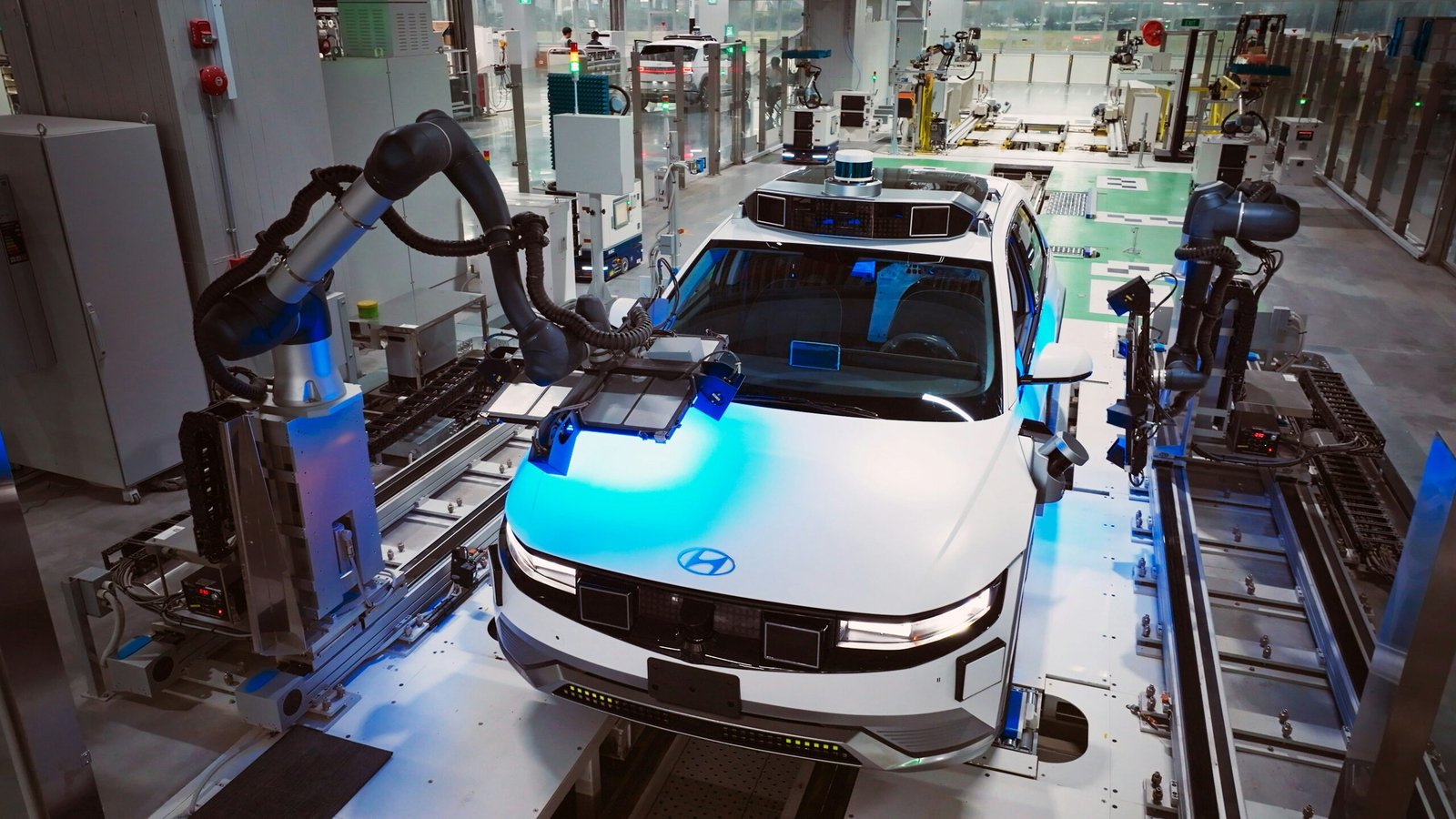
The landscape of assembly line design is rapidly evolving, primarily driven by advancements in generative artificial intelligence (AI). As businesses increasingly adopt generative AI technologies, several key trends are emerging that are set to reshape the manufacturing sector. One prominent trend is the integration of AI with other technologies, such as the Internet of Things (IoT) and robotics. This synergy creates intelligent assembly lines that can autonomously optimize processes, resulting in enhanced efficiency and reduced waste.
As generative AI continues to permeate assembly line design, workforce training will become paramount. Employees must acquire new skills to operate in an environment increasingly characterized by automated systems. Companies will need to invest in upskilling their workforce, ensuring that staff are adept at not only utilizing these advanced technologies but also interpreting the data generated by them. This transition represents a significant change in skill requirements, emphasizing the importance of continuous learning in a rapidly changing technological landscape.
Additionally, ethical considerations surrounding job displacement should be at the forefront of discussions related to implementing generative AI. While automation may lead to increased productivity, it also poses the risk of displacing traditional manufacturing jobs. Companies need to devise strategies that balance technological advancement with social responsibility, such as creating new job opportunities in AI maintenance or development, as well as implementing support systems for workers transitioning to different roles.
In considering future trends, organizations must remain agile and adaptable. By proactively anticipating changes in technology and workforce dynamics, companies can position themselves for sustainable growth in the evolving manufacturing industry. Leveraging generative AI presents an opportunity to not only enhance operational capabilities but also maintain competitiveness in a rapidly advancing market.