









Understanding Generative AI in Design
Generative Artificial Intelligence (AI) represents a revolutionary approach within the realm of design, particularly by facilitating complex processes that were traditionally time-consuming and resource-intensive. At its core, generative AI employs algorithms that leverage computational power to generate design solutions based on predefined parameters provided by the user. This methodology aligns with modern design practices, where rapid iteration and innovation are crucial.
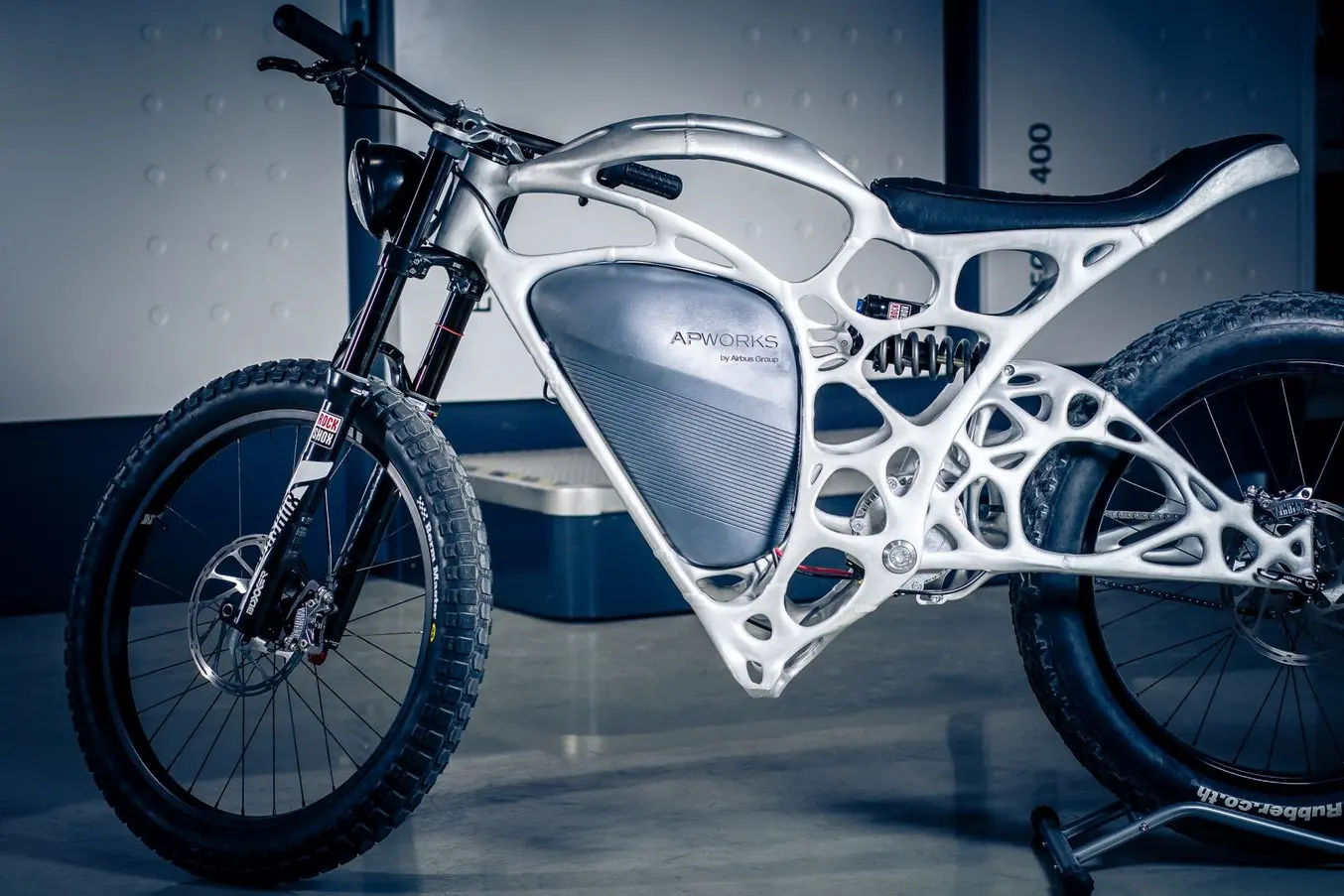
The functionality of generative algorithms is grounded in principles of machine learning and optimization. By analyzing existing datasets and design models, these algorithms can predict and suggest viable options for new designs. The process typically starts by defining specific constraints and goals—such as material usage, performance requirements, and spatial limitations. The generative design software then explores a multitude of permutations within these parameters, providing designers and engineers with alternatives that may not have been initially considered. This can lead to enhanced efficiency, novel aesthetics, and improved performance in the final product.
Several tools exist in the market that embody the capabilities of generative AI in design. Notable examples include Autodesk’s Fusion 360 and Rhino’s Grasshopper, which provide intuitive interfaces for users to interact with generative algorithms. These tools have democratized access to advanced design methodologies, allowing both experienced engineers and novices to harness the power of AI-driven design. Furthermore, collaborative platforms have emerged that integrate these technologies with real-time feedback, fostering an environment where creativity meets computational capacity.
Understanding generative AI is essential for professionals in design fields as it influences the evolution of parts design. By grasping its underlying principles and available tools, designers can leverage these advancements to produce innovative and efficient designs that meet contemporary demands.
Benefits of Generative AI in Parts Design
The incorporation of generative AI in parts design represents a significant advancement in the engineering and manufacturing sectors. One of the primary benefits of adopting generative AI is the improved efficiency it brings to the creation of complex geometries. Traditional design processes can often be time-consuming, particularly when attempting to design intricate components. Generative AI can analyze numerous design parameters rapidly, enabling engineers to produce innovative designs that meet performance specifications in a fraction of the time.
Moreover, generative AI markedly optimizes material usage. By calculating the most efficient geometries that maintain product integrity, companies can significantly reduce waste, which consequently leads to cost savings. This optimization extends not only to the materials used but also to overall production expenses, as less material consumption translates to lower costs in manufacturing and logistics.
Another compelling advantage of generative AI is its capacity for enhancing innovation within parts design. The technology allows designers to explore unconventional designs that may not typically be considered through traditional methods. By analyzing vast datasets and learning from existing designs, generative AI can propose unique solutions that push the boundaries of conventional engineering practices. For instance, designs that may seem impractical at first glance could prove to offer superior performance when subjected to generative exploration.
Additionally, the iterative design process benefits significantly from generative AI. Designers can produce, test, and refine multiple prototypes in a dramatically shorter time frame. This acceleration facilitates rapid experimentation and enhances the ability to respond to feedback promptly, ultimately leading to improved product outcomes. Real-world examples demonstrate the transformative effects of generative AI in the design processes of various companies, illustrating how it fundamentally reshapes the landscape of parts design and manufacturing.
Challenges and Limitations of Generative AI in Parts Design
Generative AI has the potential to revolutionize parts design, yet various challenges and limitations must be addressed for its successful implementation. One notable concern is the reliability of AI-generated designs. While generative algorithms can produce innovative solutions, the accuracy and practicality of these designs often depend on the quality of input data and algorithms used. Designers must critically evaluate AI outputs to ensure they meet performance requirements and safety standards, which can lead to skepticism regarding the dependability of AI in design processes.
Another significant limitation is the substantial computing resources needed for running generative AI models effectively. Advanced algorithms, particularly those involving complex simulations or optimizations, can require high-performance computing infrastructure, which may not be accessible to all organizations. This necessity places a financial burden on smaller firms, potentially widening the gap between companies that can afford these technologies and those that cannot, thereby creating industry inequality.
Resistance from traditional design methodologies poses an additional barrier to the adoption of generative AI. Many engineers and designers are accustomed to established practices and may be hesitant to transition to AI-assisted approaches. Concerns about the loss of creative control, a decrease in craftsmanship, and the fear of becoming overly reliant on technology can hinder the integration of AI into existing workflows. To mitigate this resistance, organizations need to foster a culture of collaboration between AI solutions and human expertise, emphasizing the complementary nature of both.
Lastly, a skilled personnel shortage highlights another challenge in effectively leveraging generative AI. Interpreting AI-generated designs and implementing them successfully requires a deep understanding of both the technology and the domain in which it is applied. Organizations must invest in training and development programs to equip their workforce with the necessary skills to navigate this technological landscape effectively. Addressing these challenges will be essential for maximizing the benefits of generative AI in parts design.
Future Trends and Innovations in Parts Design with Generative AI
The incorporation of generative AI into parts design is poised to revolutionize various aspects of engineering and manufacturing. As industries evolve, we are witnessing significant trends that will shape the future. One prominent trend is the integration of real-time data with generative AI. This combination allows for dynamic design adjustments based on immediate feedback from manufacturing processes, enabling designers to optimize products on-the-fly. By leveraging real-time data from sensors or production lines, engineers can adjust parameters like material usage, structural integrity, and production efficiency, ultimately leading to enhanced performance and sustainability.
Furthermore, advancements in machine learning algorithms are facilitating more sophisticated generative AI applications. As these algorithms evolve, they will be able to analyze vast datasets more effectively, drawing insightful conclusions that would otherwise require extensive human intervention. This enhancement will not only expedite the design process but also yield innovative solutions that may not have been conceived through traditional methods. The ability for AI to learn from past designs and outcomes equips it to propose optimized configurations or entirely new designs, effectively pushing the boundaries of parts design.
Automation will also become a significant player in the future landscape of parts design. With the continual improvement of generative AI, engineers may see much of the manual design work automated, freeing up valuable time for creative and strategic tasks. As routine tasks become automated, teams may focus more on complex problem solving and innovative thinking, fostering a culture of continuous improvement. Additionally, advancements in Materials Science may lead to the development of new materials that are specifically designed to work with AI-based design processes. In conclusion, the future of parts design, shaped by generative AI, holds the promise of increased efficiency, innovation, and automation, ultimately transforming the engineering domain.