








Understanding Generative AI in Automotive Design
Generative AI, a concept that has rapidly evolved in recent years, refers to a subset of artificial intelligence capable of producing new content by leveraging existing data. In the context of automotive design, it facilitates the creation of car aesthetics that are not only innovative but also aligned with modern consumer preferences. Generative design utilizes algorithms that apply principles of machine learning and data analysis to explore design possibilities that may not be immediately evident to human designers.
The core functionality of generative design algorithms lies in their ability to analyze vast datasets containing previous designs, consumer feedback, and market trends. By identifying patterns and correlations, these algorithms can suggest novel design solutions that enhance both functionality and aesthetics. For instance, by inputting parameters such as weight reduction, safety standards, and material types, designers can collaborate with generative AI tools to produce optimized vehicle designs that satisfy regulatory and consumer expectations.
Machine learning further augments this process by continuously improving the algorithms based on new data inputs. As generative AI tools accumulate information from past projects, they become increasingly adept at predicting design trends and consumer behaviors. This iterative learning process allows automotive manufacturers to quickly adapt to shifting market demands, ensuring that each new model resonates with buyers. The role of data analysis cannot be understated; it paves the way for more informed decisions and facilitates a design language that speaks to contemporary aesthetics.
In conclusion, the integration of generative AI in automotive design marks a significant advancement, fostering creativity and optimizing aesthetics in ways once thought impossible. As the technology continues to evolve, it promises to reshape the automotive landscape through innovative design solutions that cater to the modern consumer.
Transforming Car Aesthetics with AI Generated Designs
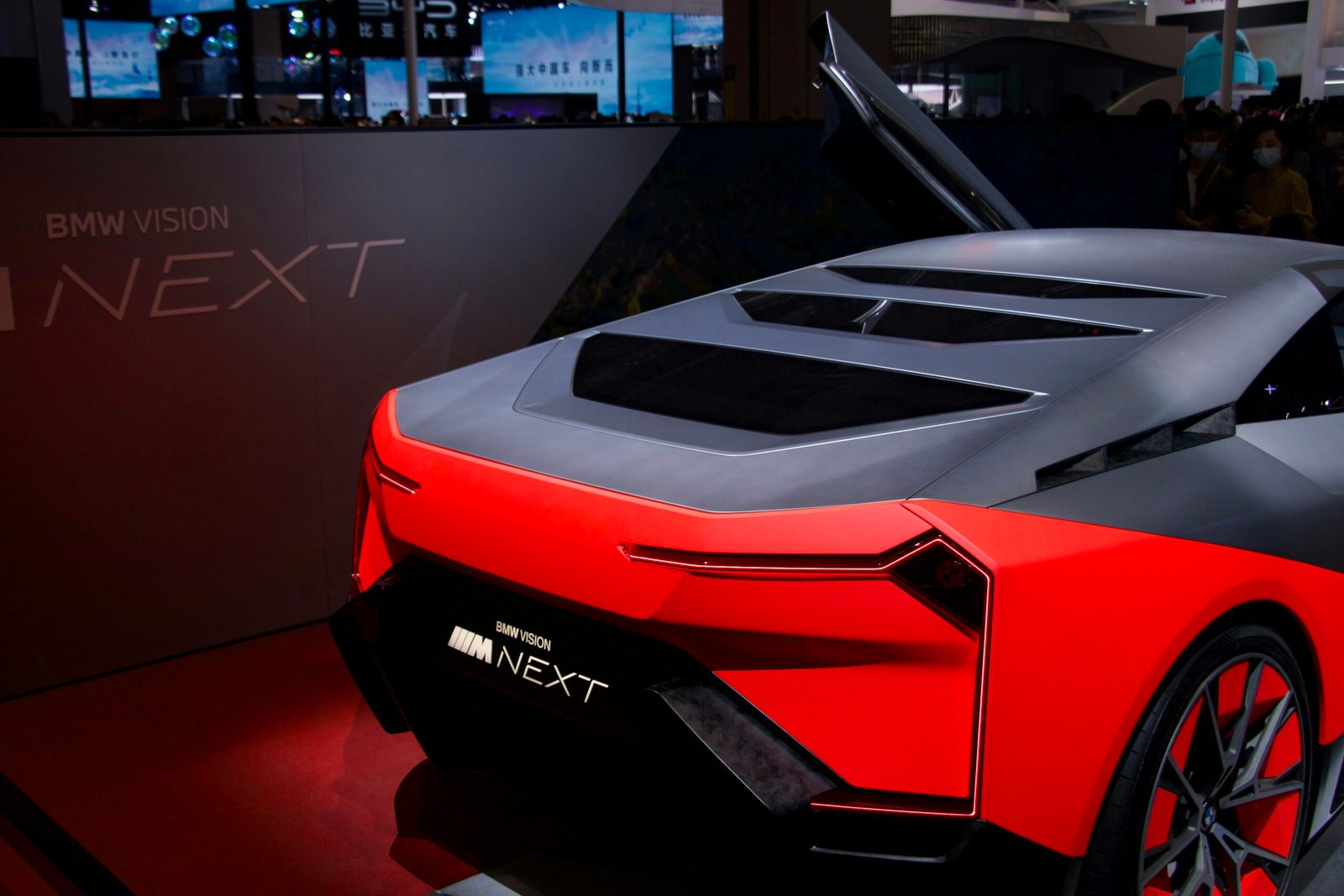
The integration of generative AI into automotive design has ushered in a new era in car aesthetics, redefining how vehicles are conceptualized and visually structured. Traditional design processes often rely heavily on human intuition and artistic creativity, which, while valuable, can sometimes lead to limitations in diversity and innovation. In contrast, generative AI utilizes algorithms to explore vast design possibilities quickly, producing a variety of renderings that often exceed what the human mind can conceive. Leading car manufacturers, such as BMW and Audi, have embraced this technology to push boundaries in vehicle aesthetics.
One notable example is BMW’s “The Ultimate Driving Machine” project, where generative algorithms were employed to create a range of body designs. This initiative explored numerous iterations that highlight different lines, curves, and proportions, presenting a set of visually striking prototypes that stand out compared to traditionally designed counterparts. The results were a more holistic representation of functional beauty, echoing the unique interplay between form and aerodynamics.
Similarly, Audi has collaborated with AI researchers to generate new concept cars. By using predictive models informed by consumer preferences and automotive trends, Audi’s designs reflect not only aesthetic appeal but also market relevancy. The generative designs produced allowed for an exploration of avant-garde shapes and innovative features while maintaining the brand’s identity, demonstrating how AI can complement rather than replace human creativity in the design process.
The visual outcomes of such AI-assisted designs reveal characteristics that may not have surfaced through traditional methodologies. These designs often feature organic forms and surprising geometries, setting them apart within the automotive landscape. With generative AI at the helm of design, car manufacturers are now equipped to delve into uncharted territory, ultimately transforming the aesthetic standards of vehicles for modern consumers.
Consumer Perception and Acceptance of AI-Designed Cars
The emergence of generative AI in the automotive industry has sparked considerable interest regarding consumer perceptions and acceptance of AI-designed cars. The market response to these innovations has been varied, as many consumers weigh the aesthetic qualities produced by artificial intelligence against those developed by traditional human designers. To understand this complex relationship, it is essential to explore the factors that shape consumer opinions, including design novelty, technological trust, and brand loyalty.
Recent surveys indicate that there is a growing acceptance of AI-generated designs among consumers, particularly among younger demographics who perceive generative AI as a tool that enhances creativity. These consumers often express an appreciation for the unique and unconventional aesthetics emerging from AI processes, viewing them as fresh contributions to automotive design. However, there remains a segment of the population that is skeptical of AI’s ability to replicate or surpass the intuitive understanding of form and function that comes from human designers. Concerns often arise regarding the emotional connection to vehicles, as many consumers feel that a car’s aesthetics should be rooted in human insight and experience.
Expert opinions further illustrate the nuances of this acceptance. Industry analysts note that while many automotive brands are incorporating generative design elements, the fusion of AI with traditional design practices results in a more favorable consumer reaction. This hybrid approach seems to alleviate apprehensions regarding AI aesthetics. Furthermore, branding plays a crucial role; consumers are more likely to embrace AI-generated designs from established manufacturers with a history of quality and design excellence. As consumers continue to engage with generative AI in automotive design, it remains pivotal to monitor shifts in perception, as they may ultimately influence the future direction of car aesthetics in the market.
The Future of Car Aesthetics: AI and Beyond
The future of car aesthetics is poised to be dramatically influenced by advancements in generative AI technologies. As design software evolves, it is expected to offer unprecedented capabilities in creating visually stunning and innovative vehicle designs. Generative AI can analyze vast amounts of data to identify emerging trends and styles, ultimately enabling designers to push the boundaries of automotive aesthetics further than ever before. This technology facilitates the exploration of more daring and unconventional designs that could resonate with diverse consumer preferences.
Moreover, real-time customization of vehicles could become a practical reality, which would allow consumers to participate actively in the design process. With the help of generative AI, potential buyers might be able to visualize different aesthetic options instantly, making choices based on personal taste and lifestyle factors. This shift would not only enhance user satisfaction but also foster a stronger connection between consumers and their vehicles, resulting in a more tailored automotive experience.
In parallel, generative AI holds the potential to advance eco-friendly design choices. By analyzing sustainable materials and efficient manufacturing processes, AI can suggest innovative solutions that minimize environmental impact. This integration of design and sustainability aligns with the growing consumer demand for environmentally responsible products. As a result, car manufacturers may increasingly prioritize not only how vehicles look but also the ecological consequences of their design decisions.
However, the integration of AI in car aesthetics raises ethical considerations surrounding the balance between human creativity and technological innovation. While generative AI can enhance the creative process, it is crucial to ensure that human designers remain at the forefront of decision-making, as their intuition and emotional understanding are irreplaceable. This partnership between AI and human creativity will define the future landscape of car aesthetics, fostering an era where technology complements rather than replaces artistic expression.