









Understanding Solar Energy Basics
Solar energy is a form of renewable energy that harnesses sunlight to generate electricity or heat. As one of the most abundant energy sources available, solar energy plays a crucial role in combating climate change and reducing dependence on fossil fuels. By converting sunlight into usable energy, solar technology offers a sustainable alternative to traditional energy sources, which often contribute to environmental degradation and greenhouse gas emissions.
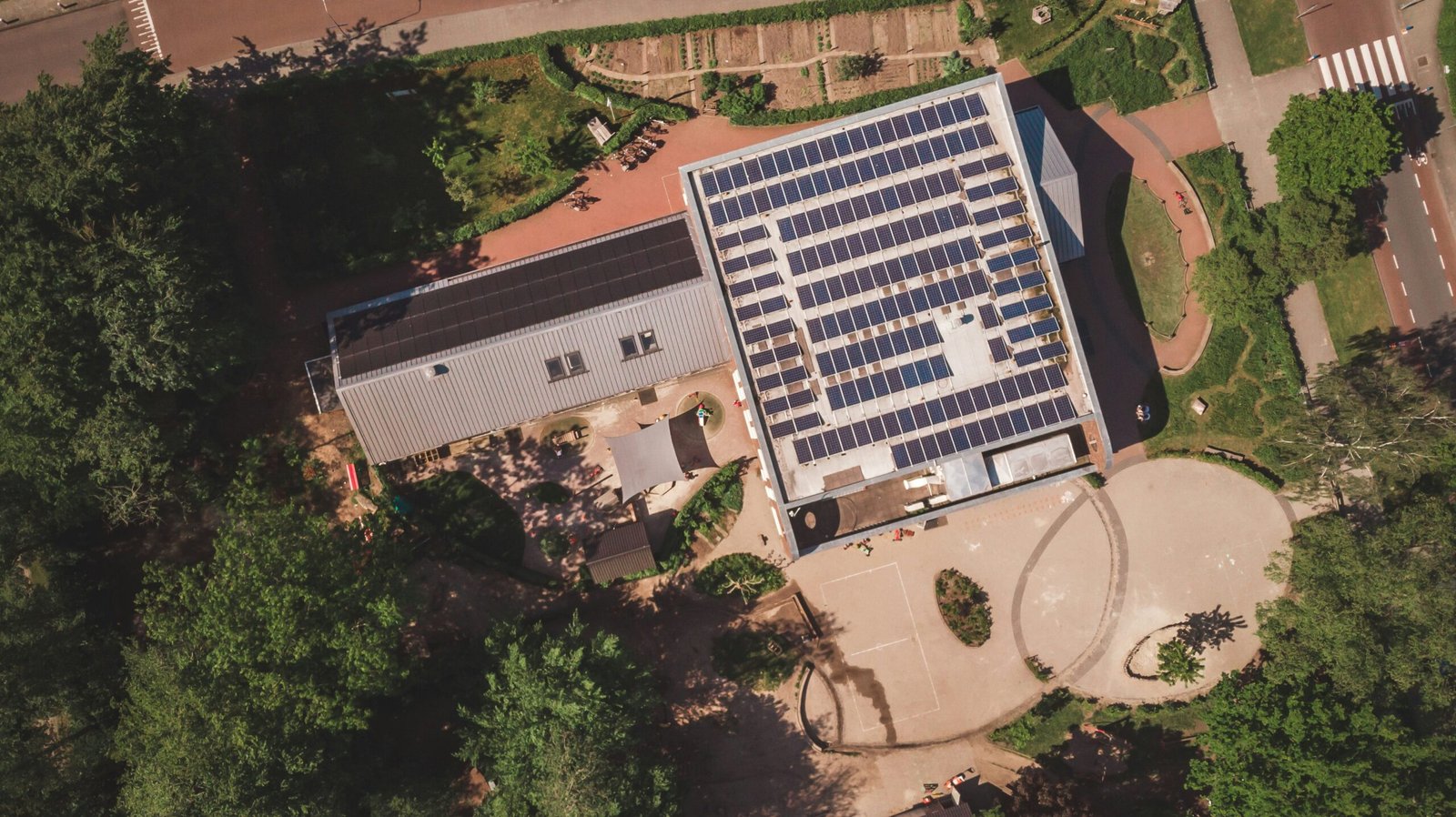
There are two primary types of solar technology: photovoltaic (PV) panels and solar thermal systems. Photovoltaic panels convert sunlight directly into electricity using semiconductor materials. When sunlight hits the panels, electrons are knocked loose, creating an electric current. This technology is widely used in residential and commercial applications, ranging from small rooftop installations to large solar farms, efficiently tapping into the sun’s energy potential. On the other hand, solar thermal systems capture sunlight to heat fluids, which can then be used for residential hot water systems or to produce steam that drives turbines for electricity generation. Both technologies exemplify how solar energy can be utilized in various applications, enhancing energy accessibility and efficiency.
The environmental benefits of using solar energy are significant. By harnessing the power of the sun, individuals and businesses can decrease their carbon footprints, help reduce air pollution, and conserve natural resources. Additionally, solar energy systems require minimal maintenance and have a long lifespan, contributing to their appeal as a viable energy solution. As concerns over climate change and the depletion of non-renewable resources continue to grow, the importance of adopting solar energy solutions becomes ever more critical. Embracing solar technology not only supports a cleaner environment but also promotes energy independence and security for communities worldwide.
DIY Solar Projects: Options and Materials
As the interest in renewable energy continues to grow, DIY solar projects offer individuals an opportunity to harness the power of the sun while reducing energy costs. There are a variety of solar projects that can be tailored to different skills and budgets. Here are some options that one can consider:
One popular project is the solar charger for small devices. This project usually requires a small solar panel (approximately 5 to 20 watts), a charge controller, and a USB port for charging devices. The estimated cost for materials generally ranges from $50 to $100. The primary benefit of this DIY solar charger is its portability; users can charge their gadgets while camping, hiking, or during power outages.
For those looking for more extensive projects, building a solar water heater is an attractive option. This setup typically involves solar thermal collectors, pipes, insulation materials, and a water storage tank. The total material costs can vary greatly but typically fall between $200 to $600 depending on the size of the system. A solar water heater can significantly reduce reliance on traditional heating methods, creating substantial savings in energy bills over time.
Another engaging project is installing solar panels for home energy use. This project requires solar photovoltaic panels, an inverter, mounting hardware, and electrical wiring. The price for materials can be higher, ranging from $1,000 to $5,000 depending on the scale of the installation. However, this investment pays off through lower electricity costs and potential tax credits.
When embarking on a DIY solar project, it is crucial to assess one’s technical abilities and knowledge of electrical systems. Safety should always be a priority, and local regulations and codes must be adhered to. By choosing an appropriate project, one can effectively contribute to a more sustainable future while enjoying the benefits of solar energy.
Installation Process: Step-by-Step Guide
Embarking on a DIY solar energy project requires careful planning and execution. A well-structured installation process can make the transition to solar power efficient and rewarding. The first step is site preparation. Choose a location that receives maximum sunlight throughout the day while considering potential obstructions, such as trees and buildings. It is advisable to perform a shade analysis to determine the optimal panel position, ensuring maximum efficiency.
After identifying the location, next comes the installation of the solar panels. Begin by mounting the solar panels onto the chosen structure, either rooftop or ground-mounted systems. Ensure that the mounting brackets are securely fastened and properly angled to capture sunlight effectively. The angle may vary based on geographical location and seasonal sunlight patterns. Typically, a tilt angle between 30 to 45 degrees is recommended for optimal solar energy collection.
Wiring is a crucial aspect of the installation process. Connect the solar panels using the appropriate wiring gauge to minimize energy loss. Be sure to follow the manufacturer’s guidelines regarding wire connections. After wiring the panels, it’s essential to install an inverter, which will convert the generated direct current (DC) into alternating current (AC) for household use. The inverter should be placed in a cool, shaded area to ensure efficient operation.
Safety measures should be a priority throughout the installation. Always use personal protective equipment, such as gloves and goggles. When working with electrical components, turn off all applicable power sources to prevent accidents. Additionally, familiarize yourself with local building regulations and permit requirements to ensure compliance during your solar installation project. Following these steps will facilitate a safe and successful transition to solar energy, providing long-term benefits for your home.
Maintenance and Optimization of Solar Systems
Maintaining a DIY solar energy system is crucial for ensuring its longevity and maximizing efficiency. Regular maintenance tasks can significantly enhance the overall performance of solar panels, converters, and batteries. One of the primary tasks is to keep solar panels clean, as dirt and debris can reduce their ability to capture sunlight. A simple wash with water and a soft brush several times a year can help maintain optimal performance levels.
Furthermore, it is vital to periodically inspect the system for any signs of wear or damage. Check the wiring, inverter, and battery bank for degradation or corrosion. If the system experiences unusual fluctuations in energy output, it might be indicative of underlying issues that require immediate attention. Regular visual inspections can often identify small problems before they escalate into significant failures.
Another effective strategy for optimization involves assessing your energy consumption patterns. By analyzing the times of day when your energy needs are the highest, you can adjust appliance usage to coincide with periods of peak solar energy production. This adjustment can lead to more effective use of the energy generated, thereby reducing reliance on grid power.
Monitoring systems play a vital role in tracking the output and efficiency of your solar setup. Utilizing software or apps designed to monitor solar energy systems can provide real-time data on energy production, allowing users to identify any fluctuations and take corrective measures promptly. Such monitoring tools can highlight performance trends over time, enabling you to make informed decisions regarding energy consumption and maximize savings.
In conclusion, diligent maintenance and proactive optimization strategies can significantly enhance the performance and lifespan of your DIY solar energy system, ensuring that you harness the sun’s power effectively for years to come.