










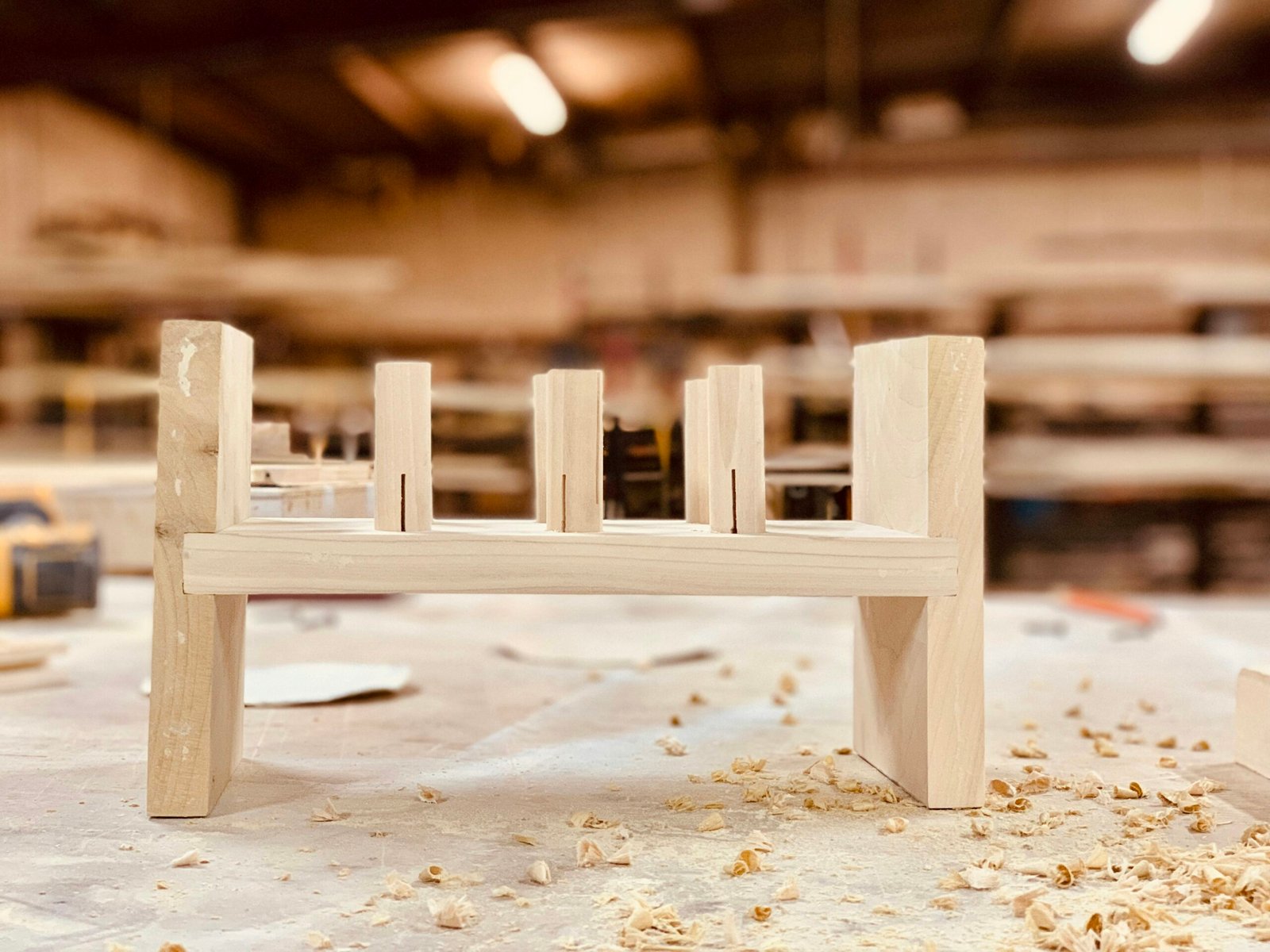
The Importance of Sustainability in Furniture Building
The environmental impact of traditional furniture manufacturing is profound and multifaceted. Conventional methods often rely on the exploitation of finite resources, leading to substantial depletion of natural materials. Wood, as a key component in furniture production, is increasingly sourced from forests that are facing severe threats of deforestation. This not only diminishes biodiversity but also disrupts entire ecosystems, highlighting the urgent necessity for a shift towards sustainable practices.
One of the critical elements in the discussion of sustainability is the carbon footprint linked with mass furniture production. Large-scale manufacturing processes tend to emit significant greenhouse gases, contributing to climate change. In contrast, opting for sustainable DIY furniture allows individuals to minimize this impact. By choosing reclaimed or responsibly sourced materials, one can dramatically reduce the environmental toll of creating furniture items. This approach not only conserves resources but also decreases dependence on manufacturing processes that are detrimental to our planet.
Sustainable furniture building embodies a dual philosophy: it promotes eco-friendliness while fostering a sense of personal connection to the craftsmanship involved. Each piece created through DIY methods can reflect the creator’s individuality and artistic vision. As crafters engage with natural materials, they cultivate an appreciation for the inherent qualities of wood and other sustainable elements, enhancing their understanding of both the product and the planet. This engagement produces not only unique furniture but also a tangible reflection of the values embraced by the maker regarding sustainability and environmental stewardship.
Ultimately, the significance of sustainability in furniture building extends beyond personal benefit; it serves as a crucial component of a larger movement towards ecological responsibility. By choosing sustainable practices, individuals contribute to reducing waste and promoting a healthier environment, paving the way for future generations to enjoy the beauty of responsibly crafted furniture.
Materials for Sustainable Furniture: Choosing Wisely
When embarking on DIY furniture projects, the selection of materials is a crucial step that can significantly impact both the environment and the longevity of the finished product. Opting for sustainable materials not only reduces the ecological footprint of your creations but also supports a circular economy. Among the most favored options are reclaimed wood, bamboo, and sustainably sourced hardwoods. Each of these materials offers unique benefits.
Reclaimed wood is sourced from previously used structures, such as old barns or warehouses, thereby keeping it out of landfills. This practice not only preserves the character and history of the wood but also minimizes the demand for new lumber. Additionally, utilizing reclaimed materials reduces the environmental impact associated with logging, such as habitat destruction and carbon emissions. Similarly, bamboo has gained popularity as a sustainable option due to its rapid growth cycle and renewability. It can be harvested every three to five years without causing permanent damage to the plant, making it an exceptionally eco-friendly choice.
Furthermore, sustainably sourced hardwoods, certified by organizations such as the Forest Stewardship Council (FSC), ensure that the timber used meets stringent environmental and social standards. These woods maintain diversity in forest ecosystems and contribute to responsible forest management practices.
In addition to wood-based options, recycled metals and biodegradable composites provide appealing alternatives for those looking to minimize their environmental impact. Recycled metal, such as aluminum steel, can be repurposed multiple times without losing quality, thus offering an effective way to reduce resource consumption. Biodegradable composites, made from natural fibers and resins, are also emerging as innovative materials that can reduce reliance on traditional plastics.
To source these sustainable materials, consider local options such as salvage yards, woodworking shops, or community marketplaces. By prioritizing local suppliers, you can reduce transportation emissions while supporting your community and ensuring ethically sourced materials for your DIY projects.
DIY Furniture Projects: Step-by-Step Guides
Creating sustainable DIY furniture is an enriching experience that allows individuals to both customize their living space and promote eco-friendly practices. Below is a selection of sustainable furniture projects, each accompanied by clear instructions and innovative tips. These projects cater to varying skill levels, ensuring that beginners and seasoned builders alike can find something suitable.
One of the most accessible projects is the upcycled wooden crate bookshelf. Begin by sourcing old wooden crates, ensuring they are free from harmful chemicals. Clean and sand the crates to avoid splinters. Stack them in your desired configuration and secure them together for stability. This project not only creates stylish storage but also gives new life to discarded materials, reducing waste.
For those seeking a more advanced venture, constructing a pallet sofa can be an excellent option. First, gather several wooden pallets that are in good condition. Sand them down to create a smooth finish and assemble the pallets into a sofa shape, attaching them with screws for durability. To further enhance the comfort and aesthetic, add cushions made from recycled fabric. This project exemplifies the creativity involved in turning simple materials into functional furniture.
Another noteworthy project is the repurposing of an old door into a dining table. Select a solid, flat door and clean it thoroughly. Next, by adding pairs of wooden legs or upcycled furniture legs, you can transform the door into a stylish table. Finish by applying a sustainable wood finish to enhance the door’s natural beauty while protecting the surface. This creative use of an old item exemplifies how practical and sustainable DIY furniture can be.
These projects are only a few examples of how individuals can explore sustainable craftsmanship. Emphasizing the use of reclaimed materials and eco-friendly techniques not only benefits the planet but also encourages creativity and personal expression within home decor.
Maintenance and Longevity: Caring for Your Sustainable Furniture
Maintaining DIY sustainable furniture is essential to ensuring its longevity and minimizing the environmental impact associated with replacements. Sustainable materials, when cared for properly, can last for generations, providing users with enduring beauty and functionality. Different materials require specific care techniques, emphasizing the need to understand the characteristics of your furniture.
For wooden furniture, selecting appropriate finishes is crucial. Natural oils such as tung or linseed oil not only enhance the wood’s natural beauty but also offer a protective layer against moisture and dirt. Regularly applying these oils can help prevent dryness and cracking. Additionally, using a soft cloth to clean surfaces rather than abrasive materials is recommended, as it helps to maintain the finish without causing scratches. When dealing with spills, prompt cleaning with a mild soap solution will prevent water damage.
For upholstered pieces, regular vacuuming is essential to remove dust and debris that can cause wear over time. Spot cleaning with eco-friendly products, such as vinegar and water solutions, can tackle stains effectively without the harm of harsh chemicals. It is advisable to rotate cushions and pillows periodically to ensure even wear and prolong their life.
Preventative measures, such as using coasters, placemats, and furniture pads, can significantly reduce the risk of damage from scratches and heat. Furthermore, fostering a mindset that emphasizes repair and customization over replacement is vital. Should your furniture sustain damage, consider upcycling techniques or minor repairs that can rejuvenate its appearance and functionality, reinforcing the spirit of sustainability.
By adopting these maintenance practices, you not only protect your investment but also contribute to a sustainable lifestyle that values craftsmanship and the longevity of handmade pieces. Embracing this ethos ultimately cultivates a deeper appreciation for the furniture you have created, supporting a greener future for our planet.