










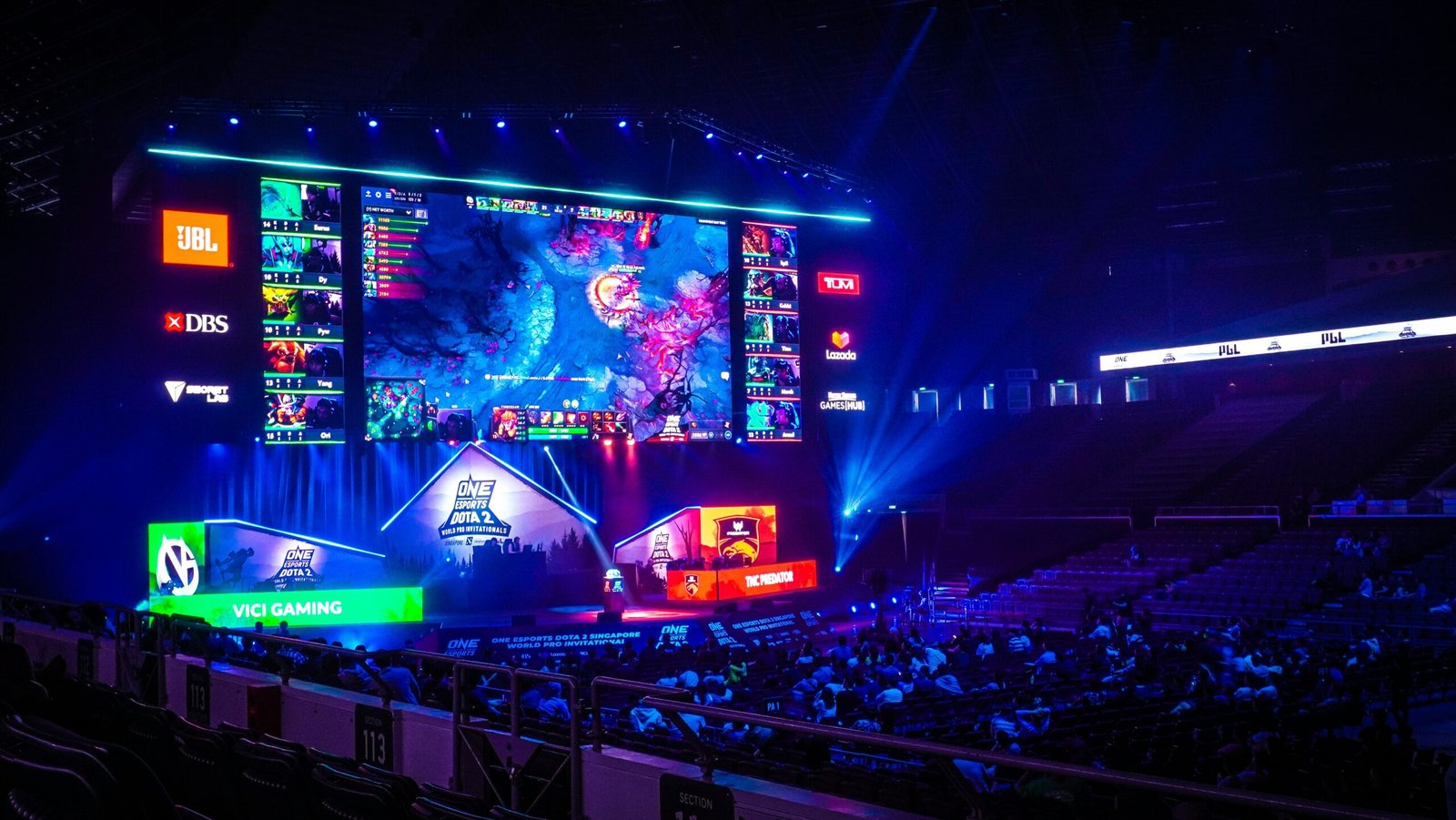
Introduction to Esports Audience Trends
The phenomenon of esports has transcended niche gaming culture to establish itself as a formidable player in the global entertainment industry. Defined as competitive video gaming, esports encompasses not only organized tournaments but also streaming platforms that allow millions to watch games in real-time. The evolution of this sector can be traced back to the early tournaments of the 1970s and 1980s, but it has accelerated rapidly in recent years, becoming a cultural and economic powerhouse.
Understanding the trends in esports audiences is critical for stakeholders, including marketers, event organizers, and game developers. Demographically, esports has attracted a diverse audience composed of various ages, genders, and nationalities. Recent studies indicate that nearly half of the esports audience is aged between 18 and 34, illustrating the youthful allure of competitive gaming. However, a significant portion of viewers outside this age group also contributes to the growing viewer base. The audience is not limited to any specific gender; the presence of female gamers and viewers continues to rise, highlighting the inclusive nature of the esports landscape.
Geographically, esports viewership spans across continents, with substantial growth observed in regions such as North America, Europe, and Asia-Pacific. In Asia, particularly, esports has garnered immense popularity, contributing to a thriving ecosystem of tournaments and viewership. Statistics show that billions of dollars in revenue are generated through sponsorships, advertising, and merchandise sales, signifying the commercial viability of the industry.
Furthermore, the growth of digital platforms and social media has provided unparalleled opportunities for fan engagement. Viewers can now easily access live streaming events, participate in discussions, and consume content tailored to their interests. It is essential to recognize and analyze these audience trends, as they not only reflect the current landscape but also inform future strategies for maximizing the reach and impact of esports globally.
Demographic Analysis of Esports Viewers
The demographic composition of esports audiences has evolved significantly, reflecting broader cultural trends and shifts in media consumption. In particular, age, gender, and geographical location are crucial factors in understanding who engages with esports content. Recent studies indicate that younger audiences dominate the esports landscape, with individuals aged 18 to 34 accounting for a majority of viewership. This trend highlights not only the appeal of competitive gaming to Millennials and Gen Z but also the evolving nature of entertainment preferences in a digital era where traditional sports may hold less allure for these age groups.
In terms of gender representation, there has been a notable increase in female viewers, challenging the long-standing perception that esports is predominantly a male-centric domain. Recent data suggest that female participation in both viewership and competitive gaming is on the rise, with women now constituting a significant portion of the audience. This demographic shift underscores the need for inclusivity in esports and points to an expanding market that brands and advertisers cannot afford to overlook.
Geographically, the engagement in esports varies considerably, shaped by regional cultures and internet accessibility. North America and Europe have long been established markets, but Asia-Pacific continues to lead in terms of audience size and engagement levels, propelled by countries like China and South Korea. Furthermore, emerging markets in Latin America and the Middle East are witnessing rapid growth in esports viewership, driven by improving digital infrastructure and increased investment in esports leagues and tournaments.
The combination of these demographic factors illustrates a dynamic landscape where the composition of esports viewers is becoming increasingly diverse and multifaceted. The rise of younger audiences, increasing female representation, and varying regional interests highlight the need for adaptive strategies by companies aiming to engage effectively with esports enthusiasts. Understanding these demographics will not only guide marketing efforts but also shape the future of content creation in the esports industry.
Viewing Preferences and Platforms
The landscape of esports viewership has evolved significantly in recent years, shaped by the preferences of diverse global audiences. A predominant platform for esports consumption is Twitch, known for its interactive features and live streaming capabilities. Twitch offers viewers not only the opportunity to watch live matches but also to engage with streamers and fellow fans through real-time chat. This sense of community has made it a preferred choice for many esports enthusiasts. YouTube, another major player, caters to those who prefer recorded content, highlights, and tutorials, demonstrating that audiences have distinct preferences for different types of content.
When examining the types of content consumed, live streams lead in popularity due to their immersive experience, but a significant portion of the audience also enjoys highlights and recorded matches. These formats allow fans to catch up on key moments they might have missed live, contributing to a more flexible viewing experience. Recent studies indicate an increasing trend toward on-demand content, reflecting broader shifts in media consumption habits. Furthermore, the rise of social media as a promotional tool has influenced viewer habits significantly. Platforms like Twitter and Instagram serve as conduits for updates, event announcements, and clips, enhancing audience engagement even outside traditional viewing platforms.
The timing of viewership is also noteworthy; peak viewing hours often coincide with major esports events and tournaments, indicating a keen interest in high-stakes competition. The intertwining of live events and social media amplifies this effect, as fans often gather online to watch together, sharing experiences and reactions. In this collaborative atmosphere, audience interactivity plays a vital role—viewers can participate in polls, discussions, and chat alongside the action. This dynamic enhances the overall viewing experience, making it more than just passive consumption. The trends in viewing preferences highlight a complex interplay between the platforms used, the types of content consumed, and the active participation of the audience in the esports ecosystem.
Future Trends and Predictions for Esports Audiences
As the landscape of entertainment continues to evolve, the esports audience is poised for significant transformation over the next few years. One of the most notable trends is the integration of emerging technologies such as Virtual Reality (VR) and Augmented Reality (AR). These innovations promise to enhance the viewing experience by creating immersive environments that allow audiences to engage with their favorite games and players like never before. This shift towards more interactive experiences is expected to attract younger demographics, who are increasingly inclined towards engaging with content in more dynamic ways.
Moreover, the expansion into new markets holds great potential for esports. Regions such as South America and Africa are witnessing a rise in gaming popularity, providing fertile ground for growth. International esports organizations are beginning to tap into these emerging markets, looking to create localized content that resonates with diverse audiences. This not only broadens the viewer base but also fosters a stronger sense of community among gamers from various backgrounds.
Shifts in audience engagement strategies will also significantly shape the future of esports audiences. Platforms for streaming and interaction are becoming increasingly social, offering viewers the ability to communicate not just with each other but also with players in real-time. Social media platforms are adapting their features to enhance fan experiences, reinforcing the connection between viewers and the esports ecosystem. Additionally, personalized content delivery, driven by algorithmic recommendations, will allow fans to tailor their viewing experiences, encouraging longer engagement times.
In summary, the future of esports audiences is likely to be characterized by technological advancements, broadening geographical reach, and enhanced interactivity. These trends, combined with ongoing innovations in audience engagement, will position the esports industry well within the competitive entertainment market, ensuring its sustained growth and evolution.