








Understanding Generative AI in Product Design
Generative AI refers to a branch of artificial intelligence that uses algorithms to generate new content based on existing data. Within the context of product design, generative AI plays a crucial role in reshaping how designers approach the creation of products. By harnessing the power of machine learning and computational algorithms, generative AI can create complex and innovative design solutions that may not be immediately obvious to human designers.
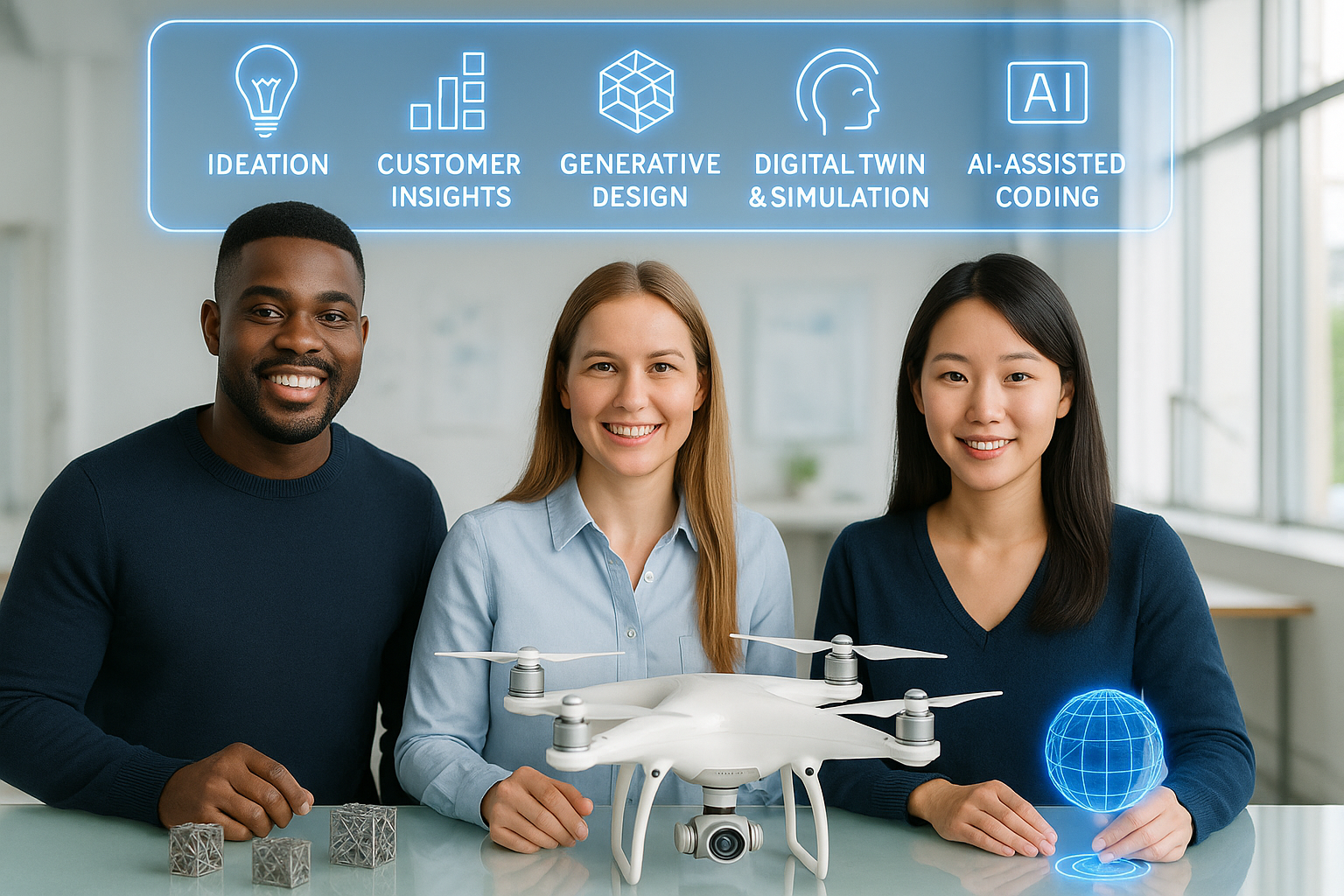
At its core, generative AI operates by using a combination of input parameters and learned patterns from vast amounts of data. These algorithms analyze established design principles and trends, allowing them to suggest novel concepts that align with specific criteria. For instance, a designer might input parameters such as material properties, production constraints, and aesthetic preferences, and the generative algorithm would provide multiple design options that meet these requirements. This capability significantly enhances the creative process, enabling exploration of diverse and potentially unimagined design avenues.
The relevance of generative AI in product design is further emphasized by its ability to streamline workflows. Traditional design processes often involve extensive iteration and refinement, which can be time-consuming. Generative AI automates parts of this process, allowing designers to assess multiple iterations rapidly and accurately, ultimately reducing time-to-market. Various tools, such as Autodesk’s Fusion 360 or Siemens’ NX software, epitomize this innovation. These platforms utilize generative design algorithms that assist designers in optimizing products for performance, manufacturability, and sustainability.
As generative AI continues to evolve, it challenges conventional design paradigms, integrating the art of design with advanced technological capabilities. By embracing these innovative solutions, product designers can not only enhance their creativity but also improve efficiency, which could lead to more sustainable and user-centered design outcomes.
The Advantages of Generative AI for Designers
Generative AI has emerged as a transformative force in the field of product design, providing designers with a plethora of advantages that facilitate enhanced creativity and efficiency. One of the most significant benefits of this technology is its ability to generate a wide array of design possibilities. By utilizing algorithms and large datasets, generative AI can analyze existing design parameters and produce innovative solutions that might not have been conceived through traditional design processes. This creative expansion empowers designers to explore new ideas and embrace unconventional approaches, ultimately leading to more innovative products.
Speed is another critical advantage offered by generative AI in the product design lifecycle. Traditional prototyping often consumes substantial time and resources; however, generative AI streamlines this process significantly. With rapid design iterations and simulations, designers can quickly assess the viability of concepts and eliminate options that do not meet project criteria. This swift prototyping not only accelerates the design process but also enhances collaboration among team members, as stakeholders can visualize ideas sooner and provide feedback in real time.
In addition to boosting creativity and efficiency, generative AI assists designers in making data-informed decisions. By analyzing user data, market trends, and performance metrics, generative AI provides insights that guide the design process. This informed decision-making reduces the risk associated with product development and helps in optimizing designs for target audiences. Cost reduction is another tangible benefit, as generative AI minimizes material waste through optimized designs, ensuring that resources are allocated effectively during production.
Several industry case studies have illustrated the successful implementation of generative AI, showcasing its potential in enhancing product design across various sectors. The combination of improved creativity, faster prototyping, and efficient decision-making exemplifies how generative AI stands as a valuable asset for designers, reshaping the future of product development.
Challenges and Considerations in Employing Generative AI
The integration of generative AI into product design workflows presents several challenges and considerations that must be addressed to ensure efficacy and ethical integrity. One of the primary hurdles is the necessity for designers to become familiar with AI tools. While generative AI can enhance creative processes and expedite design iterations, it requires a certain level of technical understanding. Designers must not only learn how to operate these tools but also grasp their underlying principles to harness their full potential effectively.
Another critical concern is the potential biases embedded in AI algorithms. Generative AI systems are trained on existing datasets, which may contain inherent biases reflective of historical patterns and societal norms. Consequently, the outputs generated may inadvertently perpetuate these biases, leading to products that do not represent diverse user perspectives adequately. Designers need to remain vigilant and proactive in assessing the AI outputs, ensuring that the design reflects inclusivity and equity.
Furthermore, maintaining human oversight throughout the design process is paramount. While generative AI can automate certain aspects of design, human intuition and creativity are irreplaceable. Designers should play an active role in interpreting AI-generated ideas and integrating their expertise to refine and contextualize designs, ensuring that human values and user experience remain at the forefront.
Intellectual property rights pose another significant consideration when using generative AI in product design. As AI tools create new designs, questions arise regarding ownership and copyright. Clear frameworks and guidelines must be established to delineate the boundaries of intellectual property related to AI-generated content, safeguarding the interests of both designers and developers.
Lastly, the ethical implications of incorporating AI into the design process cannot be overlooked. Ethical considerations encompass the potential impact on job displacement, accountability for design outcomes, and the responsible use of AI technologies. As organizations explore generative AI, a balanced perspective acknowledging both the opportunities and challenges will foster a more responsible approach to its adoption in product design.
The Future of Product Design with Generative AI
As we look toward the future of product design, the influence of generative AI is poised to expand significantly, ushering in transformative changes that could redefine the industry. One of the most compelling prospects is the emergence of advanced algorithms that can autonomously generate innovative design concepts based on predetermined parameters. This capability will not only expedite the design process but also enhance creativity by offering alternatives that may not have been conceived through traditional methods.
Moreover, the integration of generative AI with technologies such as augmented reality (AR) and virtual reality (VR) will revolutionize prototyping and user experience testing. Designers will be able to create immersive environments where stakeholders can interact with products in a virtual space before they are manufactured. This intersection of AI and immersive technologies is likely to lead to more informed design decisions, as real-time feedback can be garnered, allowing designers to iterate rapidly and efficiently.
In addition, the emphasis on sustainability is increasingly becoming a central theme in product design. Generative AI can assist designers in exploring eco-friendly materials and processes to minimize waste and carbon footprints. By simulating various environmental impacts, AI-driven tools can help implement designs that are not only innovative but also in alignment with global sustainability goals. This environmental focus will encourage designers to think holistically about their creations and their implications for the planet.
Ultimately, as generative AI continues to evolve, it could redefine the role of designers. Instead of manual creation, designers may shift towards becoming curators and facilitators of AI-generated solutions, guiding and refining outputs while creatively leveraging the capabilities of AI. This transition will necessitate a re-evaluation of skills required in the field, enabling designers to harness AI advancements effectively.