








Introduction to Plant Layout Design
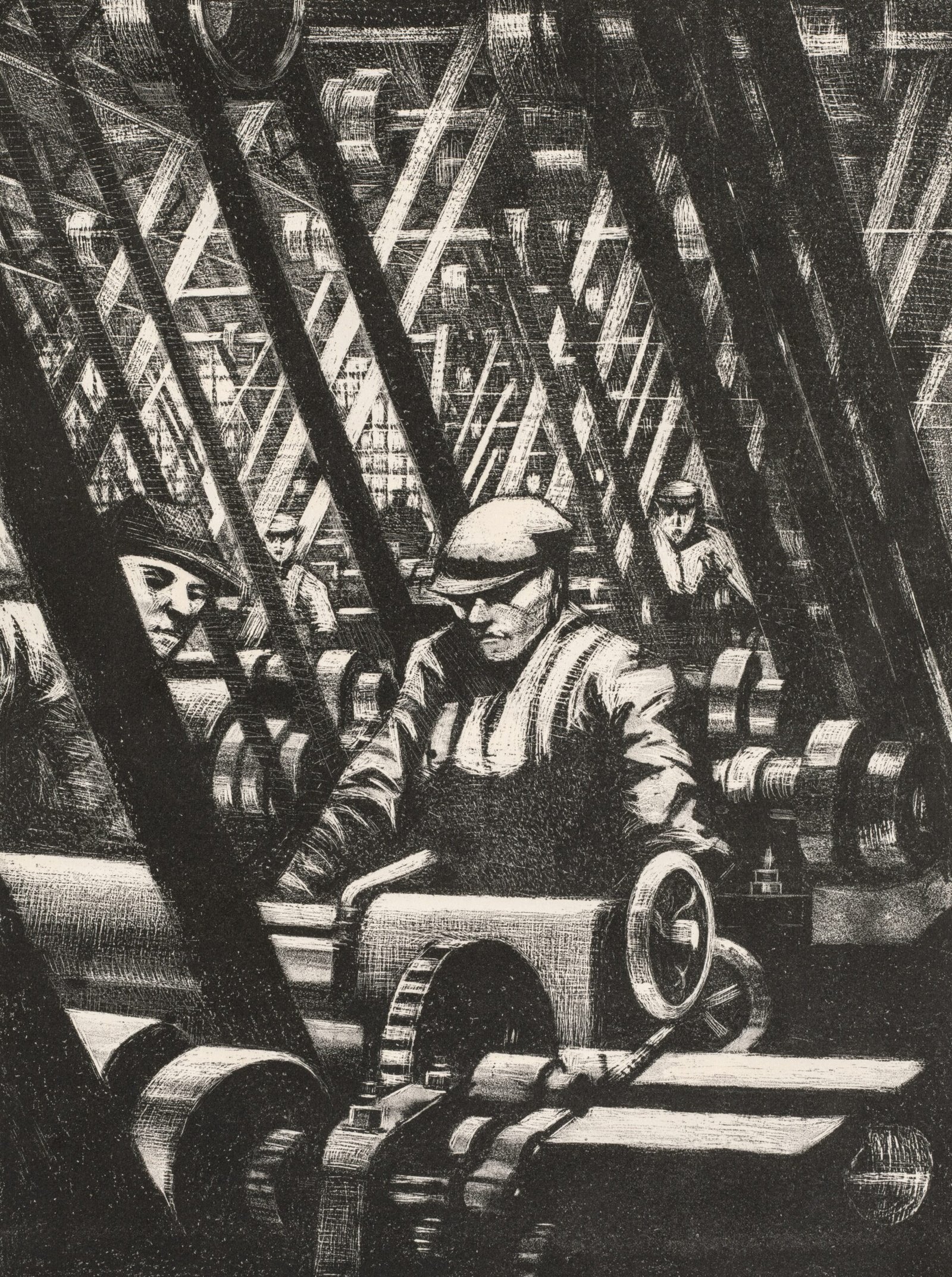
Plant layout design refers to the systematic planning of the physical arrangement of industrial facilities, which incorporates the layout of machines, workstations, and storage areas within a production or manufacturing environment. The significance of effective plant layout design lies in its direct influence on operational efficiency, productivity, and safety in the workplace. By strategically organizing equipment and resources, companies can optimize their workflows and minimize production costs, leading to enhanced competitiveness in the market.
Traditional methodologies for plant layout design often include process layout, product layout, fixed-position layout, and cellular layout. Each of these approaches has its advantages and disadvantages, depending on the specific requirements of a manufacturing process. For instance, process layouts enhance flexibility and adaptability in production, while product layouts facilitate the streamlined manufacturing of high-volume products. Careful consideration of these methodologies allows organizations to select the most suitable layout that fulfills their operational objectives.
Moreover, space planning and resource allocation play crucial roles in plant layout design. Effective utilization of available space can significantly impact workflow efficiency and employee productivity. Proper resource allocation ensures that all necessary tools and materials are readily accessible, thus minimizing delays and enhancing overall operational performance. It is also imperative to consider safety measures within layout design, as a well-organized facility can reduce hazards and create a safer work environment for employees.
Technology has revolutionized the way plant layout design is executed. The introduction of advanced software tools for simulation and modeling allows for more efficient planning and evaluation of different layout scenarios. Moreover, the integration of Generative AI into the design process further enhances capabilities, allowing for optimized layouts that adapt to ever-changing conditions and requirements in the manufacturing landscape.
Understanding Generative AI in Layout Design
Generative AI represents a transformative approach within various fields, including plant layout design. At its core, generative AI refers to a subset of artificial intelligence that utilizes algorithms to create content or solutions autonomously. This process is driven by machine learning, where models are trained on large datasets to identify patterns and produce outputs that align with predefined criteria. In the context of layout design, generative AI can analyze extensive data, including spatial configurations, operational workflows, and resource allocation, to propose optimal arrangement solutions.
The operational mechanics of generative AI involve several key components. Algorithms prevalent in this domain include evolutionary strategies and neural networks, which simulate natural selection processes to iteratively improve design outcomes. These algorithms can quickly evaluate numerous potential designs to ensure that optimal solutions emerge. Machine learning further enhances generative processes, as it enables the system to learn from previous design inputs and outcomes, allowing for increasingly refined and contextually relevant propositions over time.
Data processing is another critical aspect of generative AI. The effectiveness of this technology hinges on the quality and depth of the data utilized. High-quality data allows for more accurate simulations, leading to better design alternatives. For instance, a generative AI system can incorporate various constraints and objectives relevant to the specific layout task at hand, such as maximizing space utilization or improving workflow efficiency.
Real-world applications of generative AI in layout design have demonstrated its efficacy. Numerous case studies illustrate successful implementations where AI-generated layouts have reduced project timelines and improved overall efficiency. By facilitating complex problem-solving, generative AI empowers designers to explore a broader range of possibilities than traditional methods would allow, ultimately driving innovation in plant layout design.
Benefits of Generative AI in Plant Layout Design
Integrating generative AI into plant layout design projects brings numerous advantages that can significantly enhance overall efficiency and productivity. One of the primary benefits is the remarkable increase in design speed. By utilizing advanced algorithms, generative AI can generate multiple layout configurations in a fraction of the time it would take manual processes. This expedited approach allows teams to focus on strategic decision-making rather than labor-intensive tasks, ensuring faster project completions.
Furthermore, generative AI introduces a new dimension of creativity in layout options. Traditional design methods often limit the range of possibilities to what the human designer can envisage. In contrast, generative AI explores vast design spaces, producing innovative solutions that may not have been considered otherwise. This creative capability allows organizations to discover unique configurations that optimize workflow and enhance operational efficiencies.
Another significant benefit is improved space utilization. Generative AI systems can analyze spatial constraints and operational needs comprehensively, ensuring every square foot of the facility is employed efficiently. This optimal use of space can lead to increased productivity and reduced unnecessary costs associated with wasted real estate. Additionally, integrating generative AI facilitates scenario analysis, allowing stakeholders to simulate various operational scenarios swiftly. By evaluating different configurations against performance metrics, teams can make informed decisions based on quantitative data.
Generative AI also contributes to reducing production costs. Through efficient design iteration and optimization, companies can cut down expenses related to material waste and facility reconfigurations. Moreover, the collaborative nature of generative AI fosters teamwork by presenting multiple viable designs that meet various criteria, encouraging input from diverse team members. In turn, this collaboration can enhance overall project outcomes, ensuring that the final design aligns with capacity, safety, and regulatory standards.
Challenges and Future of Generative AI in Plant Design
The integration of generative AI into plant layout design is not devoid of challenges. One significant issue is the dependency on data quality. Generative AI algorithms rely heavily on accurate and comprehensive datasets to produce effective designs. In many organizations, data may be incomplete, outdated, or poorly structured. This lack of data integrity can hinder the effectiveness of generative AI, potentially leading to suboptimal layout solutions. Enhancing data collection and management processes is thus imperative for the success of AI applications in plant design.
Moreover, the adoption of generative AI requires skilled personnel who are adept at both AI technologies and traditional design principles. There is often a gap in expertise, as many professionals in the industry may not be familiar with the complexities of AI and its applications. To bridge this gap, companies must invest in training and development programs that equip their workforce with the necessary skills to use generative AI effectively. Without adequate training, organizations may struggle to fully leverage the benefits associated with this advanced technology.
The readiness of organizations to embrace new technologies also poses a challenge. Resistance to change is a common barrier in many industries, where stakeholders may be reluctant to alter established processes. The successful implementation of generative AI in plant layout design requires a cultural shift within organizations, fostering an environment that is open to innovation and new methodologies. As organizations begin to witness the potential advantages of generative AI, this resistance may diminish, paving the way for broader adoption.
Looking towards the future, the landscape of plant design is likely to evolve significantly. The combination of AI and human expertise, or a hybrid approach, may emerge as a cornerstone strategy. This method allows for the creativity and intuition of human designers to complement the efficiency and analytical capabilities of AI, resulting in optimized layouts that truly meet operational needs. Anticipated advancements in AI technology will further refine the tools available, enhancing their capabilities and integration into design processes. The potential of generative AI to reshape the industry is not just a possibility; it is an inevitability on the horizon.