








Introduction to Generative AI in Design
Generative AI represents a significant advancement in the intersection of technology and design, harnessing machine learning algorithms to create innovative solutions across various fields. At its core, generative AI refers to algorithms that can generate new content or designs based on learned patterns from a large dataset. By analyzing existing data, these systems can produce unique outputs, which could range from visual art to architectural plans or product prototypes.
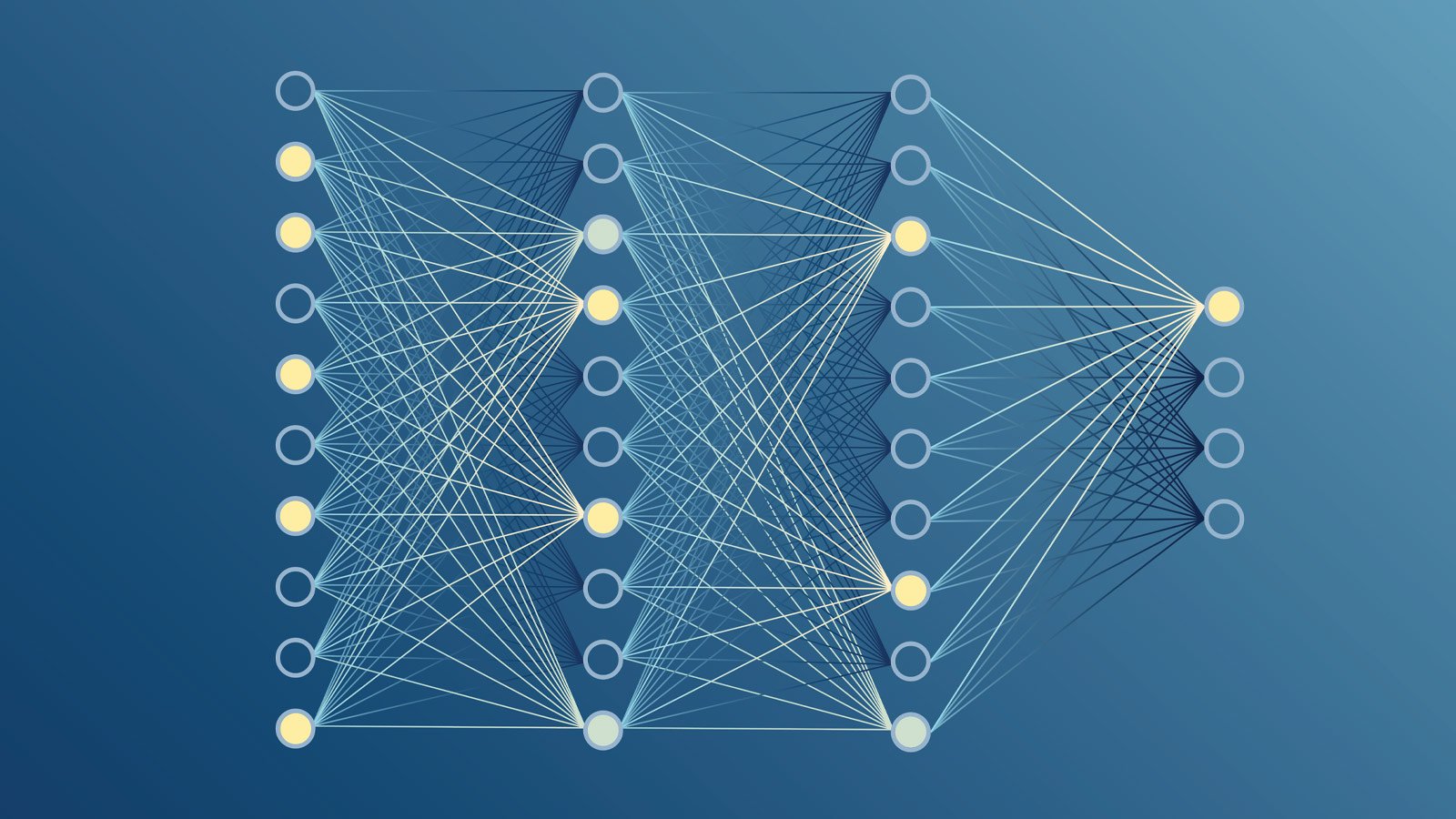
The capabilities of generative AI extend far beyond mere replication; they include the ability to explore a vast design space, resulting in outcomes that may not have been conceived by human designers alone. This is achieved through techniques such as deep learning and neural networks, which mimic the cognitive functions of the human brain. By processing and understanding intricate details within datasets, generative AI can identify underlying structures, trends, and principles that guide the design process.
Moreover, generative AI enhances the design landscape by enabling rapid prototyping and iteration. Designers can generate a multitude of variations of a design in a fraction of the time it would typically take. This not only speeds up the creative process but also facilitates a more data-driven approach where decisions can be informed by predictive analytics. Industries such as fashion, automotive, and architecture are embracing this technology, as it allows for tailored solutions that cater to specific needs and preferences.
In the broader context, generative AI fosters collaboration between humans and machines, pushing the boundaries of creativity and innovation. As designers leverage these tools, they are increasingly equipped to address complex challenges and imagine future possibilities in design. Understanding generative AI’s fundamental principles is crucial for grasping its transformative potential in various design disciplines.
Applications of Generative AI in Design
Generative AI is revolutionizing various design fields by providing innovative tools and techniques that enhance creativity and streamline processes. One notable application is in graphic design, where AI-driven tools assist designers in creating unique visuals by generating illustrations, logos, and marketing materials. For instance, Adobe’s Sensei uses machine learning algorithms to analyze user preferences and generate design suggestions, allowing for faster project turnaround and improved overall design quality.
In the realm of product design, generative AI is being employed to create optimized shapes and structures. By leveraging algorithms that simulate physical properties, designers can explore numerous iterations of a product, determining optimal materials and forms. An example includes Autodesk’s Fusion 360 which utilizes generative design to produce lightweight yet robust components for various industries, helping engineers and designers save time and resources.
Architecture is another domain benefiting significantly from generative AI. Architects are utilizing AI to produce complex designs that would be difficult and time-consuming to achieve manually. Utilizing tools like Spacemaker, architects can generate numerous design options based on specific parameters such as space utilization, sun exposure, and noise reduction, enabling more sustainable and efficient building concepts. This approach not only aids in the creative process but also helps address urban planning challenges.
The fashion industry has also embraced generative AI to inspire fresh designs and streamline textile creation. Brands like Adidas are experimenting with AI-generated patterns and styles that reflect current trends while still maintaining brand identity. This approach allows designers to explore new aesthetics and material combinations, enhancing the consumer experience while optimizing production workflows.
These applications demonstrate how generative AI is not merely a tool but a transformative force in design, enhancing creativity, improving efficiency, and fostering innovation across various sectors.
Benefits and Challenges of Using Generative AI in Design
The integration of generative AI into the design field is revolutionizing traditional processes, yielding significant benefits while also presenting several challenges. One of the most notable advantages is the enhancement of creativity. Generative AI can produce an array of design alternatives that can inspire human designers, encouraging innovative ideas that might not have been conceived through conventional methods. By leveraging data-driven algorithms, designers can explore possibilities that align closely with user preferences and current trends.
In addition to fostering creativity, generative AI enables faster design iterations. Automation significantly reduces the time required for repetitive tasks, allowing designers to focus more on strategic thinking and refining concepts. This acceleration can lead to shorter project timelines and increased productivity, ultimately resulting in cost-effectiveness for organizations. By streamlining workflows, teams can allocate resources more efficiently, minimizing overhead costs and optimizing project outcomes.
However, the widespread adoption of generative AI in design also raises critical challenges. Ethical considerations are paramount, as designers must navigate issues related to originality and authorship, particularly in cases where AI-generated outputs may inadvertently replicate existing works. Furthermore, there are growing concerns regarding potential job displacement. While generative AI can assist design professionals, it may lead to a diminished demand for certain roles, prompting fears about job security within the industry.
Lastly, the need for human oversight remains an essential element of integrating generative AI in design. Designers must maintain a leadership role in guiding AI technologies, ensuring that the outputs align with the brand’s vision and ethical standards. Balancing the strengths of AI with the irreplaceable qualities of human creativity and intuition is crucial for successful implementation. Overall, the impact of generative AI on design is multifaceted, warranting careful consideration of both its advantages and challenges.
The Future of Generative AI in Design
The evolution of generative AI has been remarkable, significantly altering the landscape of the design industry. As we look towards the future, several key developments emerge that could shape how designers operate alongside advanced AI systems. Innovations in machine learning algorithms are expected to yield increasingly sophisticated generative models, enabling designers to harness the power of AI in novel ways. For instance, we may see enhancements in the ability of AI to process vast datasets of design works, allowing it to generate unique concepts that reflect not only current trends but also timeless design principles.
Moreover, as generative AI capabilities grow, the integration of user interactions will likely become more seamless. Designers will have the opportunity to collaborate with AI in real-time, refining generated outputs based on their artistic intentions and preferences. This evolving relationship offers the potential for richer, more personalized design experiences that blend human intuition with machine-driven creativity. Such collaboration may also democratize design, empowering individuals without formal training to create sophisticated visuals through user-friendly AI tools.
Furthermore, we may witness an increased focus on ethical considerations surrounding the use of generative AI in design. As AI tools generate designs that mimic existing styles, questions regarding copyright and intellectual property will become paramount. The industry will need to address these concerns to ensure a fair landscape for both human creators and AI systems. Regulatory frameworks may emerge to navigate these challenges, fostering a responsible approach to AI integration across various design disciplines.
In conclusion, the future of generative AI in design promises a dynamic interplay between technology and human creativity. As advancements continue, designers must adapt to this new reality, embracing collaboration with AI to push the boundaries of artistic expression and innovation. The potential for a flourishing partnership between humans and machines highlights an exciting frontier for the design industry, where imaginations can thrive without limitations.