









Introduction to Workforce Trends in Manufacturing Engineering
The field of manufacturing engineering has been undergoing significant transformations, driven by rapid technological advancements and evolving market demands. Understanding the current state of the workforce within this sector is imperative to grasp the implications it has for innovation, productivity, and competitiveness. This blog post aims to provide insights derived from a recent survey that shed light on these trends.
The survey was designed to capture a comprehensive view of workforce trends in manufacturing engineering. It encompassed a diverse range of respondents, including engineers, technicians, managers, and industry stakeholders from various geographical regions. A wide demographic mix in terms of age, experience, and educational background was represented, allowing for a nuanced understanding of the workforce landscape. The responses gathered provide a snapshot of the prevalent sentiments and the challenges faced by professionals within the sector today.
Several key factors prompted the undertaking of this survey. A primary driver included the escalating need for skilled labor to navigate the complexities introduced by advanced technological systems, such as automation and artificial intelligence. Additionally, the survey aimed to explore the shifting expectations of the workforce, particularly concerning work-life balance and career development opportunities, which are increasingly recognized as pivotal in attracting and retaining talent in manufacturing engineering.
As the industry progresses, it is crucial to remain aware of the workforce trends that shape the future of manufacturing engineering. This understanding will not only inform strategic decision-making but also foster an environment where innovation can thrive. The following sections will delve deeper into the survey insights, elucidating the implications of these trends on the broader manufacturing landscape.
Key Findings from the Survey
The recent survey conducted within the manufacturing engineering sector reveals several notable findings that reflect current trends and challenges faced by the workforce. One of the primary statistics highlighted is the significant shift in workforce demographics, with an increasing representation of younger professionals and a noted decline in the percentage of seasoned workers approaching retirement. This demographic transition indicates an urgent need for companies to implement effective knowledge transfer strategies to mitigate the potential loss of valuable skills and experience.
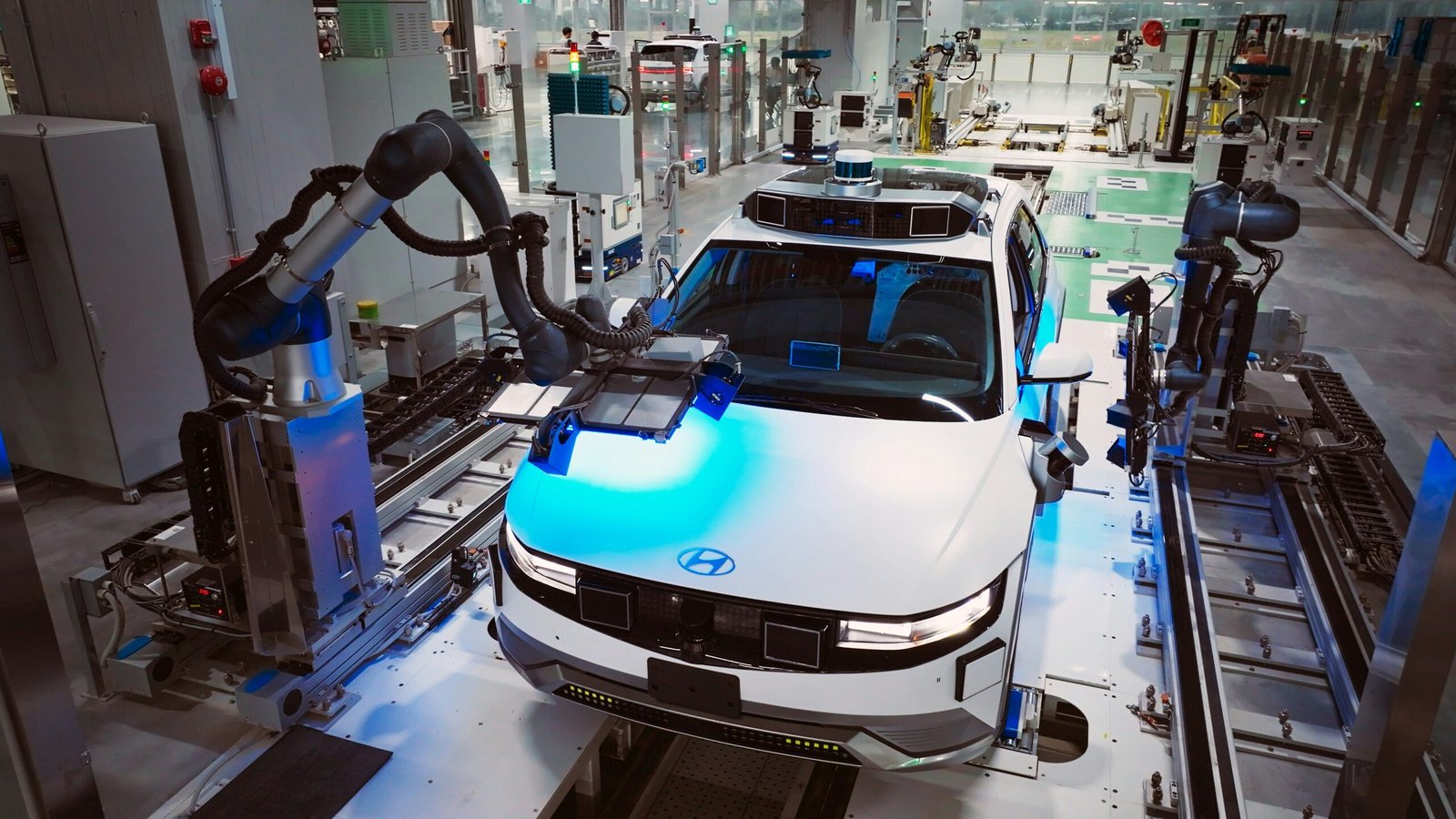
Additionally, the survey illuminates a marked increase in demand for specialized skills, particularly in automation, data analysis, and sustainable manufacturing practices. As technological advancements such as Industry 4.0 and smart manufacturing continue to reshape operational processes, employees are increasingly required to possess competencies that align with these innovations. Manufacturers are now seeking individuals who can not only adapt to but also leverage new technologies to enhance production efficiency and quality.
Emerging roles within manufacturing engineering are also on the rise. Positions such as data scientists, process automation engineers, and sustainability specialists are gaining traction, illustrating the evolving nature of the industry. These roles are becoming essential as companies strive to remain competitive and responsive to market demands, thus fostering a more agile and innovative workforce.
The insights derived from the survey align with broader trends within the manufacturing industry, indicating a necessary shift in employer strategies regarding recruitment, training, and retention of talent. Employers are encouraged to adopt a more proactive approach to workforce development, focusing on continuous education and upskilling initiatives to ensure that employees remain equipped to meet future challenges. The findings emphasize the evolving landscape of manufacturing engineering and the implications for both current professionals and aspiring individuals in the workforce.
Challenges Facing the Manufacturing Engineering Workforce
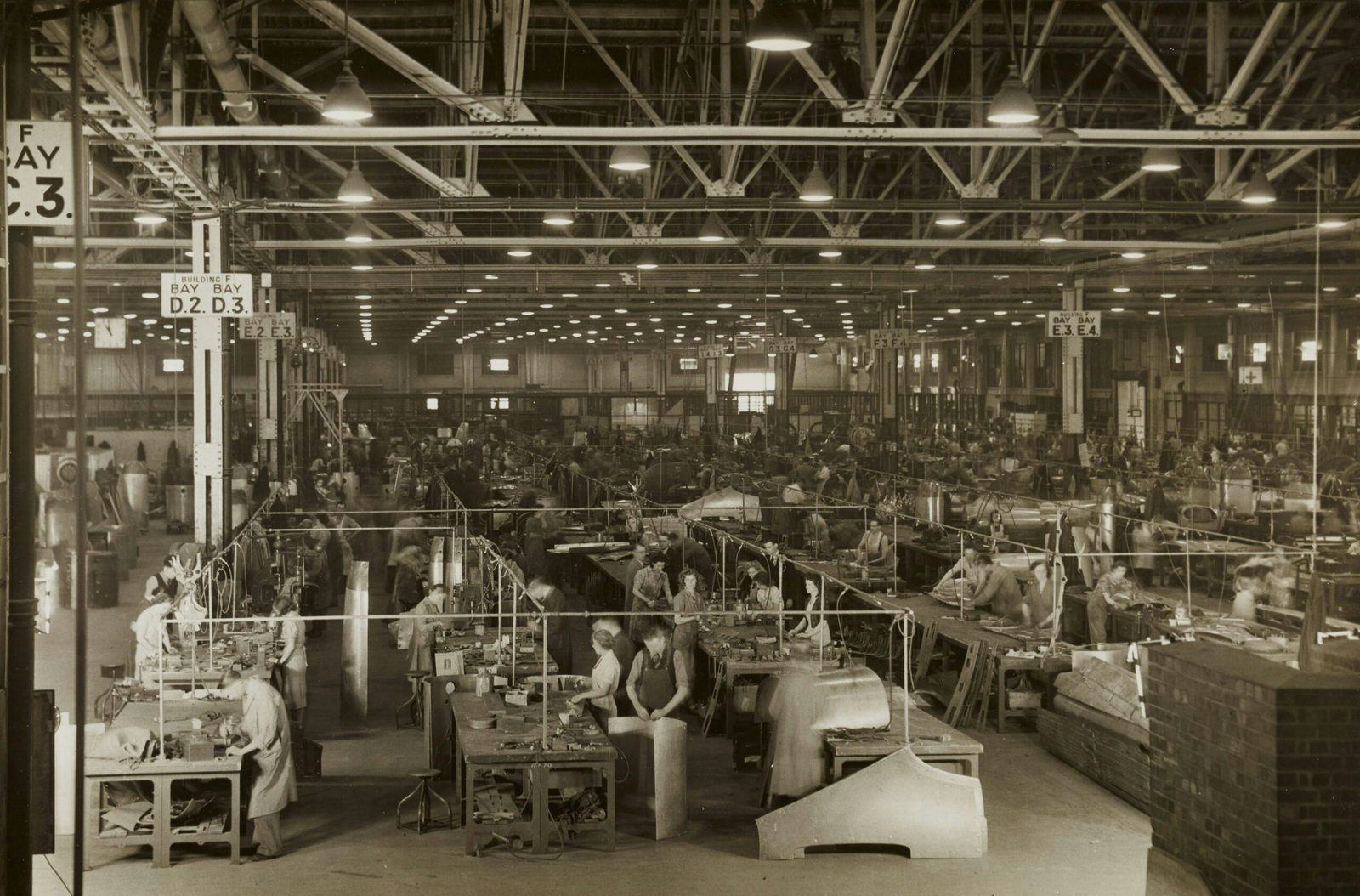
The manufacturing engineering sector is experiencing a multitude of challenges that significantly impact its workforce. Among the most pressing issues is the persistent skills gap, where educational institutions are not producing graduates with the requisite skills necessary for modern manufacturing roles. This deficiency results in a workforce that may lack advanced technical capabilities, thus creating a barrier to implementing innovative practices and technologies. Consequently, organizations may depend on experienced workers who may soon retire, exacerbating this skills shortfall and hampering the industry’s growth potential.
Another major concern is recruitment difficulties. The manufacturing engineering sector often struggles to attract new talent, particularly younger generations who may perceive these careers as less appealing compared to options in technology-driven fields. The industry must work diligently to improve its image and highlight the rewarding nature of manufacturing careers, which often provide excellent job security and opportunities for advancement. If the manufacturing sector cannot effectively fill its workforce roles, it risks losing its competitive edge on both a national and global scale.
Retention challenges further complicate the workforce landscape. High turnover rates can result from inadequate professional development opportunities, uncompetitive compensation packages, or unsatisfactory working conditions. These factors not only drain organizational resources but also disrupt continuity, ultimately affecting productivity and innovation. Furthermore, as manufacturing processes evolve through technological advancements, workforce adaptation to new systems and practices becomes mandatory. This adaptation requires continuous training and support, which can be challenging in an industry already struggling with resource constraints.
Indeed, the ramifications of these challenges extend beyond immediate operational issues and threaten the long-term competitiveness of the manufacturing engineering sector. To mitigate these complexities, industry leaders must prioritize the development of strategic initiatives aimed at addressing skill shortages, enhancing recruitment efforts, improving retention strategies, and fostering a culture of adaptability.
Strategies for Adaptation and Future Directions
In the rapidly evolving landscape of manufacturing engineering, organizations and professionals must adopt robust strategies to effectively navigate the emerging trends and challenges highlighted in recent surveys. One crucial strategy is the implementation of comprehensive workforce training programs. These programs should focus on enhancing technical skills and knowledge related to modern manufacturing processes, thereby equipping employees with the necessary competencies to thrive in an advanced operational environment.
Investment in continuous development initiatives is imperative. Companies can facilitate this through partnerships with educational institutions or industry associations, offering tailored modules that align with current industry demands. By fostering a culture of learning, organizations can empower their workforce to embrace innovation and adapt to technological advancements such as automation and artificial intelligence.
Embracing technology is another pivotal strategy. Integrating smart technologies, such as Internet of Things (IoT) and data analytics, not only improves operational efficiency but also facilitates informed decision-making. Training employees to leverage these technologies enhances productivity and allows organizations to remain competitive in a global marketplace. Additionally, such integrations can lead to better resource management and reduced operational costs, which are essential in today’s manufacturing environment.
To cultivate a resilient workforce, organizations should also prioritize creating an adaptable culture. This involves encouraging open communication, fostering collaboration, and promoting flexibility within teams. By doing so, companies can ensure that their employees are well-prepared for future uncertainties and capable of responding swiftly to market shifts.
Ultimately, organizations that prioritize workforce training, technological integration, and a culture of continuous improvement will position themselves as leaders in the manufacturing engineering sector. These strategies not only prepare organizations for current challenges but also pave the way for sustained growth and success in the future.