








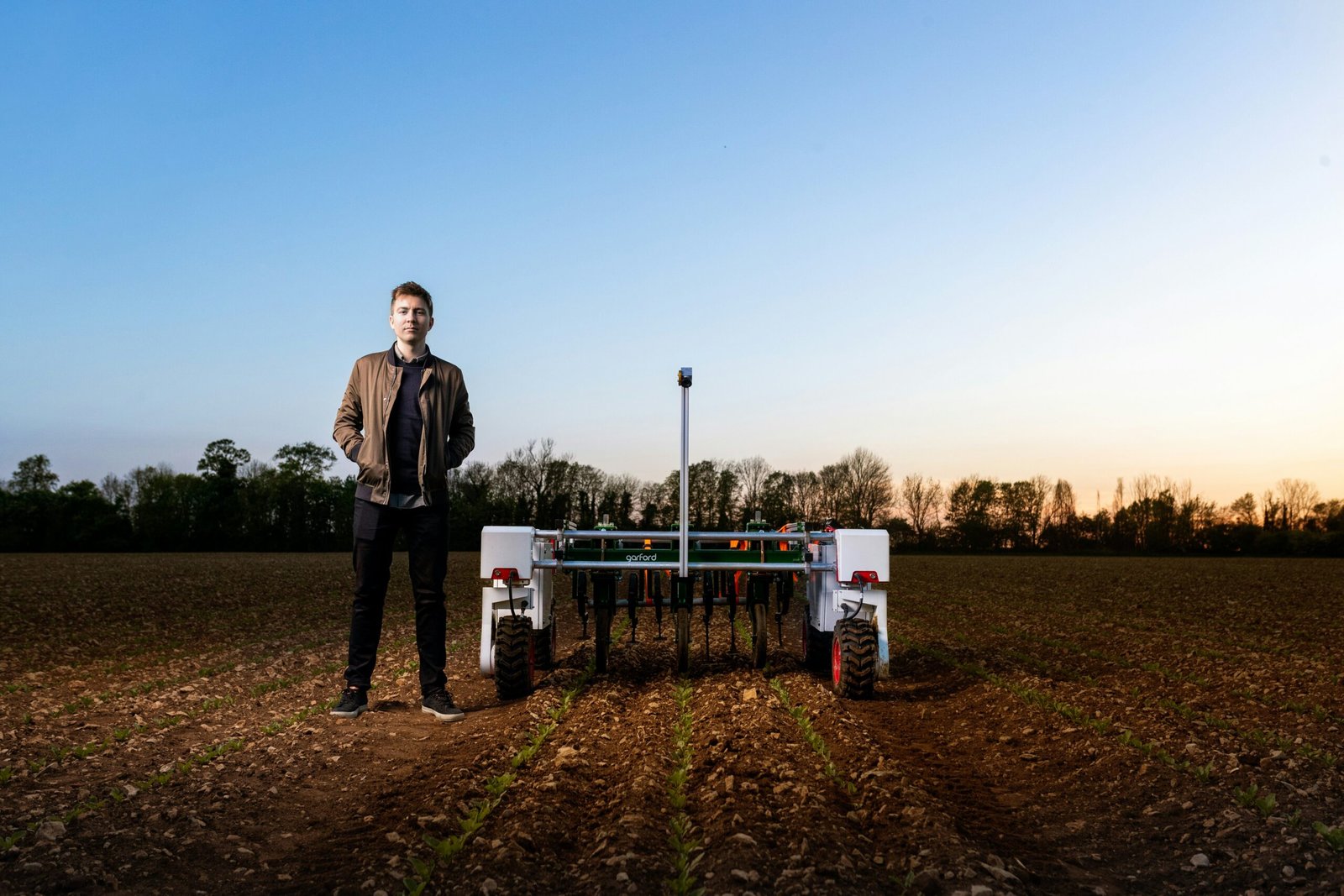
Introduction to AI in Agriculture
The agricultural sector is undergoing a significant transformation with the advent of artificial intelligence (AI). AI technologies are proving to be essential tools for farmers, allowing them to improve efficiency and yield in an increasingly competitive market. With the pressures of climate change, growing populations, and resource limitations, the adoption of AI is becoming crucial for sustainable farming practices. Farmers are leveraging AI to make data-driven decisions, enhancing their ability to predict crop yields, pest infestations, and weather conditions.
Various forms of AI, such as machine learning and data analytics, play pivotal roles in agricultural advancements. Machine learning algorithms analyze vast datasets to identify patterns and trends that would be impossible for humans to discern. For example, by utilizing historical weather data alongside modern climatic models, farmers can forecast the best planting times for their crops, significantly impacting their overall productivity. Moreover, data analytics enables farmers to optimize their resources by providing insights on soil health, moisture levels, and nutrient needs, thus facilitating precise interventions.
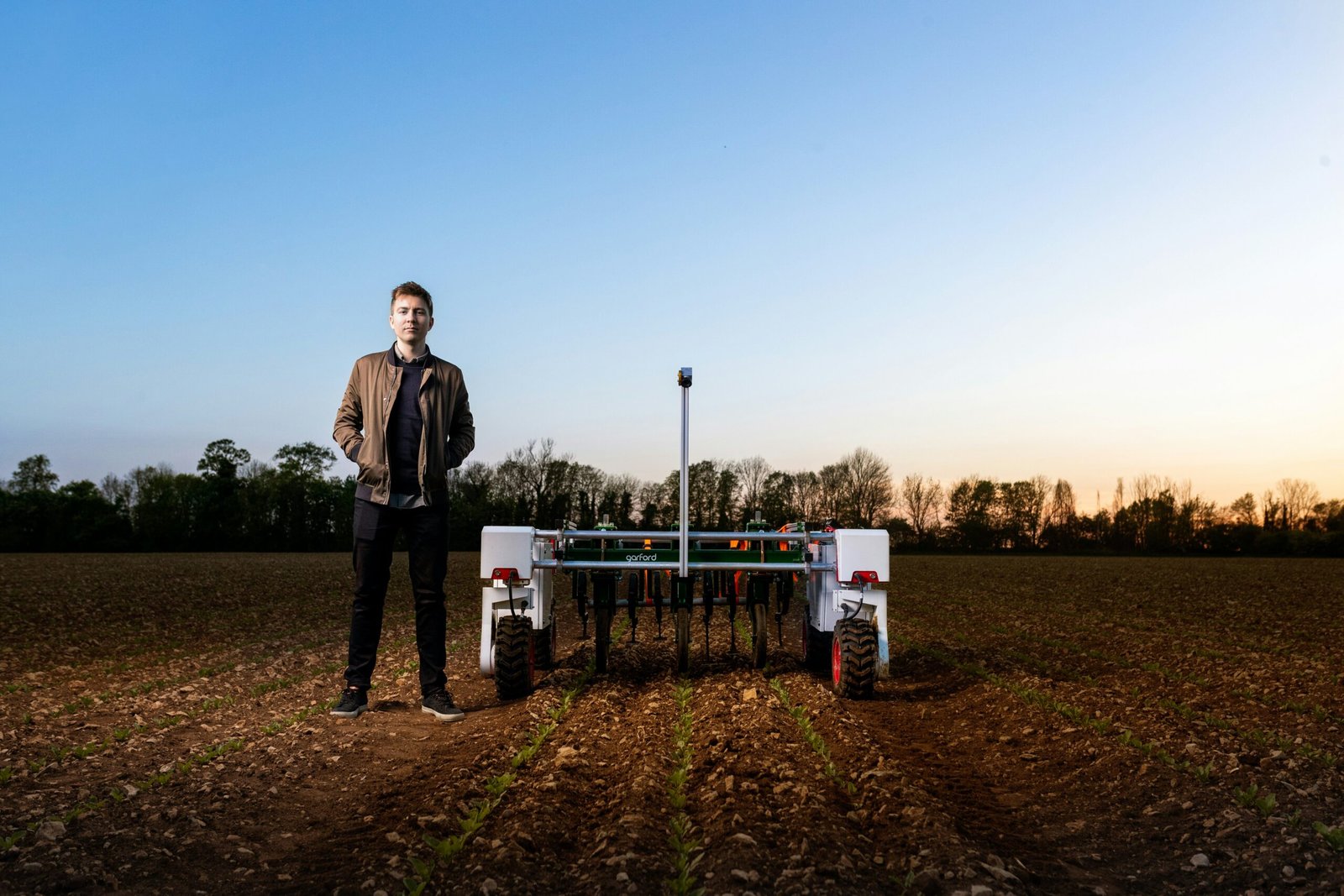
Another critical aspect of AI in agriculture is its ability to process real-time data through sensors and drones. These technologies monitor field conditions and collect crucial information that can lead to better decision-making. As a result, farmers can detect anomalies early on, such as disease outbreaks or irrigation inefficiencies, prompting timely actions to mitigate risks. This proactive approach enhances crop management and ultimately leads to higher yields. Overall, the integration of AI into farming not only streamlines operations but also fortifies the sector’s resilience against various challenges, setting a new standard for agricultural practices.
The Role of Data in AI-Driven Forecasting
Data plays a critical role in the success of AI-driven forecasting within the agricultural sector. The types of data collected range widely, encompassing essential factors such as soil quality, weather patterns, crop health, and satellite imagery. Each of these data types provides a foundation upon which AI models can build accurate predictions. For instance, soil quality data helps assess nutrient levels and moisture content, which are crucial for determining optimal planting times and crop selection. Furthermore, weather patterns contribute insights on temperature fluctuations, precipitation rates, and extreme weather events, all vital for managing risks associated with farming.
Another significant data type is crop health information, often gathered through sensors and drones. This data allows farmers to monitor plant growth and detect early signs of disease or pest infestations, ultimately enabling timely interventions. Satellite imagery complements these efforts, offering a broader perspective on crop health and land usage across extensive areas. Harnessing these diverse data types enhances the AI models’ predictive accuracy, facilitating better decision-making centered on farming outputs.
However, the effectiveness of these AI-driven forecasts hinges on the accuracy and volume of the data collected. Large quantities of high-quality data ensure that AI algorithms can identify patterns and trends that may not be apparent through limited datasets. Farmers are increasingly employing data collection tools—such as soil sensors and weather stations—to gather real-time information. The integration of these advanced technologies allows for more dynamic adjustments based on immediate conditions, enhancing not only the precision of forecasts but also the overall productivity of farms. This reliance on robust data underlines the critical role that comprehensive information systems play in fostering improved farming outcomes.
Benefits of AI-Driven Forecasting in Farming
In recent years, the adoption of AI-driven forecasting in agriculture has demonstrated significant advantages that can transform the sector. One of the most notable benefits is the increase in crop yields. By utilizing predictive analytics, farmers can make informed decisions about planting schedules, irrigation needs, and pest management. This data-driven approach enables farmers to optimize their practices, ensuring that crops receive the exact resources they require for maximum productivity.
AI-driven forecasting also facilitates optimized resource usage. With advanced algorithms, agricultural technology can analyze countless variables, such as weather patterns and soil conditions, which allows farmers to allocate their resources more efficiently. This leads to a reduction in wastage, as inputs like water and fertilizers can be used precisely when and where they are needed, enhancing sustainability within farming operations.
Another significant advantage is the reduction of labor costs. Automation powered by AI can streamline various farming processes, from planting to harvesting. By minimizing manual interventions, farmers can not only save on labor costs but also reduce the risk of human error. For instance, AI systems can control machinery with remarkable accuracy, allowing for more efficient land use and crop care.
Moreover, improved market strategies can be achieved through better yield predictions facilitated by AI. Farmers equipped with accurate forecasts can adjust their production plans according to anticipated market demand, allowing them to time their harvests better and avoid oversupply or shortages. This strategic foresight enables them to maximize profits while simultaneously satisfying consumer needs.
Real-life case studies have illustrated the positive outcomes of implementing AI forecasting in farming. For example, a study of a grain farm that adopted AI technology showed a 20% increase in yield over three years, demonstrating the effective integration of these tools into agricultural practices. Such examples underscore the myriad benefits AI-driven forecasting brings to modern farming, enhancing efficiency and sustainability in an increasingly competitive landscape.
Challenges and Future Outlook
The implementation of AI-driven forecasting in agriculture presents a myriad of challenges that must be addressed for successful integration. One significant barrier is the substantial initial investment required to adopt these advanced technologies. Many small to medium-sized farms may find the costs associated with AI tools, data management systems, and necessary hardware prohibitive. This financial constraint is further compounded by the need for ongoing maintenance and updates to the technological infrastructure, which can deter farmers from embracing these innovations.
Data privacy concerns also represent a critical challenge. As agricultural operations increasingly rely on collecting and analyzing personal and operational data, farmers may be apprehensive about how their data is used, stored, and shared. Ensuring robust cybersecurity measures and establishing transparent data governance policies will be crucial in allaying these concerns and promoting trust among farming communities.
Moreover, the potential technological divide between well-resourced and under-resourced farming operations can exacerbate existing disparities within the agricultural sector. Larger agricultural enterprises may have the capability to leverage sophisticated AI forecasting tools, while smaller farms struggle to keep pace with digital transformation. This divide underscores the need for policies and initiatives that support equitable access to technology for all farmers, thus fostering a more inclusive agricultural environment.
Looking to the future, the trajectory of AI in agriculture suggests that emerging trends such as precision farming, real-time data analytics, and machine learning will redefine farming practices. As technological advancements progress, farmers can better position themselves by seeking training and resources to enhance their digital literacy. By doing so, they can navigate the complexities of AI implementation more effectively and ultimately drive improved farming outputs and sustainability.