









Understanding Climate Resilience in Agriculture
Climate resilience in agriculture refers to the capacity of both agricultural systems and crop varieties to withstand, adapt to, and recover from the adverse impacts of climate change. As the climate continues to change, traditional crop production faces increasing threats from environmental stressors such as droughts, floods, pests, and diseases. These stressors can significantly hinder crop yield and farm sustainability, prompting the need for the development and deployment of climate-resilient crop varieties.
Climate-resilient crop varieties are specifically bred or genetically modified to endure harsh environmental conditions that are likely to become more common due to climate change. For example, drought-tolerant crops have been developed to maintain yield even under limited water conditions, while flood-resistant varieties can thrive in areas prone to heavy rainfall. Additionally, pest-resistant crops reduce the reliance on chemical pesticides, which can have detrimental effects on both health and environment. These attributes make such varieties essential in ensuring agricultural productivity is maintained in the wake of shifting weather patterns and the rise of new plant pathogens.
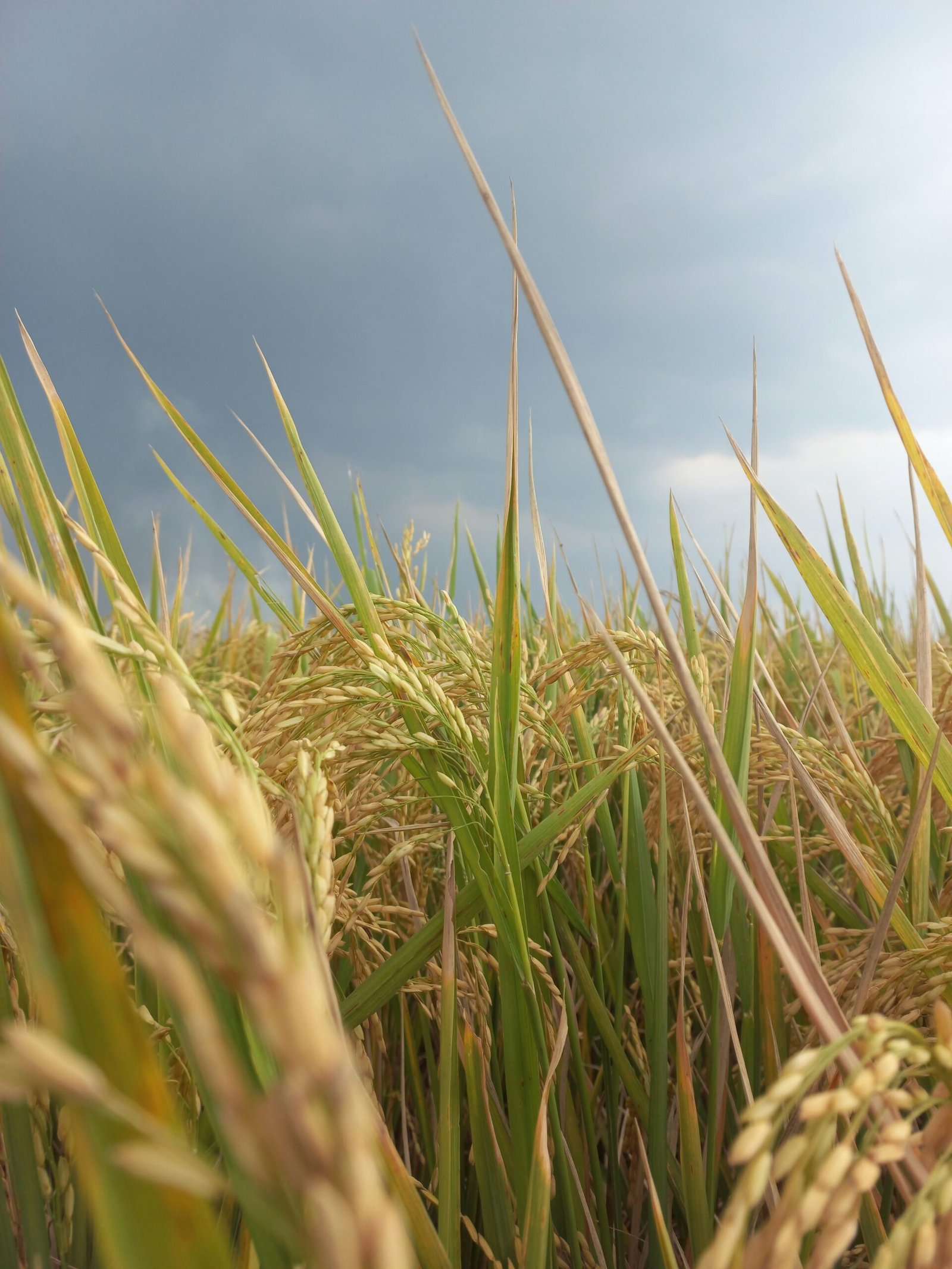
Some successful examples of climate-resilient crops include the development of certain strains of rice that can survive flooding and maize varieties that can endure prolonged periods of drought. These innovations not only bolster food security by boosting yields and minimizing losses but also offer farmers a sustainable pathway to adapt to fluctuating climatic conditions. As we approach 2025, the urgency for farmers to adopt climate-resilient crop varieties becomes increasingly clear, underscoring the role such crops play in nurturing sustainable agriculture amidst ongoing climate challenges.
Innovative Breeding Techniques for Developing Resilient Varieties
The development of climate-resilient crop varieties is critical for ensuring sustainable agriculture in the face of increasing environmental challenges. Traditional breeding methods, such as selective breeding, have long been employed to enhance crop traits. These practices involve choosing parent plants with desirable characteristics to produce offspring with improved resilience to climate impacts. However, as climate variability intensifies, the limitations of conventional approaches have prompted a shift towards innovative techniques that can deliver results more rapidly and effectively.
Modern biotechnology now plays a pivotal role in crop variety development. Genetic engineering allows researchers to incorporate specific traits directly into the crop genome. This method provides the ability to introduce resistance to pests or diseases and enhance tolerance to abiotic stresses, such as drought and salinity. Furthermore, CRISPR technologies represent a significant advancement in this field, permitting precise targeting of genes for modification. Through CRISPR, scientists can edit genomes with remarkable accuracy, leading to the production of resilient varieties that can thrive under changing climate conditions.
The collaborative efforts between scientists, agricultural bodies, and farmers are essential for effectively utilizing these cutting-edge breeding techniques. By sharing expertise and resources, stakeholders can accelerate the identification and dissemination of climate-resilient varieties. Such partnerships ensure that new developments translate into practical outcomes for farmers, leading to improved food security and sustainability. The integration of innovative breeding techniques facilitates the creation of crops that not only maintain high yield stability but also adapt successfully to the varying stresses imposed by climate change. The future of agriculture thus hinges on embracing these advancements to develop resilient crop varieties that can withstand the challenges of 2025 and beyond.
Case Studies: Successful Implementation of Climate-Resilient Varieties
Across various regions, the implementation of climate-resilient crop varieties has demonstrated significant success in addressing the challenges posed by climate change. One notable example comes from Ethiopia, where farmers have adopted drought-resistant maize strains. With erratic rainfall patterns and prolonged dry spells becoming commonplace, these resilient varieties have substantially improved crop yields, ensuring food security for many households. Farmers report that these crops not only withstand periods of drought but also require less water, contributing to more sustainable farming practices.
In India, the introduction of salt-tolerant rice has transformed the lives of farmers in coastal areas prone to salinization. The combination of rising sea levels and poor irrigation practices often led to reduced soil fertility and crop failure. By embracing this innovative rice variety, farmers have seen improved productivity and profit margins. The socio-economic upliftment is significant, as many families can now diversify their income sources, enhancing their resilience against economic shocks.
Furthermore, in South America, a focus on climate-resilient legumes, such as drought-tolerant beans, has also yielded encouraging results. These legumes enhance soil health by fixing nitrogen, which reduces the need for chemical fertilizers. As a result, farmers have reported lower production costs, improved sustainability, and better market access due to the enhanced quality of their produce. Communities along with agronomists have collaborated resulting in extensive training programs that empower farmers with the knowledge to adopt these resilient practices effectively.
Overall, these case studies illustrate that integrating climate-resilient crop varieties into agricultural systems can lead to substantial benefits. This approach not only helps mitigate the adverse impacts of climate change but promotes sustainable agriculture that contributes positively to food security and the economy.
The Future of Climate-Resilient Cropping Systems: Policy and Practices
The transformation towards climate-resilient cropping systems necessitates a robust policy framework and effective practices that promote the development and adoption of innovative agricultural technologies. Current agricultural policies must adapt to align with the principles of climate resilience, fostering an environment that supports research and development of climate-resistant crop varieties. For policymakers, this means viewing climate resilience not merely as an ancillary concern but as a fundamental pillar of agricultural strategy. Integrative approaches that combine ecological knowledge with socio-economic factors can create a conducive atmosphere for climate-smart agriculture.
To achieve these goals, recommendations include prioritizing funding for research initiatives focused on climate-resilient crops, infrastructure enhancements, and the dissemination of this knowledge among farming communities. Policymakers should consider establishing partnerships with academic institutions and agricultural organizations that specialize in climate adaptation. Additionally, direct investment into farmer education programs is essential, enabling producers to understand and utilize climate-resilient practices effectively. Such initiatives must engage communities directly to customize solutions suited to local conditions, fostering a sense of ownership and commitment to sustainable agricultural practices.
Moreover, the role of extension services cannot be understated in this context. Extension agents serve as critical conduits between researchers and farmers, facilitating knowledge transfer on climate-resilient crop varieties and best management practices. By equipping farmers with insights into climate variability and adaptive strategies, extension services can drive the adoption of pioneering agricultural practices. Furthermore, global cooperation is vital; countries must synergize their efforts, share successful strategies, and mobilize resources towards climate-resilient initiatives. By enhancing collaborative research, infrastructure investment, and policy alignment, the global agricultural community can pave the way for a more sustainable and resilient future in the years leading up to 2025 and beyond.