









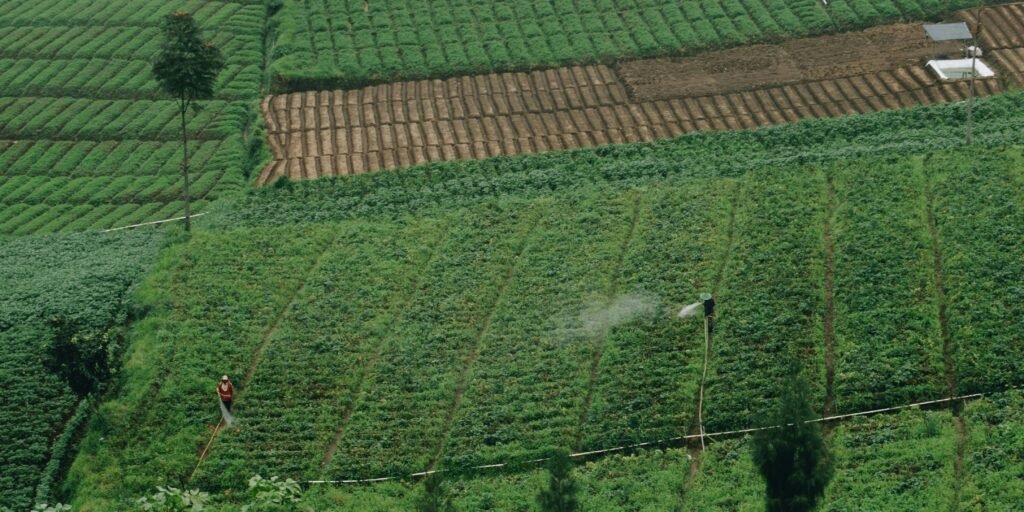
Understanding Smart Farming
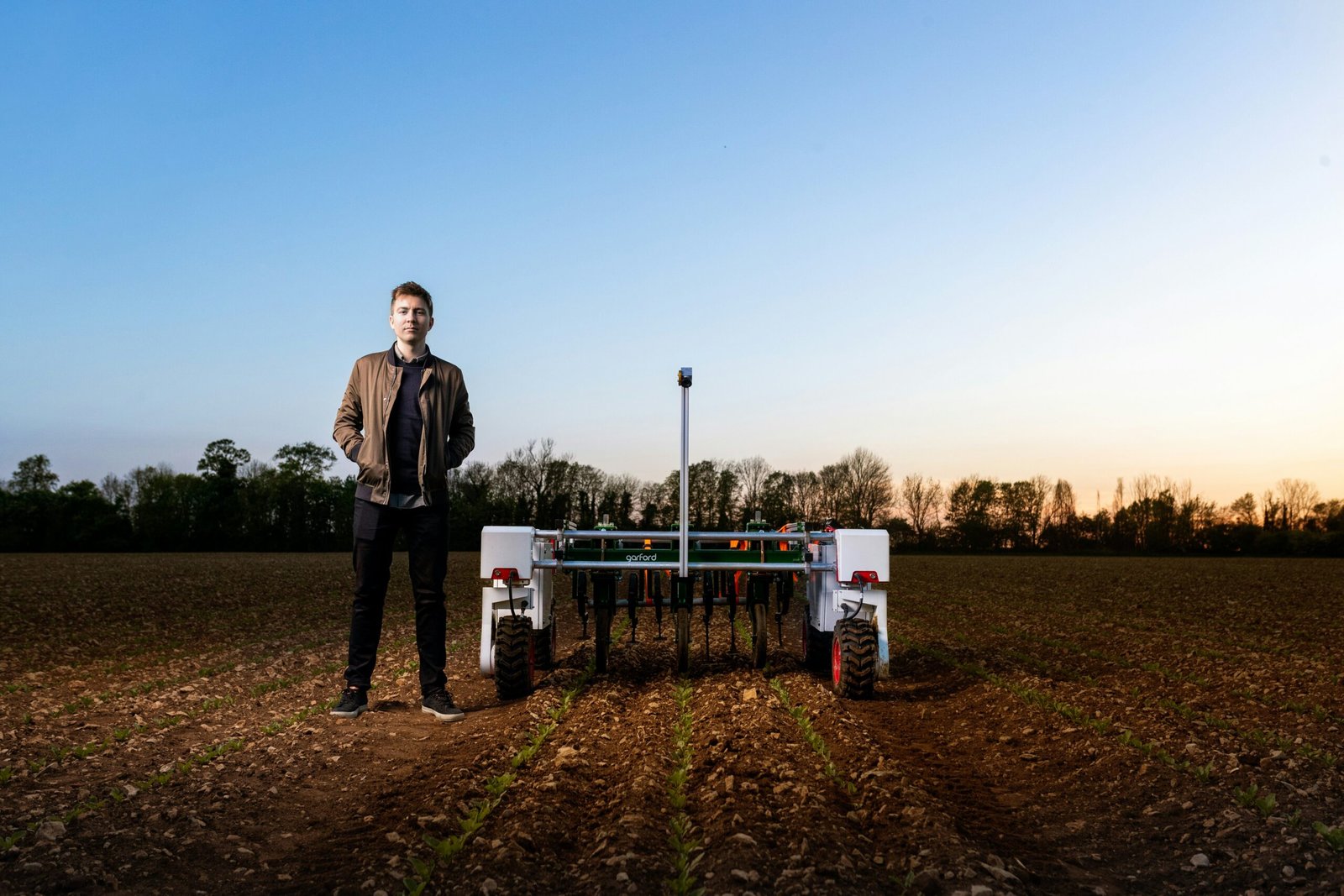
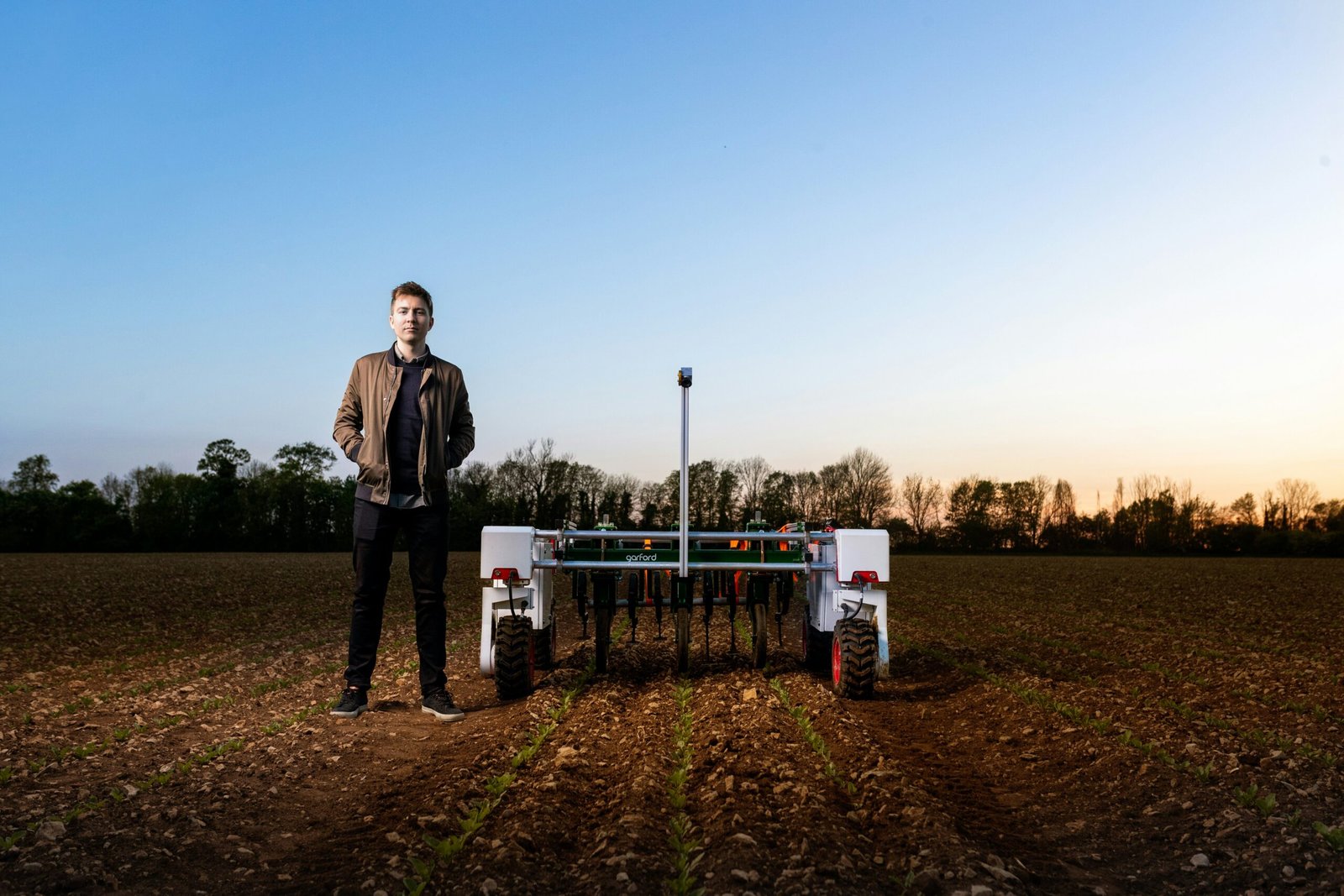
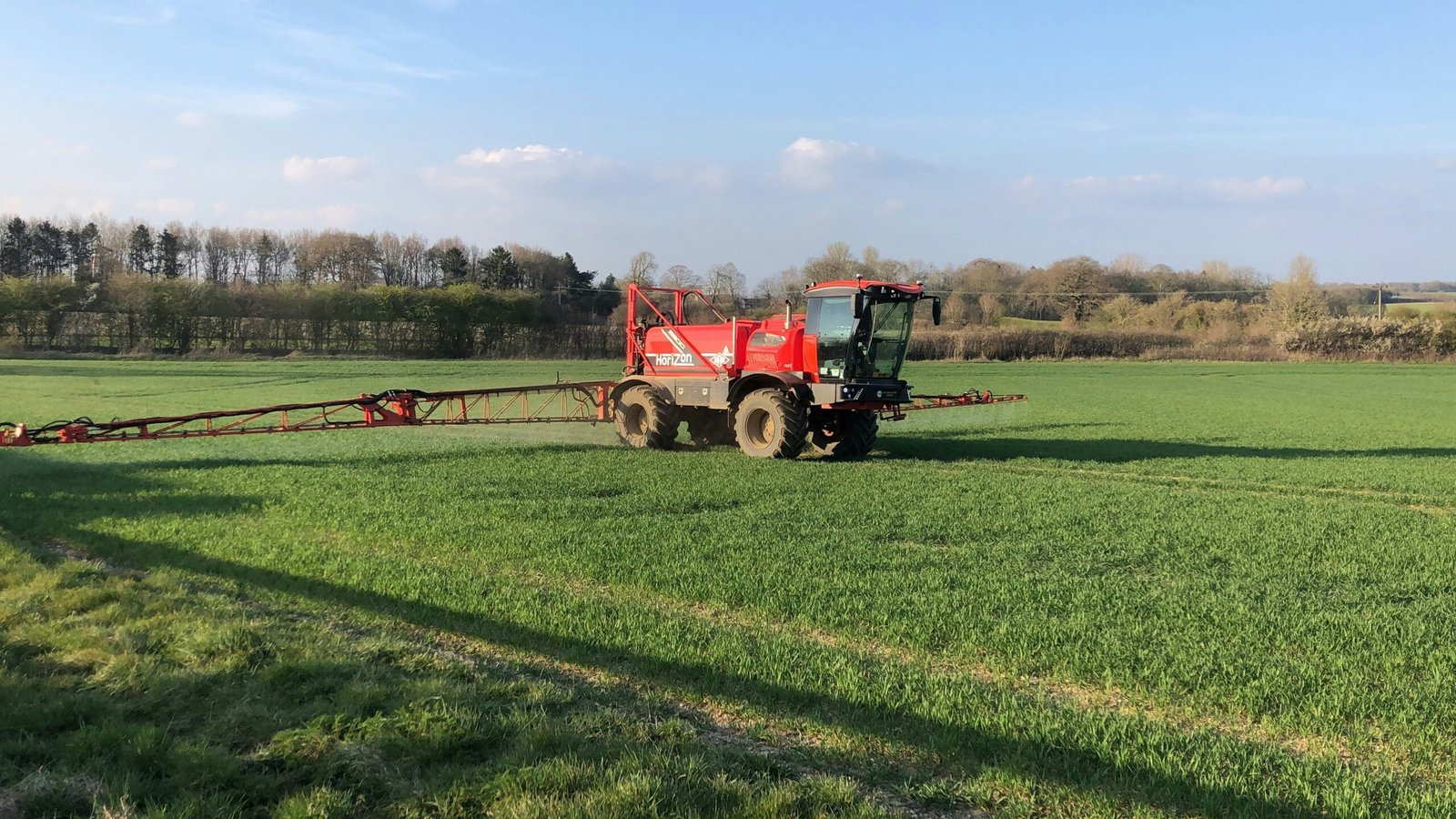
Smart farming refers to the use of advanced technologies and data-driven methodologies to enhance agricultural productivity and sustainability. At its core, smart farming encompasses several key components including precision agriculture, Internet of Things (IoT) technology, and data analytics. These technologies work synergistically to optimize farming practices, reduce waste, increase yield, and improve resource management.
Precision agriculture utilizes GPS technology, soil sensors, and remote sensing to monitor and manage farm operations. By analyzing data collected from these devices, farmers can make more informed decisions regarding irrigation, fertilization, and planting schedules. For instance, soil sensors provide real-time information on moisture levels, allowing farmers to apply water only where and when it is needed, thus conserving water resources and reducing costs.
IoT technology plays a crucial role in smart farming by connecting various devices and machinery, facilitating seamless communication and data exchange. As a result, farmers can gain insight into their operations through real-time monitoring and alerts. For example, smart irrigation systems can automatically adjust water supply based on weather forecasts and soil moisture data, ensuring optimal conditions for crop growth.
Data analytics is another essential component of smart farming, enabling farmers to interpret complex data sets to make strategic decisions. Analyzing historical data, along with current input from IoT devices, allows farmers to identify patterns and predict future outcomes, thereby minimizing risks associated with crop failure and market fluctuations. By applying analytics in combination with the other technologies, farmers can enhance their overall efficiency and productivity.
Smart farming applications, such as precision livestock farming and vertical farming, are becoming increasingly popular across various regions. These innovative practices not only promote the efficient use of resources but also contribute to increasing food security in developing economies, positioning smart farming as a vital strategy for achieving sustainable agricultural practices.
Current Challenges in Developing Economies
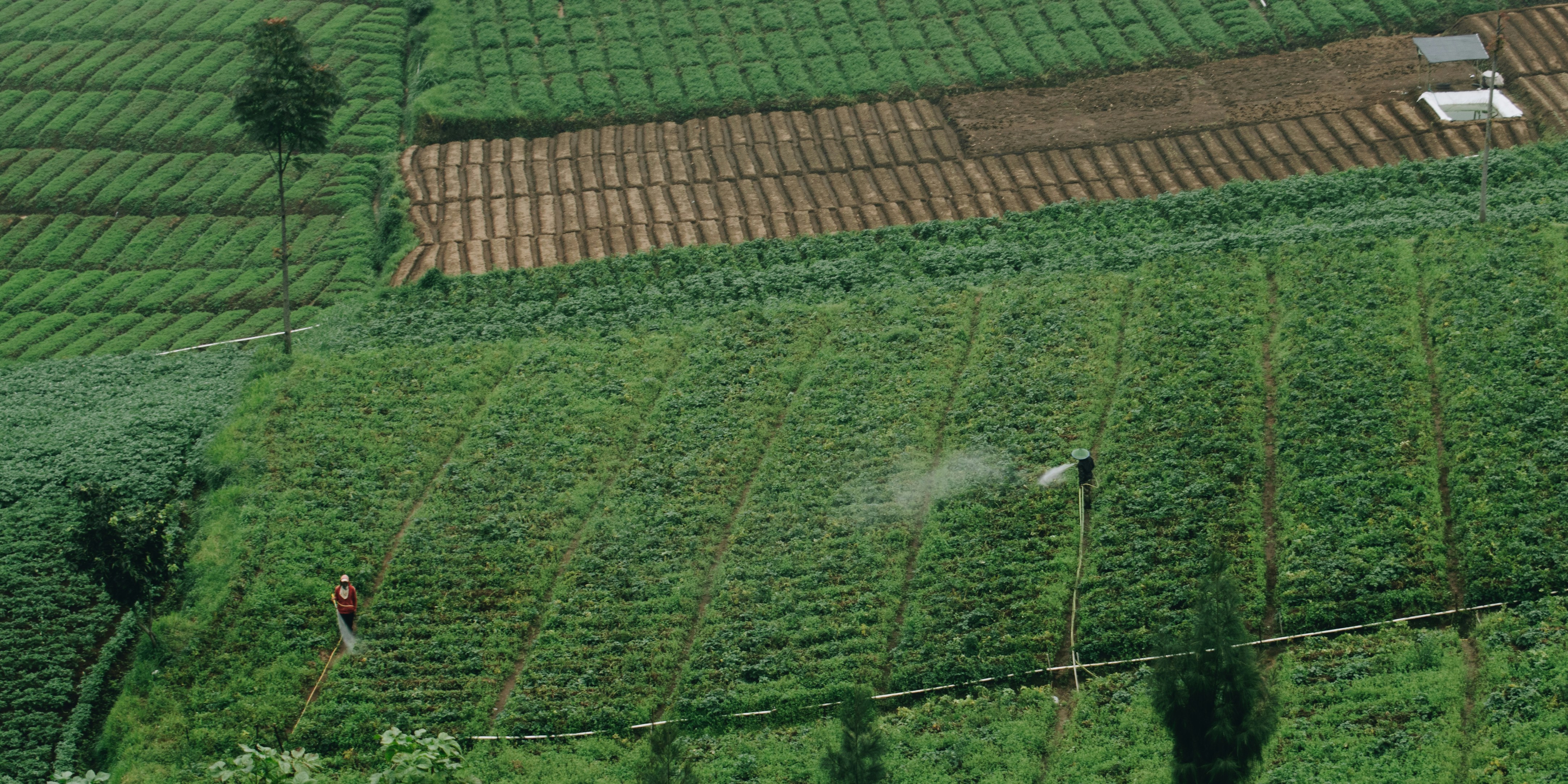
Developing economies face a myriad of agricultural challenges that hinder progress towards sustainable farming practices. One of the most prominent issues is food security. A significant portion of the population relies on agriculture for their livelihood, yet many regions experience chronic food shortages and malnutrition. The inability to produce enough food is often exacerbated by external factors such as market volatility and extreme weather events, which are increasingly influenced by climate change. Rising temperatures, erratic rainfall patterns, and the increasing frequency of natural disasters strain the agricultural output in these regions, leading to decreased productivity and food uncertainty.
In addition to climate change impacts, limited access to traditional farming resources presents a substantial barrier for farmers in developing economies. Many rely on outdated farming techniques that are inefficient and yield lower outputs. The lack of access to modern technologies, quality seeds, and fertilizers contributes to low agricultural productivity. Moreover, inadequate infrastructure, including poor roads and insufficient storage facilities, complicates the distribution of agricultural products, further diminishing food security and economic potential.
Socioeconomic factors, such as poverty and lack of education, also play a critical role in perpetuating these challenges. Many farmers lack the financial resources to invest in better farming methods or technologies. Educational deficits limit knowledge of sustainable practices and new agricultural innovations. Consequently, the cycle of poverty continues, restricting the adoption of efficient farming techniques and sustainable practices.
To address these entrenched challenges in developing economies, there exists a pressing need for innovative agricultural solutions that enhance productivity and resilience. Smart farming methods can provide a viable pathway to overcome current limitations, making agriculture more efficient and sustainable in the context of developing nations.
The Role of Technology in Smart Farming Adoption
The integration of technology in smart farming has become a pivotal factor in revolutionizing agricultural practices, particularly in developing economies. Among the most significant technological innovations are drones, sensors, mobile applications, and satellite imagery. These tools enable farmers to monitor crop health, manage resources efficiently, and enhance overall productivity.
Drones are increasingly utilized for aerial surveillance, providing farmers with real-time data about their fields. This technology can detect issues such as pest infestations or irrigation problems at an early stage, allowing for timely interventions. Furthermore, drones can facilitate precision agriculture by enabling targeted application of fertilizers and pesticides, which conserves resources and reduces environmental impact.
Sensors play a crucial role in collecting data on soil moisture, temperature, and nutrient levels. By employing these devices, farmers can make informed decisions about when to irrigate and fertilize crops, optimizing yield while minimizing wastage. The integration of sensors into existing farming practices not only enhances efficiency but also addresses environmental concerns associated with over-fertilization and excessive water use.
Mobile applications are also transforming agricultural practices by providing farmers with access to crucial information at their fingertips. These applications can offer weather forecasts, market trends, and farming tips, which are essential for effective decision-making. Reports of successful mobile solutions in countries like India underscore their potential in promoting smart farming techniques and supporting smallholder farmers.
Despite the advantages that these technologies offer, several challenges persist in their adoption. High costs can be prohibitive for many small-scale farmers, and insufficient training can hinder the effective use of these advanced tools. Additionally, issues around technological accessibility, particularly in remote areas, pose significant barriers to widespread adoption. Addressing these challenges is essential to fully realize the potential of smart farming in developing economies.
Strategies for Promoting Smart Farming in Developing Economies
In order to effectively promote smart farming in developing economies, a multi-faceted approach involving governments, non-governmental organizations (NGOs), and various other stakeholders is essential. The first strategy focuses on creating awareness among farmers about the benefits of smart farming technologies. Outreach programs, workshops, and demonstrations showcasing successful implementations can significantly enhance farmers’ understanding and willingness to adopt such practices. By illustrating the advantages of smart agriculture, including increased yield, reduced resource wastage, and enhanced market access, farmers can be encouraged to embrace innovative solutions.
Fostering partnerships between agricultural communities and technology companies is another critical strategy. Establishing collaborative frameworks can facilitate the sharing of knowledge, resources, and expertise. For instance, tech companies can tailor their innovations to meet the unique challenges faced by farmers in these regions. Joint ventures can also help in designing affordable solutions and ensuring proper technical support. Such partnerships not only enhance technological accessibility but also encourage technology transfer, which is vital for sustainable agricultural development.
Moreover, implementing financial support mechanisms, such as subsidies or grants for technology acquisition, will play a significant role in promoting smart farming. Governments can create policies that incentivize farmers to invest in smart agriculture solutions by offering financial aid or tax exemptions. This would alleviate the high initial costs associated with adopting new technologies, thereby encouraging more farmers to transition to smart practices.
Lastly, developing educational programs aimed at enhancing farmers’ technical skills is essential. Training initiatives should be established to equip farmers with the necessary knowledge to operate and maintain smart farming technologies effectively. Engaging local universities and agricultural extension services can be instrumental in providing this education. By prioritizing these strategies, stakeholders can set the stage for a successful transition towards sustainable agricultural practices in developing economies.