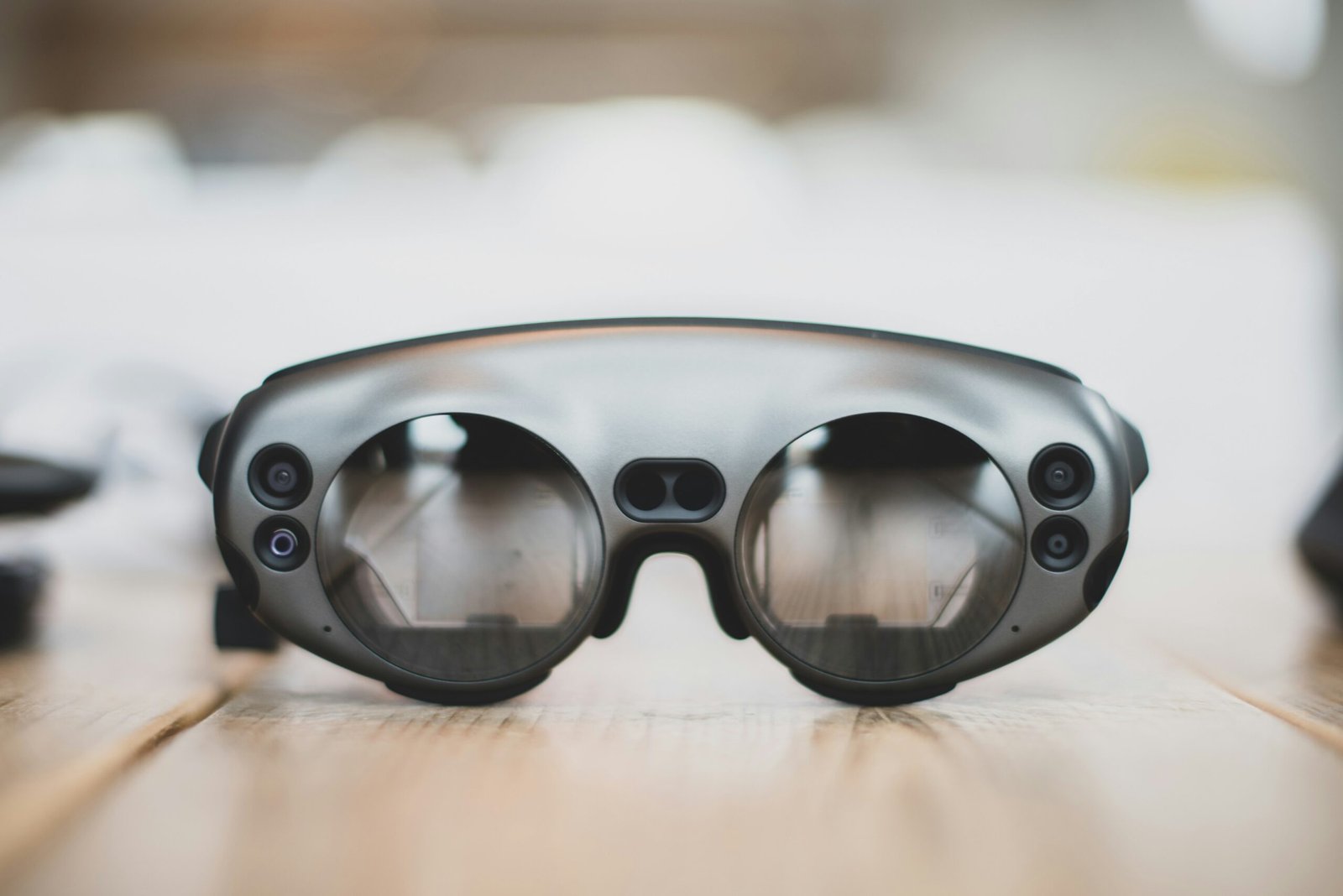











Introduction to Smart Gadgets and Consumer Trends
The proliferation of smart gadgets has significantly transformed the consumer technology landscape in recent years. Smart gadgets are devices that incorporate advanced technology to offer enhanced functionalities and seamless connectivity, allowing users to interact with their environment in more efficient ways. These devices, ranging from smart speakers and wearables to home automation systems and smart appliances, exemplify how innovation can enrich everyday life.
The evolution of smart technology can be traced back to the advent of the internet and the subsequent development of the Internet of Things (IoT). This integration of internet connectivity and intelligent systems has enabled devices to collect, share, and analyze data, thereby creating an interconnected ecosystem. As a result, the definition of what constitutes a “smart gadget” has expanded, encompassing any device that can communicate and operate autonomously or semi-autonomously, improving user convenience and experience.
Understanding consumer trends in the smart gadget market is essential for various stakeholders, including manufacturers, retailers, and marketers. Recent surveys have aimed to uncover these trends, focusing on consumer preferences, adoption rates, and the factors influencing purchasing decisions. Key insights from these surveys reflect an increasing willingness among consumers to embrace technological advancements in their daily lives, driven by the desire for convenience, efficiency, and security.
This blog post will delve into the findings from the surveys, highlighting notable consumer tendencies and insights into the factors that shape their choices concerning smart gadgets. It will also explore how these trends align with broader technological advancements, offering a comprehensive overview of the current state and future potential of smart gadgets in the consumer market.
Key Findings from the Survey on Consumer Behavior
The recent survey conducted on consumer habits concerning smart gadgets has unveiled significant insights into the preferences and motivations driving the purchasing decisions of tech-savvy individuals. One of the most striking findings indicates that consumers increasingly prioritize functionality and interoperability in smart gadgets. Many respondents expressed a desire for devices that can seamlessly integrate with existing technology, highlighting a trend towards ecosystems where multiple devices work together smoothly.
Demographically, a diverse range of respondents participated in the survey, reflecting varying age groups and technological proficiencies. Notably, millennials and Gen Z participants emerged as the most enthusiastic adopters of smart gadgets. This demographic exhibited a clear inclination towards innovative features, such as voice control and customization options, which they perceive as enhancing their everyday lives. In contrast, older generations displayed a preference for user-friendly interfaces and simpler functionalities, indicating distinct consumer segments with different expectations from smart technology.
The survey also revealed the primary motivations behind the purchase of smart gadgets. Convenience was highlighted as a key driver, with consumers emphasizing the ability to simplify tasks and improve their quality of life. Moreover, sustainability concerns have started influencing consumer decisions, with many respondents indicating a preference for brands that prioritize eco-friendly practices in their product development. This shift indicates that manufacturers and marketers must adapt their strategies to align with these evolving consumer values.
Frequency of purchase has also changed, with an increasing number of consumers regularly acquiring new smart gadgets. This trend suggests that marketing strategies must emphasize product innovation and the potential of upgrading to the latest technologies. In summary, the insights from the survey provide valuable guidance for manufacturers and marketers in the tech industry, as they navigate the changing landscape of consumer preferences and attitudes towards smart gadgets.
Impact of Smart Gadgets on Daily Life and Consumer Expectations
In recent years, the proliferation of smart gadgets has significantly transformed the daily routines of consumers, introducing both benefits and challenges. Smart devices, ranging from smartphones to smart home systems, offer enhanced convenience by allowing users to automate various aspects of their lives. For instance, smart thermostats can learn user preferences, adjusting temperatures automatically, which leads to increased energy efficiency and comfort. Such innovations illustrate how smart technology can streamline everyday tasks, enabling individuals to allocate their time more effectively.
However, the integration of these smart gadgets often presents challenges. Users may encounter difficulties when connecting devices from different manufacturers, leading to compatibility issues. The user-friendliness of these gadgets is also a critical concern; complex setups or interfaces can hinder the overall consumer experience. Manufacturers are urged to prioritize intuitive design and seamless integration to ensure that even non-tech-savvy individuals can easily adopt and utilize smart technology in their daily lives.
Privacy remains a pressing issue as well. With smart gadgets collecting vast amounts of personal data to enhance functionality, consumers are increasingly concerned about their privacy and data security. This apprehension has prompted users to expect higher standards of data protection and transparency from manufacturers. As a result, companies are compelled to incorporate robust security features into their designs to address these concerns.
The impacts of smart gadgets on daily life significantly shape consumer expectations for future products. As users become accustomed to the convenience and capabilities of existing smart technology, they are likely to demand even greater functionality, enhanced security measures, and seamless integration across all devices. Companies that can successfully respond to these evolving consumer expectations will likely lead the market in the future.
Future Trends in Smart Gadget Adoption and Technology
The landscape of smart gadget adoption is poised for significant evolution, particularly as emerging technologies continue to reshape consumer expectations and preferences. Recent surveys reveal that an increasing number of consumers are expressing a desire for enhanced connectivity and interoperability among their devices. This signifies a shift towards integrated ecosystems where smart gadgets not only function independently but also enhance each other’s capabilities through seamless communication.
One of the most notable trends is the growing interest in artificial intelligence (AI) and machine learning (ML) integration within smart gadgets. Consumers are becoming more inclined to adopt devices that offer personalized experiences, as AI enables gadgets to learn and adapt to their usage patterns. This suggests that manufacturers should prioritize the development of AI-driven features that enhance user engagement and satisfaction. Moreover, as data privacy concerns continue to mount, consumers are seeking transparent mechanisms that safeguard their information while utilizing smart technology.
Additionally, sustainability is emerging as a pivotal factor influencing consumer choices regarding smart gadgets. Surveys indicate that a significant portion of respondents prefers eco-friendly products, emphasizing the importance of energy efficiency and recyclable materials in their purchasing decisions. Consequently, manufacturers will need to recalibrate their strategies to align with the increasing demand for sustainable innovation. This could involve leveraging renewable materials or designing products for easier recycling processes, thereby appealing to environmentally-conscious consumers.
Furthermore, as 5G technology becomes more widespread, it promises to drive adoption rates further. The enhanced connectivity offered by 5G networks will enable smarter, faster devices capable of performing complex tasks in real-time. This technological advancement is expected to fuel interest in smart home systems, wearables, and health-monitoring devices, thereby creating new market opportunities. Ultimately, the successful adaptation to these future trends will rely on industry players’ ability to understand and respond to the dynamic landscape of smart gadget adoption.