










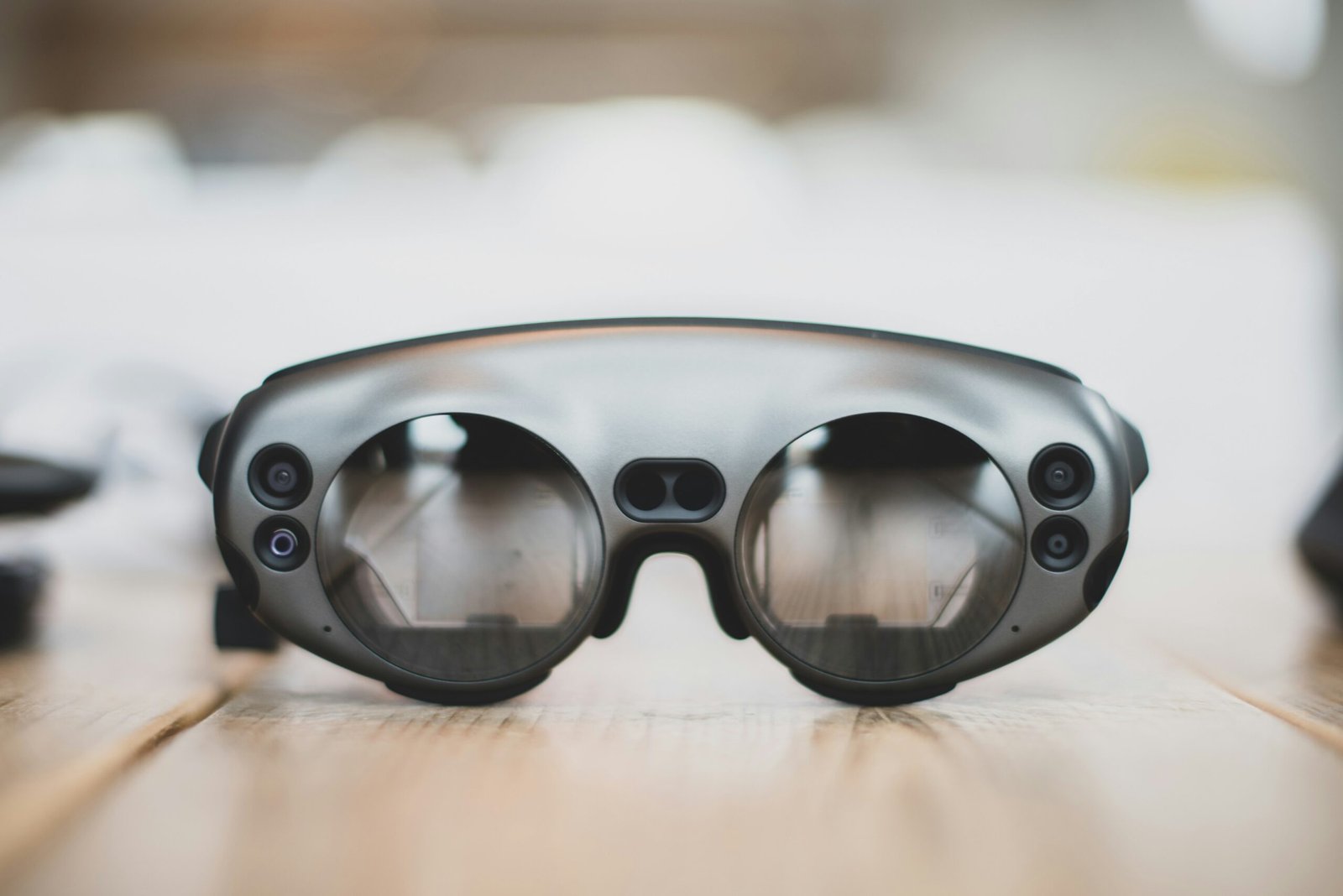
Introduction to AR Glasses and VR Headsets
Augmented Reality (AR) glasses and Virtual Reality (VR) headsets represent two distinct technological advancements that have transformed the way users interact with digital content. While both technologies aim to enhance user experience and immersion, they achieve this in fundamentally different ways.
AR glasses integrate digital information with the real world, overlaying computer-generated images onto the user’s view of their environment. This immersive experience allows users to interact with both their physical surroundings and digital content simultaneously. AR applications have found a range of uses across various sectors, such as retail, education, and healthcare, where users can benefit from data visualizations and interactive learning experiences. For example, in retail, AR glasses can provide customers with additional product information or virtual try-on experiences.
In contrast, VR headsets create entirely virtual environments that replace the user’s surroundings with a computer-generated 3D space. Through the use of advanced sensors and displays, VR technology provides a high level of immersion that can engage users fully in simulated experiences. This makes VR particularly popular in gaming, training simulations, and virtual travel applications. Industries such as military and aerospace often employ VR training to simulate high-stakes scenarios for better preparedness, pursuing enhanced skills development without real-world risks.
The primary differences between AR glasses and VR headsets lie in their target audiences and intended applications. AR is typically designed for scenarios where users need to maintain an awareness of their real environment while integrating digital information. Conversely, VR is tailored for experiences that require complete immersion, allowing users to escape reality and engage with a fully rendered virtual world. Understanding these distinctions is crucial as we explore the adoption rates of these transformative technologies.
Current Adoption Rates of AR and VR Technologies
The landscape of augmented reality (AR) glasses and virtual reality (VR) headsets is evolving rapidly, with distinct adoption rates observed for each technology. Recent market research indicates that while both technologies have garnered interest, their adoption trajectories differ significantly. AR glasses are experiencing a gradual rise in acceptance, particularly in sectors such as healthcare, education, and manufacturing, where enhanced visualization and real-time information overlay are valuable. According to a 2023 survey, approximately 20% of industries reported having integrated AR technology into their operations, driven by the need for improved training and customer engagement.
In contrast, VR headsets see a more accelerated growth curve, primarily fueled by their application in gaming, entertainment, and virtual meetings. Reports suggest that global sales of VR headsets reached 14 million units in 2023, marking an increase of 30% from the previous year. Demographics indicate that younger consumers, particularly those aged 18-35, are more inclined toward adopting VR for recreational purposes, indicating a strong preference for immersive experiences.
Key factors influencing the adoption rates of these technologies include pricing and accessibility. Currently, AR glasses tend to be more expensive relative to VR headsets, discouraging widespread user adoption outside of niche markets. However, advancements in technology are leading to cost reductions, making AR glasses more accessible to a broader range of consumers. Furthermore, the increasing availability of user-friendly platforms for both AR and VR applications enhances their attractiveness, paving the way for future integration into everyday life.
Overall, while AR glasses are gaining traction in professional settings, VR headsets dominate the consumer market. The trajectory of each technology’s adoption reflects varying consumer interests and use cases, demonstrating a unique landscape for AR and VR as they develop and evolve.
Drivers and Barriers to Adoption for AR Glasses and VR Headsets
The adoption of Augmented Reality (AR) glasses and Virtual Reality (VR) headsets is influenced by a variety of factors that can either facilitate or impede their integration into the market. One of the primary drivers of AR glasses adoption is the rapid advancement in technology. Improvements in optics, display technology, and miniaturization have made AR devices more appealing and functional for consumers. Moreover, major companies like Google, Apple, and Microsoft are investing heavily in AR development, signaling a strong commitment to the technology’s future. This corporate backing not only drives innovation but also provides the resources necessary for developing user-friendly applications and features that enhance the overall user experience.
Coupled with technological advancements, the increasing compatibility of AR applications with smartphones has further spurred adoption. Many users are already familiar with mobile applications that utilize AR features, providing a seamless transition to more sophisticated AR devices. This trend is expected to continue as more apps integrate AR capabilities, thus broadening the market reach and user base.
However, despite these positive factors, several barriers still persist that can hinder the adoption of AR glasses and VR headsets. One significant challenge is the high cost associated with these technologies. Many consumers perceive AR glasses and VR headsets as expensive investments, which often leads to hesitation in purchasing. Additionally, the user experience can vary significantly, with some devices offering a less-than-optimal experience that can deter potential users. Furthermore, the perceived value of these technologies varies across different demographics; some may find them invaluable for gaming or professional applications, while others view them as unnecessary gadgets.
By understanding the drivers that promote the adoption of AR glasses and VR headsets alongside the barriers that hinder it, stakeholders can better navigate the evolving landscape of immersive technologies and anticipate future trends in user engagement and market growth.
Future Projections and Trends in AR and VR Adoption Rates
The landscape of augmented reality (AR) and virtual reality (VR) technologies continues to evolve, characterized by notable advancements that are reshaping user experiences. As we look ahead, the adoption rates for AR glasses and VR headsets are anticipated to witness significant growth, driven by ongoing technological innovations and increased consumer awareness. Recent market research suggests that by 2026, the global AR and VR market could experience a compound annual growth rate (CAGR) exceeding 40%, indicating a robust expansion in both consumer and enterprise sectors.
Emerging markets are expected to play a pivotal role in this growth, particularly in regions such as Asia-Pacific, where enhanced internet connectivity and a rise in gaming culture contribute to a favorable environment for VR and AR adoption. An increased emphasis on training and simulation in industries like healthcare, education, and manufacturing further supports the implementation of these technologies. These sectors are increasingly investing in AR glasses and VR headsets to improve employee performance, customer engagement, and hands-on training experiences.
Moreover, the convergence of AR and VR technologies is likely to influence consumer acceptance. By integrating elements of both experiences, we could see the development of mixed reality applications that broaden the scope of usability. Such innovations may create enhanced social interactions, immersive educational tools, and more engaging gaming environments, thus appealing to a wider audience. User experience will be enhanced as devices become more user-friendly, with improved graphical quality and reduced latency, making them more appealing to the general public.
In conclusion, the future of AR glasses and VR headsets appears promising, marked by favorable trends and anticipated innovations. As adoption rates rise, the potential for new applications across various sectors will continue to drive interest and acceptance among consumers. The upcoming years will be crucial in determining how these technologies shape our interaction with digital environments and each other.