









Introduction to the Mechanical Workforce of 2025
The mechanical workforce has undergone significant transformations in recent years, shaped by rapid advancements in technology and evolving market demands. As we approach the year 2025, the landscape of mechanical careers is projected to become even more dynamic, necessitating a reevaluation of the skills that are vital for success in this field. Mechanical workers today find themselves on the cusp of a technological revolution, where traditional mechanical skills are being complemented and, in some cases, replaced by innovative approaches and tools. This shift is driven largely by the advent of automation, artificial intelligence, and advanced manufacturing techniques.
In order to remain competitive, it is crucial for mechanical workers to develop a robust skill set that not only encompasses traditional competencies but also embraces new technologies. The ability to adapt to emerging tools and processes has become paramount, as mechanical systems increasingly integrate digital technologies. Workers well-versed in data analysis, programming, and preventive maintenance will likely find themselves at a distinct advantage in the mechanical workforce of 2025.
The purpose of the survey conducted to gather insights on the skills needed for mechanical workers in 2025 is to illuminate the specific competencies that will define successful mechanical professionals in the near future. Understanding these skills will be essential for educational institutions, training programs, and employers seeking to enhance workforce readiness. By analyzing the data collected, stakeholders can tailor curriculum and training initiatives to align with the anticipated needs of the mechanical workforce. This proactive approach will not only benefit individual workers but also contribute to the overall growth and sustainability of the mechanical industry.
Key Skills Identified for the Mechanical Workforce
The mechanical workforce is undergoing significant transformation, influenced largely by advancements in technology, particularly automation and artificial intelligence (AI). The 2025 survey highlights a range of essential skills that mechanical workers will need to thrive in this evolving landscape. These skills can be categorized into hard skills, which are technical in nature, and soft skills, which encompass interpersonal abilities.
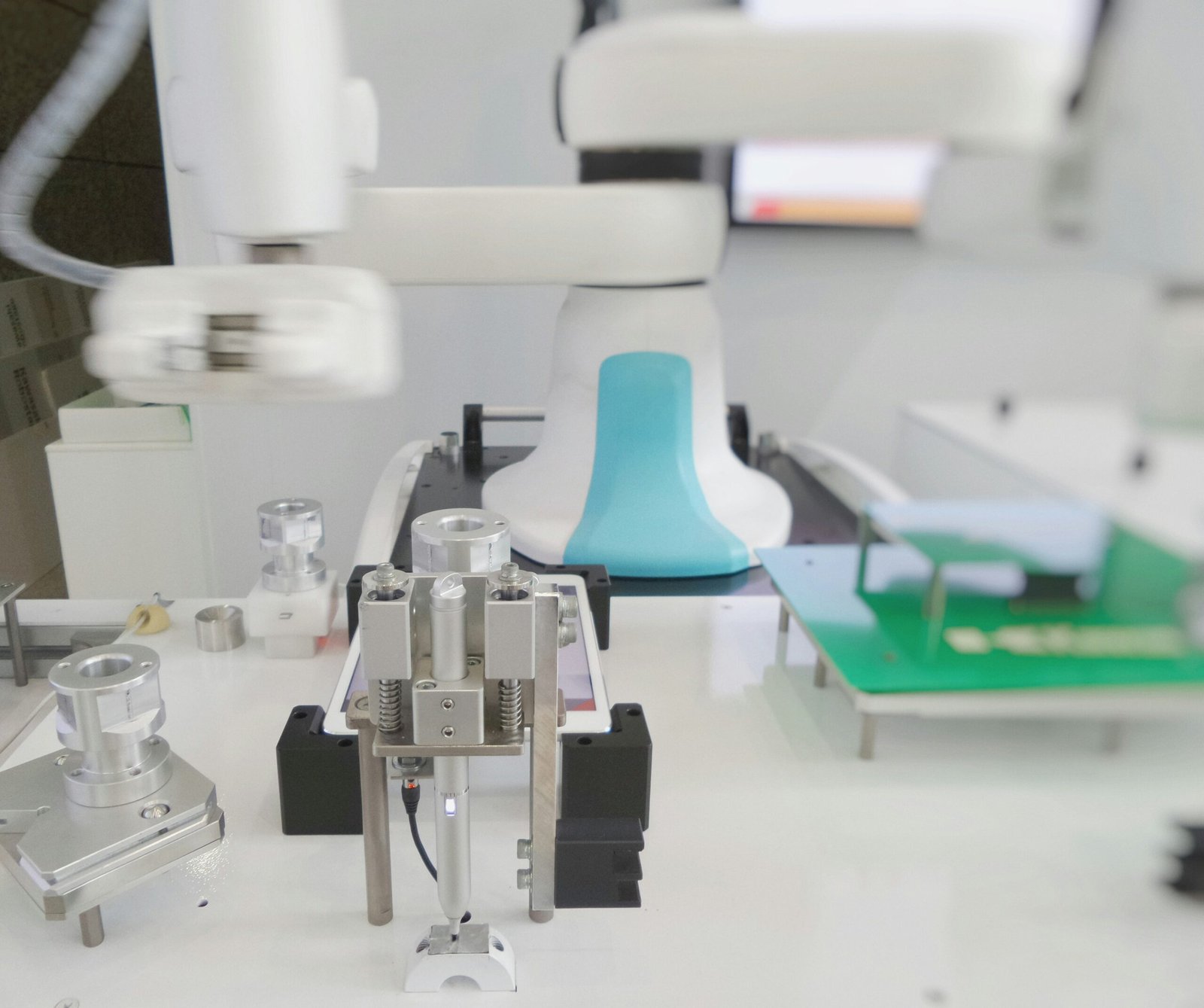
Among the hard skills identified, proficiency in advanced machinery and software stands out as vital. As automation becomes increasingly integrated into mechanical processes, workers must be adept in operating complex machines and utilizing software that manages these systems. This includes familiarity with computer-aided design (CAD) programs and robotics. Moreover, understanding how to interpret data generated by these technologies is paramount. Workers will need to analyze performance metrics to optimize operations, reinforcing the importance of a data-driven approach in mechanical tasks.
Equally important are the soft skills required in the mechanical workforce. Problem-solving skills are essential, as workers will frequently face unexpected challenges in a rapidly changing environment. The ability to think critically and creatively to devise effective solutions will set successful employees apart. Additionally, teamwork capabilities are increasingly prioritized. As projects become more interdisciplinary, effective collaboration among diverse teams is crucial to ensure seamless integration of mechanical systems. This reliance on team-based projects necessitates strong communication skills and adaptability to various working styles.
In conclusion, the mechanical workforce’s skill set is evolving in response to technological advancements. As such, proficiency in advanced machinery and software, along with strong problem-solving and teamwork abilities, are critical for success in the industry by 2025. Preparing for these demands is essential for both workers and employers to navigate an increasingly complex mechanical landscape.
The Role of Education and Training in Workforce Development
As industries evolve and the demand for specific skills increases, educational institutions and technical training programs are adapting to meet these emerging needs. The 2025 survey highlights the significant shift towards equipping the workforce with essential mechanical skills, prompting a closer look at the types of educational initiatives that are becoming prevalent. Key among these are apprenticeships, vocational training, and online courses, each playing a vital role in workforce development.
Apprenticeship programs are garnering renewed interest as they provide hands-on experience and practical training in real-world settings. These programs enable individuals to learn while earning, thus attracting a diverse pool of talent, including young adults and those transitioning between careers. The involvement of industry partners in these apprenticeships ensures that the skills taught are directly aligned with current and future job market needs.
Vocational training is also expanding, with institutions enhancing their curricula to incorporate the latest technological advancements and mechanical skills required in the workforce. Such training programs focus on providing targeted experiences that prepare students for specific roles in manufacturing, engineering, and technical fields. Meanwhile, the rise of online courses is making education more accessible, allowing individuals to tailor their learning experiences according to their schedules and specific skill requirements. This flexibility supports a broader range of learners, including those who may not be able to commit to traditional educational paths.
The collaboration between educational institutions and industries is crucial in creating robust training programs that not only meet workforce demands but also promote continuous development. By investing in education and training, companies can ensure that their employees remain competitive and proficient in a rapidly changing landscape. Overall, a strategic focus on education and workforce training will be essential for bridging the skills gap identified in the survey and preparing the mechanical workforce for the future.
Implications for Employers and Future Workforce Planning
The insights drawn from the 2025 survey highlight the pressing need for employers in the mechanical industry to prioritize effective workforce planning and proactive skill development initiatives. Given the rapid technological advancements and the evolving landscape of mechanical operations, workforce planning must encompass a forward-thinking approach that aligns with industry trends and anticipated skill requirements. Employers need to invest in continuous training programs that equip their employees with the necessary skills to thrive in an increasingly automated environment.
Continuous training serves as a foundation for adapting to changing job roles, particularly with the growing integration of artificial intelligence and robotics in mechanical tasks. Emphasizing lifelong learning is crucial not only for individual employee growth but also for the resilience of the organization. By fostering a culture of ongoing education and skill enhancement, employers can mitigate potential skill gaps that may arise due to technological disruptions in the mechanical sector.
However, attracting and retaining skilled workers poses significant challenges for employers. The competition for talent is fierce, particularly as younger generations seek opportunities that offer meaningful work and professional development. Employers must position themselves as attractive workplaces by showcasing their commitment to employee growth through comprehensive training programs and career advancement opportunities. Implementing mentorship programs can also be beneficial in bridging the gap between seasoned professionals and newer entrants into the field.
Moreover, developing partnerships with educational institutions can facilitate the creation of tailored training courses that meet specific industry needs. Such collaborations can ensure a steady pipeline of skilled workers who are prepared to meet the demands of tomorrow’s mechanical workforce. In conclusion, by prioritizing workforce planning and investing in skills development, employers can overcome current challenges, ultimately fostering a future-ready workforce capable of addressing the demands of the evolving mechanical industry.