









Introduction to Smart Medical Devices
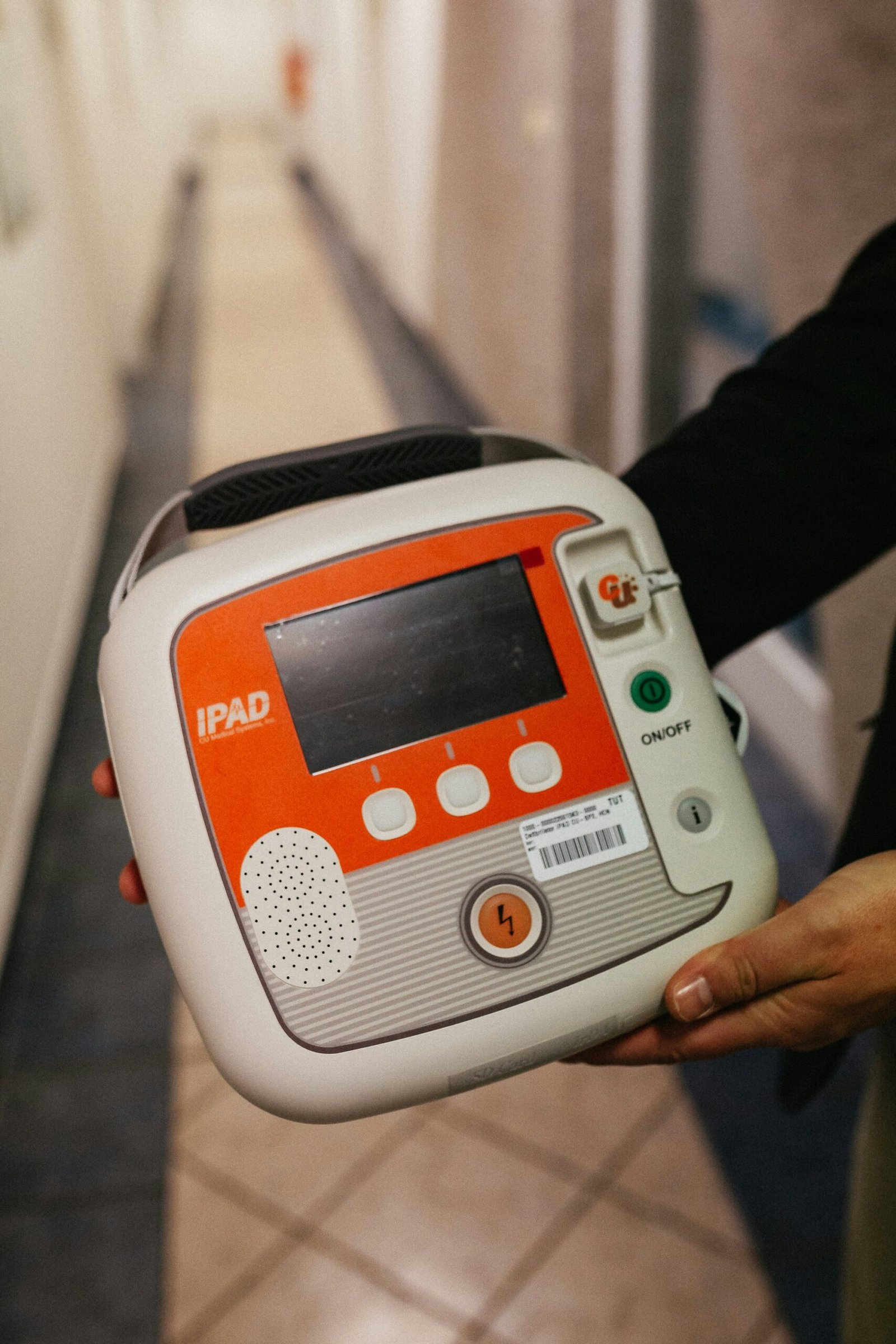
Smart medical devices represent an innovative fusion of technology and healthcare, significantly transforming the landscape of patient care. These devices, which include a wide range of tools such as wearables, remote monitoring systems, and mobile health applications, are designed to enhance patient engagement, streamline medical processes, and improve health outcomes. Their primary function is to monitor a person’s health metrics in real-time, offering both patients and healthcare providers immediate access to valuable health data.
The benefits of smart medical devices are multifaceted. For instance, wearables like fitness trackers and smartwatches enable users to monitor vital signs such as heart rate, sleep patterns, and physical activity levels. Similarly, remote monitoring tools allow healthcare professionals to track patients with chronic conditions, facilitating timely interventions without the need for frequent in-person visits. This capability is particularly advantageous in managing diseases like diabetes and hypertension, where continuous monitoring is essential for effective treatment.
As smart medical devices increasingly become integrated into everyday life, consumer trust emerges as a crucial aspect of their success. The efficacy of these technologies hinges not only on their functionality but also on user confidence in their security and reliability. Patients must feel assured that their personal health data is protected and that these devices provide accurate information. Consequently, understanding consumer perceptions regarding smart medical devices is vital for fostering acceptance and encouraging widespread adoption.
In this context, the recent survey sheds light on the current state of consumer trust in smart medical devices. By analyzing the insights gathered, we can better appreciate the implications for future healthcare practices and the role of these innovative technologies in shaping the patient experience.
Survey Methodology and Key Demographics
The survey investigating consumer trust in smart medical devices was conducted utilizing a quantitative research methodology. A total of 1,500 respondents participated, selected through stratified random sampling to ensure representativity across various demographic segments. Key demographics focused on included age, gender, geographic location, and prior experience with medical technologies. This methodology aimed to create a comprehensive understanding of the population’s attitudes toward smart medical devices, thereby generating insights that are both accurate and meaningful.
The sample size was deliberately chosen to provide a marginal error of less than 3%, thus ensuring the reliability of the data collected. The respondents were balanced in terms of gender, with 50% male and 50% female participants. In terms of age distribution, participants ranged from 18 to over 65, categorized into distinct groups: 18-34 years, 35-49 years, 50-64 years, and 65 years and older. Such a diverse age range allowed for nuanced insights into how trust varies across different life stages.
Geographically, the respondents represented urban, suburban, and rural areas, ensuring that the findings reflect the experiences and opinions of individuals from varying locales. To assess prior experience with medical technologies, participants were queried about their previous interactions with telehealth services, wearables, and other smart medical devices.
Specific questions asked within the survey encompassed various dimensions of consumer trust, including perceived reliability, safety concerns, and privacy issues associated with smart medical devices. Additionally, respondents were encouraged to share their personal experiences, helping to contextualize the quantitative data with rich, qualitative insights. This comprehensive approach ultimately aimed to facilitate informed discussions about the implications of consumer trust in the rapidly evolving landscape of smart medical technologies.
Findings on Consumer Trust and Concerns
The recent survey on consumer trust in smart medical devices has produced nuanced insights into how these technologies are viewed by the public. The results indicate that, while there is a significant level of trust in the reliability and effectiveness of smart medical devices, concerns surrounding privacy and data security remain prominent. Approximately 65% of respondents expressed confidence in the operational efficiency of these devices, highlighting a general optimism towards their capabilities. However, this sentiment is tempered by apprehensions regarding personal data protection, which was cited by over 70% of participants as a major issue.
Demographic analysis reveals interesting variations in trust levels. Younger respondents, particularly those aged 18 to 34, tend to exhibit higher levels of trust compared to older consumers. This group often views technological engagement as integral to their health management. Conversely, individuals over 55 years old showed a significant amount of skepticism, often rooted in concerns related to their previous experiences with technology. Furthermore, those who have previously used smart medical devices reported a greater sense of assurance than first-time users, suggesting that familiarity may foster trust.
Common concerns voiced by participants also encompassed the potential for device malfunction, with nearly half indicating skepticism about the reliability of these technologies in critical situations. The fear of being unable to access crucial health information due to technical failure was frequently mentioned. There were additional concerns regarding the ethical dimensions of data utilization, with many participants questioning how their health data might be shared or exploited by third parties. Such findings underscore the importance of addressing these privacy issues in the development and promotion of smart medical devices, as they play a pivotal role in establishing consumer confidence.
Implications for Manufacturers and Healthcare Providers
The survey findings regarding consumer trust in smart medical devices carry substantial implications for both manufacturers and healthcare providers. Understanding the levels of trust can inform strategic decisions in the design, development, and marketing of these innovative health solutions. Manufacturers must prioritize consumer confidence by incorporating feedback from the survey findings into their product design and functionality. This can include investing in advanced security measures to protect personal health data and ensuring that devices are user-friendly and accessible for a diverse demographic.
Furthermore, transparency in data handling is essential for enhancing consumer confidence. By being upfront about how data is collected, stored, and used, manufacturers can alleviate concerns surrounding privacy and security. This commitment to transparency should be communicated clearly in marketing materials and during the onboarding process for new users. Healthcare providers also have a role in reinforcing this message, ensuring that patients feel secure in the technology being used to monitor their health.
User education is another critical aspect. Both manufacturers and healthcare providers should invest in comprehensive training and informational resources for consumers. By demystifying the technology, explaining its functionalities, and detailing safety measures, they can build trust and encourage proper usage. Proactive communication regarding safety protocols and device updates is vital in maintaining an ongoing relationship with consumers, helping them feel supported and informed.
As consumer trust continues to evolve, we can expect trends such as increased demand for smart medical devices incorporating more robust security features and catered educational resources. Long-term adherence to these strategies will not only foster loyalty but will also position manufacturers and healthcare providers as leaders in innovation and consumer care in this rapidly developing market.