










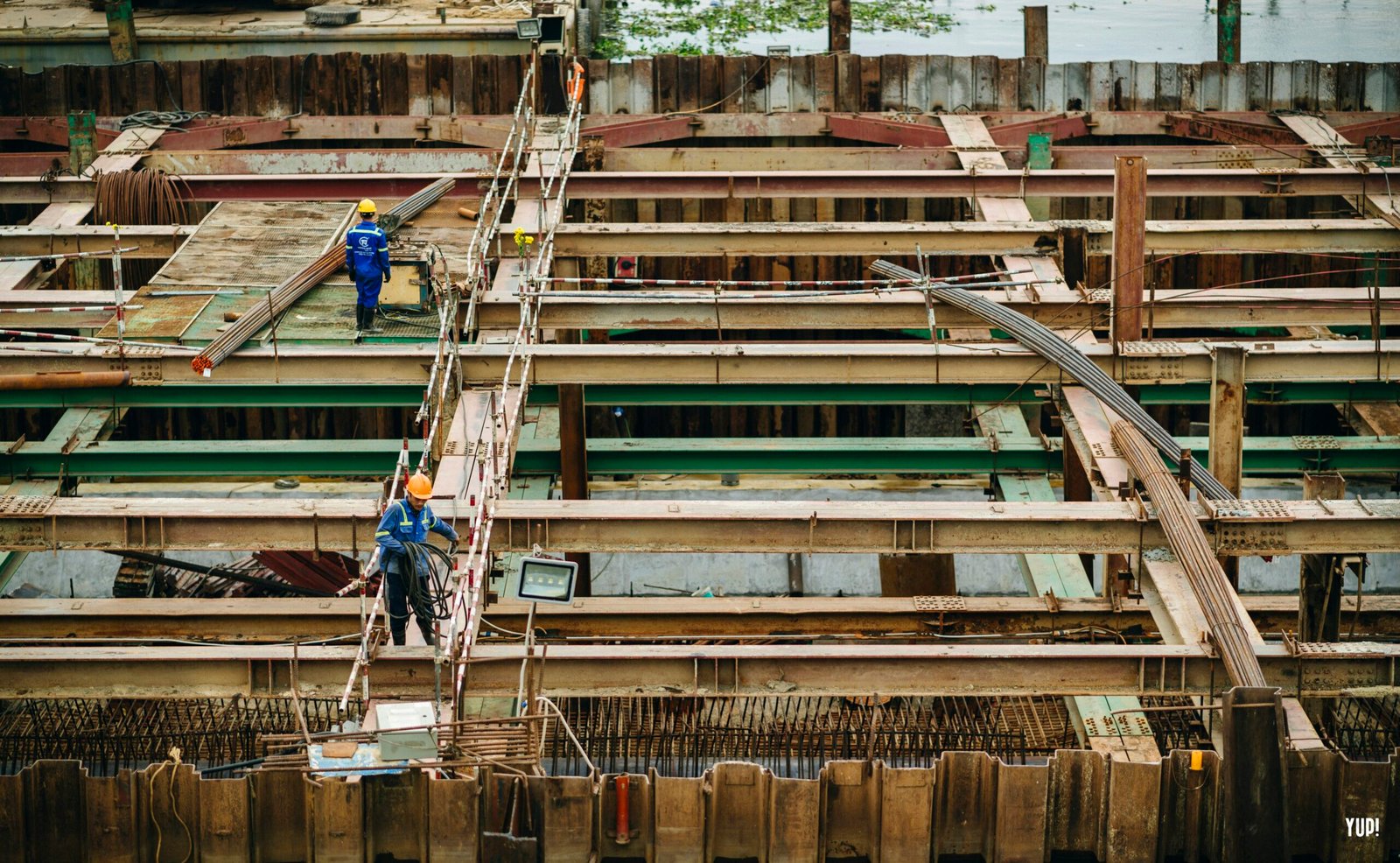
Introduction to Workforce Trends in General Construction
The general construction industry plays a pivotal role in economic development, acting as the backbone of infrastructural progress in society. As the landscape of construction continues to evolve, it becomes increasingly important to analyze workforce trends that shape the industry. This analysis provides insights into the factors affecting the availability of skilled labor, the demographic shifts within the workforce, and the ever-growing influence of technology on construction practices.
Current challenges faced by the construction workforce include a notable skill shortage, exacerbated by an aging workforce and insufficient vocational training programs. Many experienced workers are retiring, leaving an urgent need for fresh talent equipped with the necessary skills. Furthermore, the educational pipeline does not always align with the practical demands of the industry, leading to a gap between available job positions and qualified candidates. This disparity highlights the significance of understanding workforce trends to devise effective strategies for attracting and retaining skilled professionals.
Demographic shifts also play a significant role in transforming the construction workforce. An increasingly diverse population is entering the field, bringing different perspectives and innovation opportunities. The need for inclusivity in hiring practices is now greater than ever, as construction companies strive to build teams that reflect the communities they serve. Embracing this diversity not only enriches the workplace culture but can also enhance project outcomes through varied approaches to problem-solving.
Lastly, technology continues to revolutionize construction methodologies, pushing for a more efficient and productive workforce. Automation, digital tools, and innovative construction techniques are altering traditional roles, necessitating a workforce that is adaptable and technologically proficient. Understanding these workforce trends in general construction is vital for businesses aiming to thrive in a competitive marketplace and play a significant role in shaping the industry’s future.
Key Findings from the Survey
The survey conducted on workforce trends in general construction has illuminated several critical statistics regarding employment rates, job vacancies, and worker retention. As the construction industry evolves, understanding these trends is essential for stakeholders looking to navigate the challenges within this sector. One significant finding reveals that the employment rate in the general construction workforce has reached approximately 88%, suggesting a relatively stable job market for workers. However, despite this overall employment stability, the survey identified a troubling trend: a notable increase in job vacancies, with 29% of employers reporting difficulties in filling open positions. This gap highlights the need for targeted recruitment strategies and enhanced training programs.
In terms of worker demographics, the survey provides valuable insights into the age, gender, and education levels of individuals within the construction industry. It was found that a substantial portion of the workforce comprises individuals aged 25 to 34, accounting for about 35% of respondents. This suggests that younger workers are becoming increasingly pivotal to the labor force. Conversely, the data indicated a concerning gender imbalance, with women representing only 10% of the total workforce. This statistic underscores the ongoing challenges in promoting gender diversity within the field.
Educational attainment also plays a crucial role in shaping workforce trends. The survey shows that around 40% of construction workers possess a high school diploma, while approximately 25% have completed some form of post-secondary education or vocational training. These figures demonstrate a correlation between educational background and job opportunities, highlighting the importance of educational initiatives aimed at enhancing the skill sets of current and future workers in the general construction sector. Collectively, these findings offer a comprehensive view of the current state of the workforce in construction, indicating areas for growth and development.
Challenges Facing the Construction Workforce
The general construction industry has been facing a multitude of challenges related to its workforce, which have significant implications for project timelines, costs, and overall growth. One of the most pressing issues is the ongoing labor shortage. With a declining number of available skilled workers entering the field, construction companies are struggling to meet the increasing demand for construction services. This shortage not only impacts project delivery but also escalates labor costs as employers compete to attract qualified talent.
Compounding this issue is the aging workforce. A significant portion of the current workforce is nearing retirement age, and as these experienced professionals leave, their specialized skills and knowledge are lost to the industry. This demographic shift creates a gap in expertise that younger, less experienced workers are often unable to fill immediately. Consequently, leaders within the construction sector are being forced to adopt strategies that bridge this skills gap and mentor younger workers to ensure continuity in craftsmanship and operational standards.
Safety concerns also pose challenges, with construction sites being inherently hazardous environments. High injury rates require companies to invest heavily in safety training and equipment, which can strain budgets and resources. Moreover, maintaining compliance with safety regulations is essential, and failure to do so can result in increased liability and project delays.
Lastly, the need for upskilling the existing workforce has become increasingly important. As construction technologies evolve, workers must be trained in new tools, materials, and methods. Upskilling initiatives can help address labor shortages and safety concerns by enhancing the capabilities of the current workforce, thereby equipping them to handle a variety of tasks more efficiently.
In recognizing these challenges, stakeholders within the construction industry can begin to devise effective solutions, ensuring that the workforce remains capable and resilient.
Future Trends and Solutions for the Construction Workforce
The construction industry is poised for significant evolution as it navigates through challenges related to workforce shortages and skill gaps. One notable trend is the increased integration of emerging technologies such as Building Information Modeling (BIM), robotics, and artificial intelligence (AI). These technologies not only enhance efficiency and safety on job sites but also demand a workforce equipped with modern skills. Companies are encouraged to adopt these technologies while simultaneously investing in their employees’ training to ensure they are adept in utilizing advanced tools.
Attracting and retaining talent is another critical issue that industry stakeholders must address. It is essential to promote a supportive and inclusive work environment that values diversity. Efforts should be concentrated on outreach programs targeting underrepresented groups, including women and minorities. Implementing mentorship and development programs can help young professionals navigate career paths in construction, fostering a more inclusive and engaged workforce.
Additionally, strategic partnerships with educational institutions can play a pivotal role in preparing the next generation for careers in construction. By collaborating with vocational schools and universities, construction companies can contribute to curriculum development that aligns with industry needs. These partnerships can also facilitate internships and apprenticeship programs that provide hands-on experience, making students more attractive candidates upon graduation.
The development of comprehensive training programs is also vital. Continuous education allows workers to adapt to new technologies and methodologies, ensuring that the workforce remains competitive and skilled. Organizations should explore initiatives that offer upskilling opportunities and certifications tailored to emerging construction trends.
In conclusion, the construction workforce faces various challenges that can be mitigated through embracing technology, fostering inclusivity, and enhancing educational partnerships. By prioritizing these strategies, stakeholders can build a future-ready workforce equipped to tackle the demands of the evolving construction landscape.