









Introduction to Demolition Services
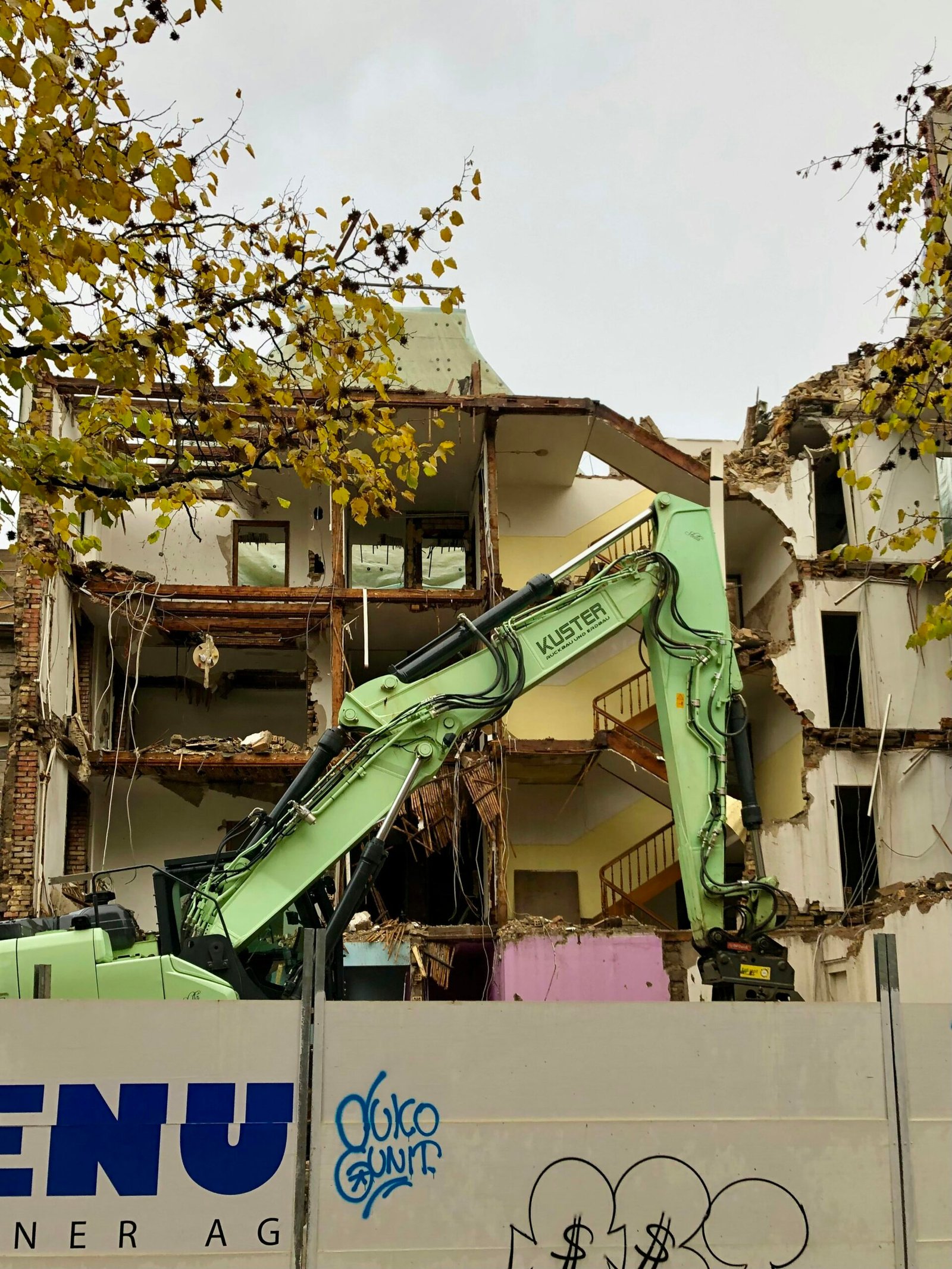
Demolition services play a critical role in the urban landscape, facilitating the systematic dismantling of structures for various purposes, including residential, commercial, and industrial projects. These services not only pave the way for new construction but also contribute significantly to urban renewal and development initiatives. Within this sector, several types of demolition exist, each tailored to meet specific project requirements and the unique characteristics of the structures involved.
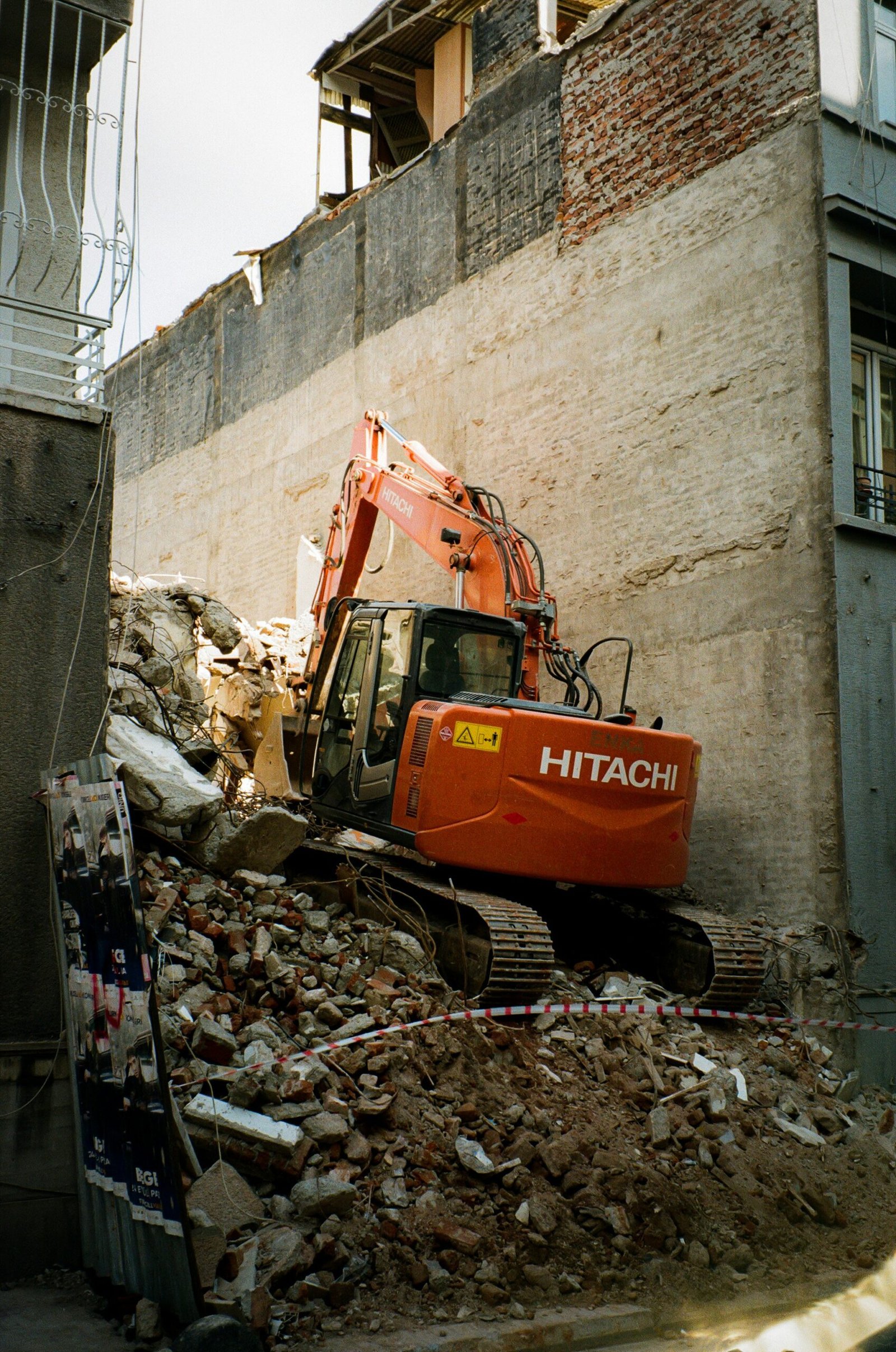
Residential demolition typically involves the removal of single-family homes or multi-family units, necessitating techniques that prioritize safety and minimize disruption to surrounding areas. Commercial demolition, on the other hand, pertains to larger buildings, such as offices and retail spaces, where adherence to strict safety protocols is paramount due to the potential risks involved. Industrial demolition may include the dismantling of factories or warehouses, often demanding specialized knowledge to handle complex machinery and hazardous materials, thereby underscoring the importance of trained professionals in this field.
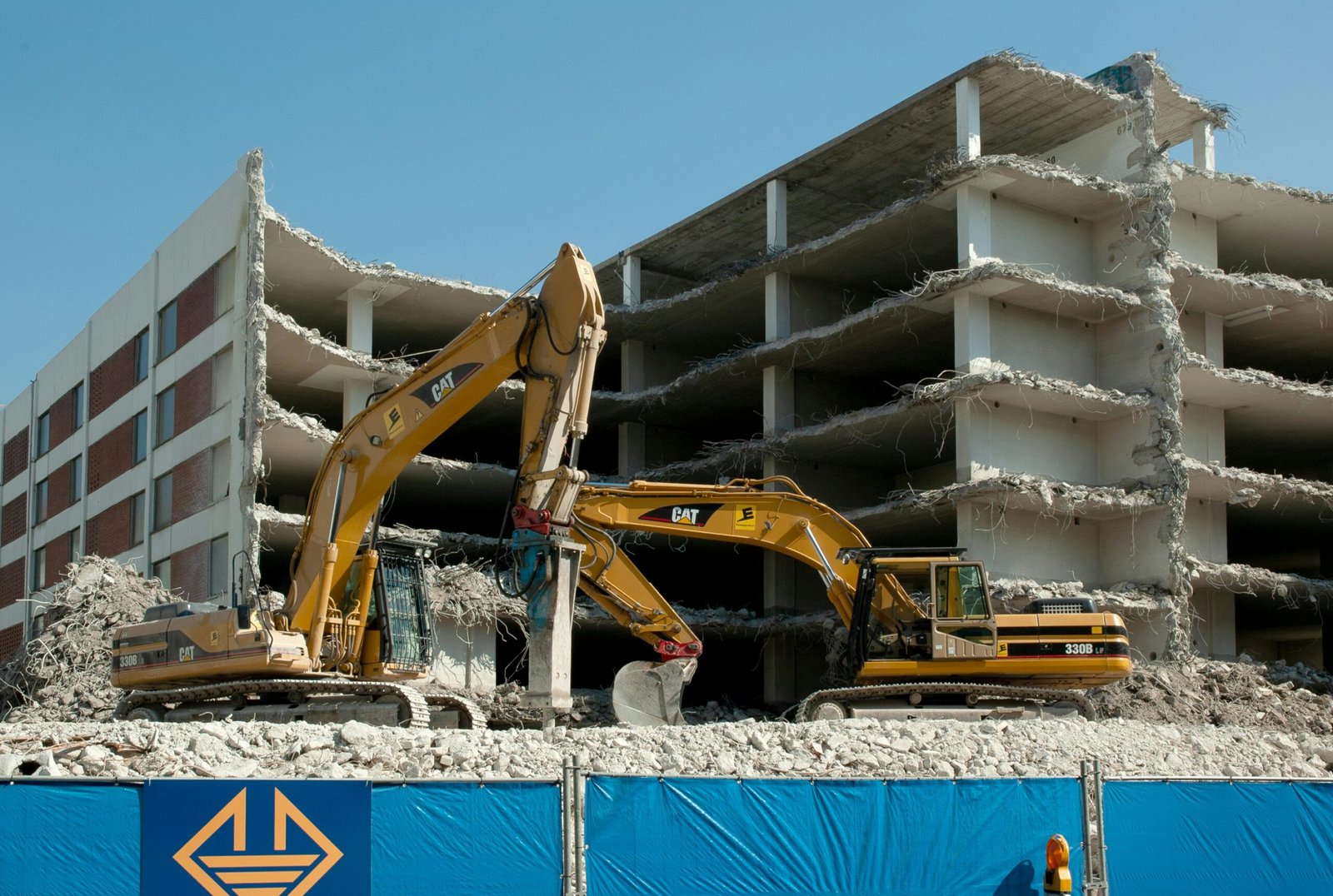
A range of methods is employed in demolition services, including mechanical demolition, which utilizes heavy equipment, and controlled demolition, which may involve explosives for precise structural removal. Regardless of the technique utilized, safety protocols must be strictly followed to protect workers and the public, ensuring that the process is executed without incident.
Additionally, the importance of environmental sustainability in demolition has gained prominence in recent years. Many organizations are now implementing recycling measures, salvaging materials to minimize waste and reduce the environmental impact of demolition activities. Historical trends, such as the shift from traditional to more modern demolition techniques, have also influenced current practices. As urban areas continue to evolve, so too does the demand for effective demolition services that address both developmental needs and environmental concerns.
Key Findings from the Global Trends Survey
The latest survey on global trends in demolition services has revealed significant insights into the frequency and characteristics of demolitions across various regions. Notably, 42% of respondents indicated that the primary reason for demolition is related to rebuilding efforts. This finding underscores the ongoing demand for new construction projects, which often necessitate the removal of older structures. In addition, 27% of the surveyed professionals reported that repairs and refurbishments are key motivators for demolition, reflecting a shift towards renovating existing buildings rather than constructing new ones from the ground up.
Environmental regulations have also emerged as a critical factor influencing demolition practices. Approximately 18% of participants cited compliance with environmental standards as a driving force for their demolition activities. This trend indicates a growing emphasis on sustainable demolition methods, such as recycling materials and minimizing waste. Furthermore, 13% of respondents identified the need to clear land for urban development as a significant reason for demolishing structures, highlighting the ongoing evolution of urban spaces globally.
<ptechnological 25%="" 35%="" a="" advanced="" advancements="" also="" and="" approaches="" approximately="" are="" as="" automated="" being="" but="" by="" demolition="" digital="" drones="" efficiency="" emerging="" enhance="" highlighted="" improve="" in="" increasingly="" indicating="" industry.="" innovative="" integrated="" interest="" into="" machinery="" management="" more="" not="" noted="" of="" only="" outcomes.="" overall="" p="" participants,="" pivotal="" playing="" processes.="" project="" protocols="" respondents="" rising="" role="" safety="" services.<poverall, a="" and="" blend="" by="" cater="" consumer="" demolition="" dynamic="" environments.
Impact of Technological Advancements on Demolition
The demolition industry is undergoing a significant transformation due to technological advancements, enhancing the way projects are undertaken and executed. Innovations such as robotics and advanced machinery are at the forefront of this revolution, enabling demolition services to operate with improved precision and efficiency. Traditional methods often posed risks and inefficiencies; however, the introduction of robotic equipment allows for a safer working environment. These machines can perform precise demolitions in confined spaces, effectively minimizing risks to human workers while maximizing productivity.
Moreover, eco-friendly demolition techniques have gained traction in recent years, aligning with the global push towards sustainability. Strategies such as selective demolition, where only specified parts of a structure are dismantled, allow for material recovery and recycling. This not only reduces waste but also conserves resources, reflecting a growing commitment to environmentally responsible practices within the demolition sector.
Despite these advances, the industry faces challenges in integrating new technologies. Resistance to change among workers and a lack of adequate training for operating sophisticated machinery can hinder the adoption of innovative practices. Additionally, financial investments are required to equip teams with the latest tools, which may be a barrier for smaller firms. However, addressing these challenges is crucial as the industry moves towards a more technologically advanced future.
Looking forward, trends such as artificial intelligence and enhanced data analytics are expected to further revolutionize demolition services. These technologies can enable better project management, predictive maintenance, and operational efficiencies. As the sector embraces these innovations, the workforce will likely undergo changes, necessitating new skills and expertise. By preparing for these technological shifts, the demolition industry can enhance its overall effectiveness and sustainability, paving the way for a more efficient future.
Future Outlook for the Demolition Industry
The demolition industry is poised for significant evolution in the coming years, driven by a combination of market demands, regulatory shifts, and an increased emphasis on sustainability. According to the latest survey data, the sector is expected to experience substantial market growth as urbanization and infrastructure development continue to rise globally. As cities expand and older structures give way to new developments, the need for demolition services will likely increase, presenting ample opportunities for industry players.
In tandem with growth prospects, regulatory changes will play a critical role in shaping the future of demolition practices. Governments worldwide are tightening regulations regarding construction site safety, waste management, and environmental concerns. This necessitates that demolition companies invest in compliance and adapt swiftly to new standards. An emphasis on safer work environments may drive the adoption of advanced demolition technologies, such as robotics and automation, which can mitigate potential risks to workers while enhancing efficiency.
Another key factor influencing the industry’s trajectory is the focus on sustainability. The rising call for eco-friendly practices has led to the emergence of greener demolition methods, which prioritize recycling and repurposing materials. The efficient management of waste materials not only reduces landfill impacts but also provides various economic benefits. Consequently, companies that proactively implement sustainable demolition strategies are likely to gain a competitive edge.
However, the industry is not without challenges. Potential labor shortages may arise due to an aging workforce and the need for skilled workers familiar with modern demolition techniques. Additionally, evolving safety standards necessitate continuous training and development for employees, which requires investment. As the demolition sector navigates these complexities, it is essential for stakeholders to remain agile and proactive in adapting to the ever-changing landscape of the construction ecosystem.