










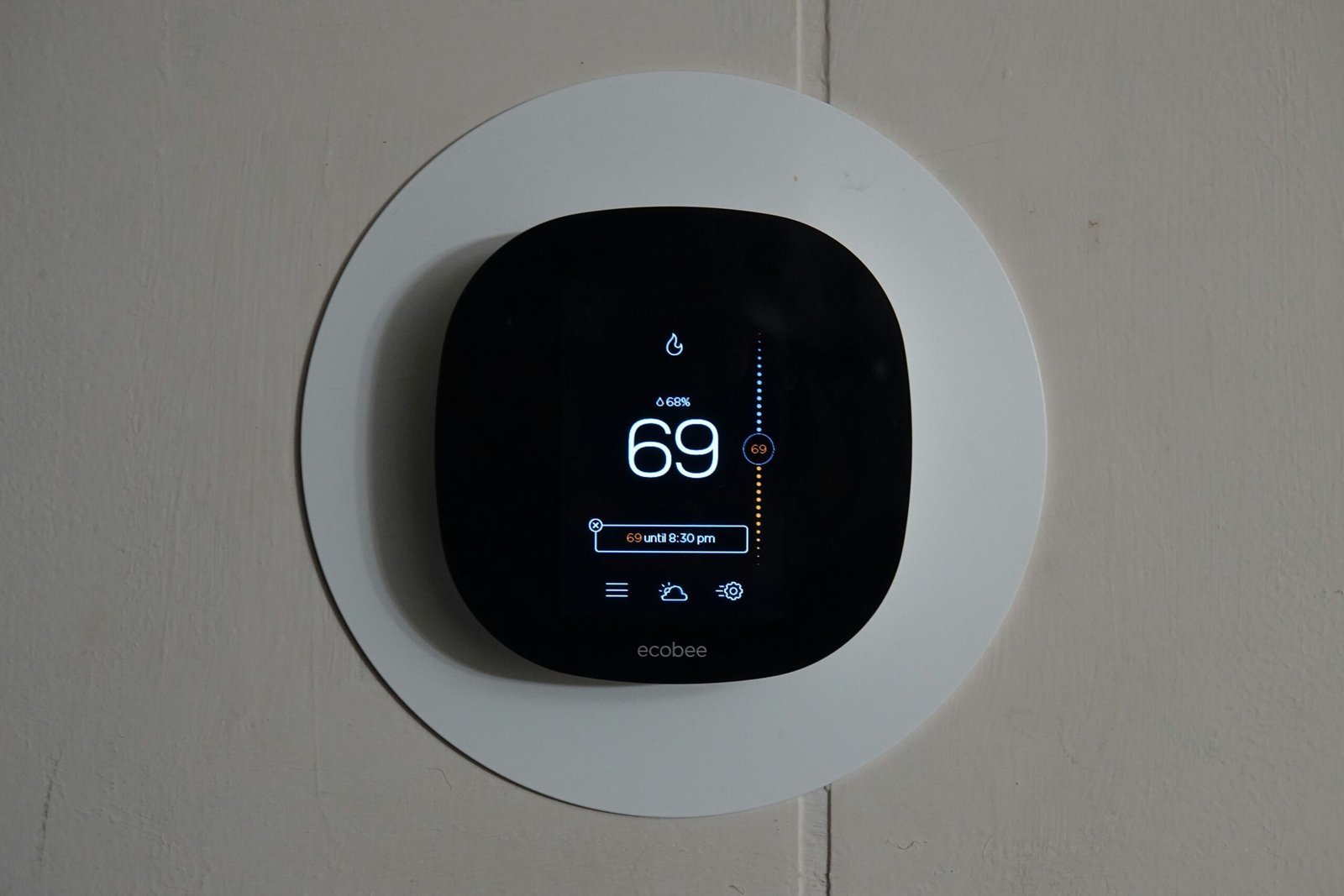
Introduction to Smart HVAC Systems
Smart HVAC systems represent a significant advancement in the heating, ventilation, and air conditioning industry, providing enhanced functionality and management compared to traditional systems. Unlike conventional HVAC systems, which require manual operation and do not adapt to changing conditions effectively, smart HVAC systems utilize advanced technology to optimize energy use, improve comfort, and promote convenience. These systems leverage sensors, automation, and connectivity to create an integrated environment that actively responds to user preferences and external factors.
The growing relevance of smart technology in residential and commercial settings can be attributed to the increasing demand for energy efficiency and environmental sustainability. By intelligently adjusting temperature and airflow based on real-time data, smart HVAC systems contribute to significant energy savings, reducing overall utility costs. These systems can be controlled remotely through smartphones or other connected devices, allowing users to manage indoor climates with ease and accuracy. As a result, these innovations not only enhance comfort and convenience but also support sustainability efforts by minimizing energy consumption.
Furthermore, the integration of smart HVAC technology can lead to improved indoor air quality, which is becoming increasingly important in the context of public health and comfort. Automated ventilation and filtration systems can dynamically adjust based on occupancy levels and air quality, ensuring that indoor environments remain healthy and pleasant. Given these numerous advantages, understanding consumer preferences in smart HVAC systems is essential for manufacturers and service providers who seek to align their offerings with market demands.
This introduction sets the stage for exploring the survey findings that illuminate consumer attitudes and preferences regarding smart HVAC solutions, emphasizing the importance of tailoring products and services to meet these evolving needs.
Methodology of the Consumer Preferences Survey
The consumer preferences survey focused on gathering insights into the purchasing motivations and priorities regarding smart HVAC systems. To ensure that the survey was representative of the broader population, the target audience consisted of homeowners and renters aged 25-65, with an emphasis on those who had shown interest in energy-efficient home technologies. This age range was chosen to capture a diverse demographic that could provide valuable perspectives regarding smart HVAC systems.
A stratified sampling technique was employed to select participants from various geographical regions and socioeconomic backgrounds, enhancing the validity of the findings. This method allowed researchers to categorize respondents based on demographic factors such as age, location, and income level, ensuring a well-rounded representation of consumer preferences. A sample size of 1,000 respondents was deemed sufficient for robust statistical analysis, thus leading to reliable interpretations of the data.
The survey incorporated various types of questions to delve into specific areas of interest. Among these were closed-ended questions regarding preferred features such as energy efficiency, smart technology integration, ease of use, and sustainability aspects of HVAC systems. Additionally, questions concerning pricing sensitivity, brand recognition, and environmental concerns were included to gauge the overall priorities of consumers. This structured approach facilitated an in-depth analysis of consumer behavior and preferences.
Data collection was conducted through online surveys, which allowed for a wide reach and facilitated responses from a broad audience. Upon completion of data collection, statistical analysis techniques were employed to interpret the results. However, it is essential to acknowledge potential biases, including the self-selection bias inherent in online surveys where participants might have a pre-existing interest in smart technologies. Recognizing these limitations is crucial for contextualizing the findings and understanding consumer preferences in smart HVAC systems.
Key Findings on Consumer Preferences
The survey conducted on consumer preferences in smart HVAC systems presented several noteworthy findings that illuminate the evolving landscape of this technology. Among the most desired features, respondents overwhelmingly indicated a preference for remote control capabilities. This feature enables users to manage their HVAC systems conveniently from their smartphones or tablets, providing improved comfort and energy efficiency. Energy monitoring emerged as another critical factor, as consumers increasingly seek insights into their energy consumption patterns. This desire for transparency reflects a growing emphasis on sustainability and cost savings.
Integration with existing smart home systems also ranked highly among preferences. Consumers are looking for seamless compatibility with devices such as smart speakers, security systems, and smart lighting, indicating that they value a cohesive ecosystem within their home environments. The ease of integrating HVAC systems with other smart devices enhances user experience and reinforces the appeal of modern HVAC technology.
Price sensitivity remains a significant aspect of consumer preferences. The survey revealed that while many consumers are willing to invest in smart HVAC systems, they expect a reasonable return on investment through energy savings and enhanced functionality. Variances in price sensitivity were noted, particularly among different demographic groups. Younger consumers, especially those in the millennial age range, demonstrated a greater willingness to prioritize technology over cost, reflecting their adaptability to new innovations.
Brand loyalty also played a role in consumer decision-making. Established HVAC companies with a strong reputation for quality and reliability tended to attract a loyal customer base, even as new entrants emerged in the smart technology space. Furthermore, awareness of smart HVAC options varied significantly across demographics, with younger consumers showing greater familiarity compared to older generations, which suggests that educational outreach may be necessary to bridge the knowledge gap.
Implications for the HVAC Industry and Future Trends
The findings from the comprehensive survey on consumer preferences in smart HVAC systems carry significant implications for stakeholders in the HVAC industry, including manufacturers, retailers, and service providers. Understanding these preferences can drive product development, ensuring that offerings align closely with consumer expectations regarding efficiency, automation, and usability. For manufacturers, this means innovating technologies that enhance energy efficiency while also providing advanced connectivity features, such as smart home integration.
Furthermore, insights gleaned from consumer feedback can inform marketing strategies tailored to highlight key features that resonate with potential buyers. Educating consumers about the benefits of smart HVAC technology—such as heightened comfort, energy savings, and environmental sustainability—will become increasingly important. Retailers can adapt their sales techniques to emphasize these features, making them more compelling to a demographic that values both functionality and eco-friendliness.
Service providers, too, must recognize the shifting landscape. As consumers become more tech-savvy, the demand for support and installation services will require a shift in customer service initiatives. Training personnel to address technical questions about smart HVAC systems will be vital, particularly as consumers expect responsive, knowledgeable service.
In terms of future trends, the rise of sustainability in consumer behaviors cannot be overlooked. The HVAC industry must adapt to increasing demands for environmentally responsible products and practices. This includes exploring renewable energy sources, such as solar-powered heating and cooling systems, and enhancing the recyclability of HVAC components. As smart technology continues to evolve, integration with renewable energy systems could become a driving factor in product design and consumer preference, shaping the industry’s trajectory moving forward.