









Understanding Augmented Reality in Retail
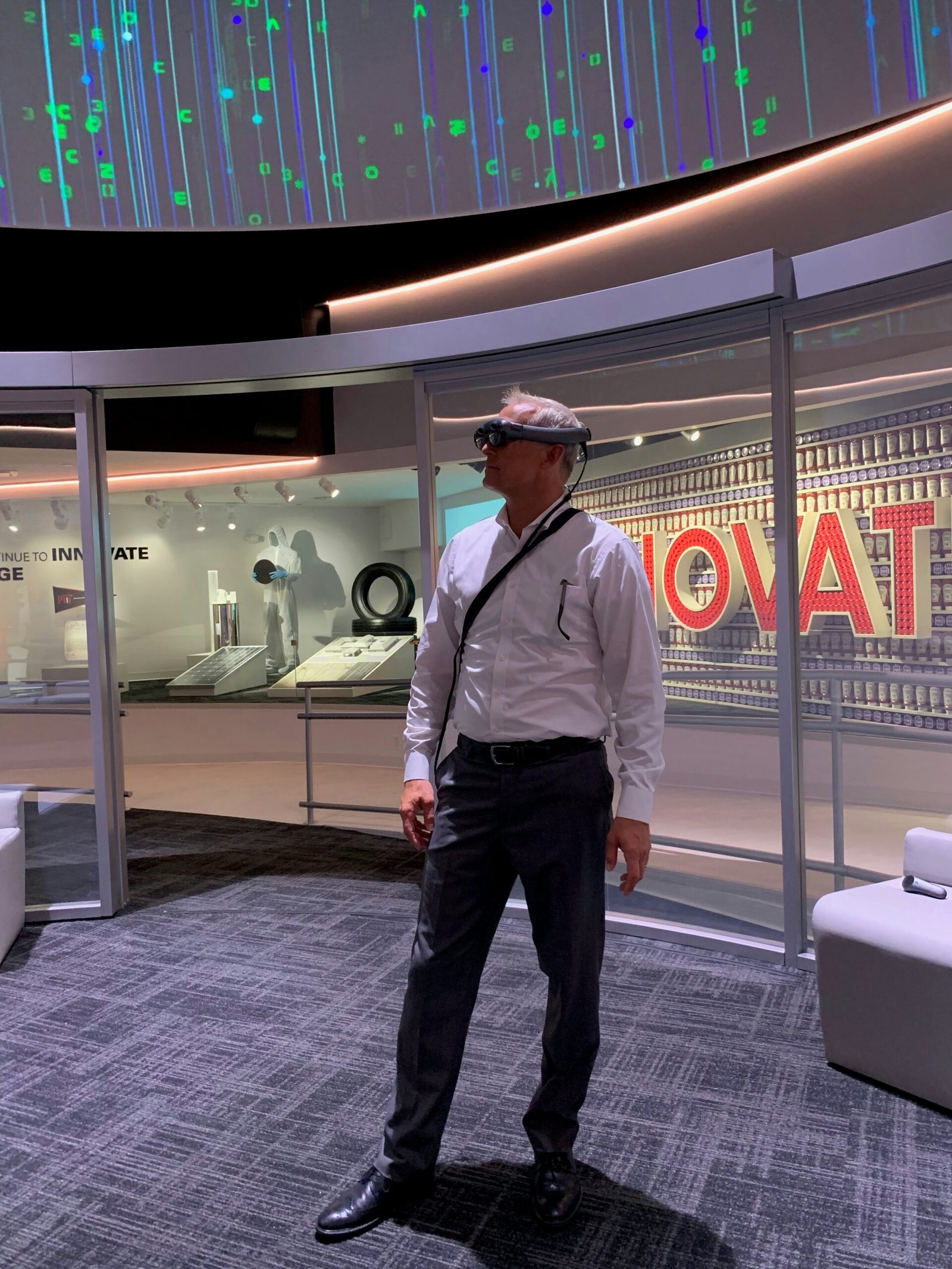
Augmented reality (AR) represents a transformative approach that blends digital information with the physical world, providing an enhanced perception of reality. This technology overlays virtual elements onto the real environment, allowing users to interact with digital content through devices like smartphones or AR glasses. In the retail sector, AR has emerged as a pivotal tool, particularly in the context of virtual fitting rooms, revolutionizing how consumers engage with products before making purchasing decisions.
At its core, augmented reality in retail leverages computer-generated imagery (CGI) to create lifelike representations of products, ranging from clothing to accessories. By utilizing advanced techniques like image recognition and depth tracking, AR systems can accurately position digital objects in real-time. This accuracy significantly improves the online shopping experience, offering customers the ability to visualize how items would appear on them without the need for physical trials.
The significance of augmented reality in enhancing the shopping experience cannot be overstated. Traditional fitting rooms often posed challenges such as limited space, lighting issues, and time constraints. In contrast, virtual fitting rooms address these limitations by allowing users to try on various products from the comfort of their homes. This innovative approach not only streamlines the shopping process but also fosters greater confidence in purchasing decisions, as customers can see how different styles and sizes suit them without the inconvenience of changing rooms.
The evolution of fitting rooms from conventional to augmented reality solutions marks a significant shift in retail strategy. As the technology matures, retailers are increasingly recognizing the value of integrating AR to cater to the expectations of modern consumers. This transition illustrates an important trend in the retail landscape, where customer satisfaction plays a key role in driving innovation and enhancing overall shopping experiences.
Enhancing Customer Experience Through Virtual Fitting Rooms
The advent of augmented reality (AR) technology has significantly transformed the retail landscape, particularly in the realm of virtual fitting rooms. These innovative solutions not only provide convenience to shoppers but also enhance the overall customer experience. One of the key advantages of virtual fitting rooms is the ability for consumers to try on clothing and accessories from the comfort of their homes. This feature eliminates the time-consuming task of visiting physical stores, allowing users to save time and effort during their shopping process.
Furthermore, virtual fitting rooms leverage AR technology to deliver a personalized fitting experience. By utilizing 3D imaging and body scanning, retailers can offer tailored size recommendations based on an individual’s unique body measurements. This personalized approach not only helps customers find the right fit but also increases confidence in their purchasing decisions. According to a study conducted by a leading fashion retailer, customers using virtual fitting rooms were 60% more likely to make a purchase compared to those shopping without this feature.
Another compelling benefit of AR-powered virtual fitting rooms is the substantial reduction in return rates. Returns are a significant challenge for online retailers, often stemming from customers receiving items that do not fit as expected. With virtual fitting rooms, customers can gain a more accurate visualization of how the clothing will fit, which has been shown to minimize mismatches. A report recently highlighted that retailers who implemented virtual fitting technology experienced a 30% decrease in return rates, enhancing profitability and customer satisfaction.
These powerful statistics illuminate the positive impact that AR technology has on customer experience within the retail sector. As more retailers adopt virtual fitting rooms, the industry can expect a shift towards a more interactive and satisfying shopping experience, ultimately leading to increased customer loyalty and engagement.
Challenges and Limitations of AR in Virtual Fitting Rooms
The implementation of augmented reality (AR) technology in virtual fitting rooms presents various challenges and limitations that retailers must navigate. One of the primary concerns is the high development costs associated with creating a functional and effective AR system. Developing an augmented reality solution requires significant investment in both software and hardware, which may be prohibitive for smaller retailers or those with limited budgets. Consequently, this financial barrier can hinder the widespread adoption of AR in retail.
In addition to cost considerations, technical glitches can undermine the user experience. As AR relies heavily on real-time data processing and sophisticated algorithms, any technical issues can lead to inaccuracies and an overall negative perception of the technology. For instance, poor lighting conditions or outdated devices may impact how accurately the virtual fitting room depicts clothing fit and appearance, potentially disappointing customers and diminishing brand loyalty.
Another limitation centers on the accuracy of sizing and appearance. While AR strives to create a seamless representation of how garments will look on the user, there remains a risk of discrepancies between the virtual and physical realities. Misrepresentation can stem from variations in body shapes and sizes, resulting in customer frustration when the actual product does not meet their expectations as portrayed in the AR fitting room.
Furthermore, customer adaptation to this new technology can prove challenging. Users may experience a learning curve, as not everyone is familiar with augmented reality or comfortable using it for shopping. Retailers must invest time in educating their customers about how to navigate virtual fitting rooms, ensuring a positive user experience that encourages repeat usage and acceptance of the technology.
In summary, while augmented reality holds immense potential to revolutionize virtual fitting rooms, retailers must carefully address the associated challenges and limitations to maximize the technology’s benefits.
The Future of Augmented Reality in Fashion Retail
The integration of augmented reality (AR) in fashion retail has significantly altered the landscape of consumer engagement and shopping experiences. As we look toward the future, it is evident that the potential of AR, particularly in virtual fitting rooms, will continue to expand. One emerging trend is the convergence of AR with artificial intelligence (AI), enabling a more personalized shopping experience. AI can analyze a customer’s preferences and physical attributes to recommend garments that would best suit their style and body type, making the virtual fitting room experience more tailored and effective.
Furthermore, advancements in technology are likely to introduce groundbreaking features within virtual fitting rooms. Imagine a scenario where users can see how clothing would look in different lighting conditions or where the fit can be adjusted virtually according to specific measurements. Such enhancements could revolutionize the way consumers interact with apparel, ultimately leading to more informed purchasing decisions. Retailers may also introduce social elements, allowing users to share their virtual fitting experiences with friends or seek style advice in real-time through integrations with social media platforms.
Brands are expected to leverage AR not just for fitting purposes but as a powerful marketing tool. Interactive advertisements showcasing AR functionalities can attract a more tech-savvy consumer base, enhancing brand visibility and engagement. The potential for gamification also exists, with brands utilizing AR for campaigns that encourage participation and foster loyalty among customers looking for novel shopping experiences.
As augmented reality becomes increasingly mainstream in fashion retail, the entire shopping experience is poised for transformation. Retailers that adopt AR technologies will likely see improved customer satisfaction and reduced return rates as consumers gain a realistic sense of the product before purchase. In conclusion, the future of augmented reality in fashion retail holds immense promise for enhancing the virtual fitting room experience, reshaping consumer behavior, and driving innovative marketing strategies. Brands that proactively embrace these developments are positioned to thrive in a competitive market.