










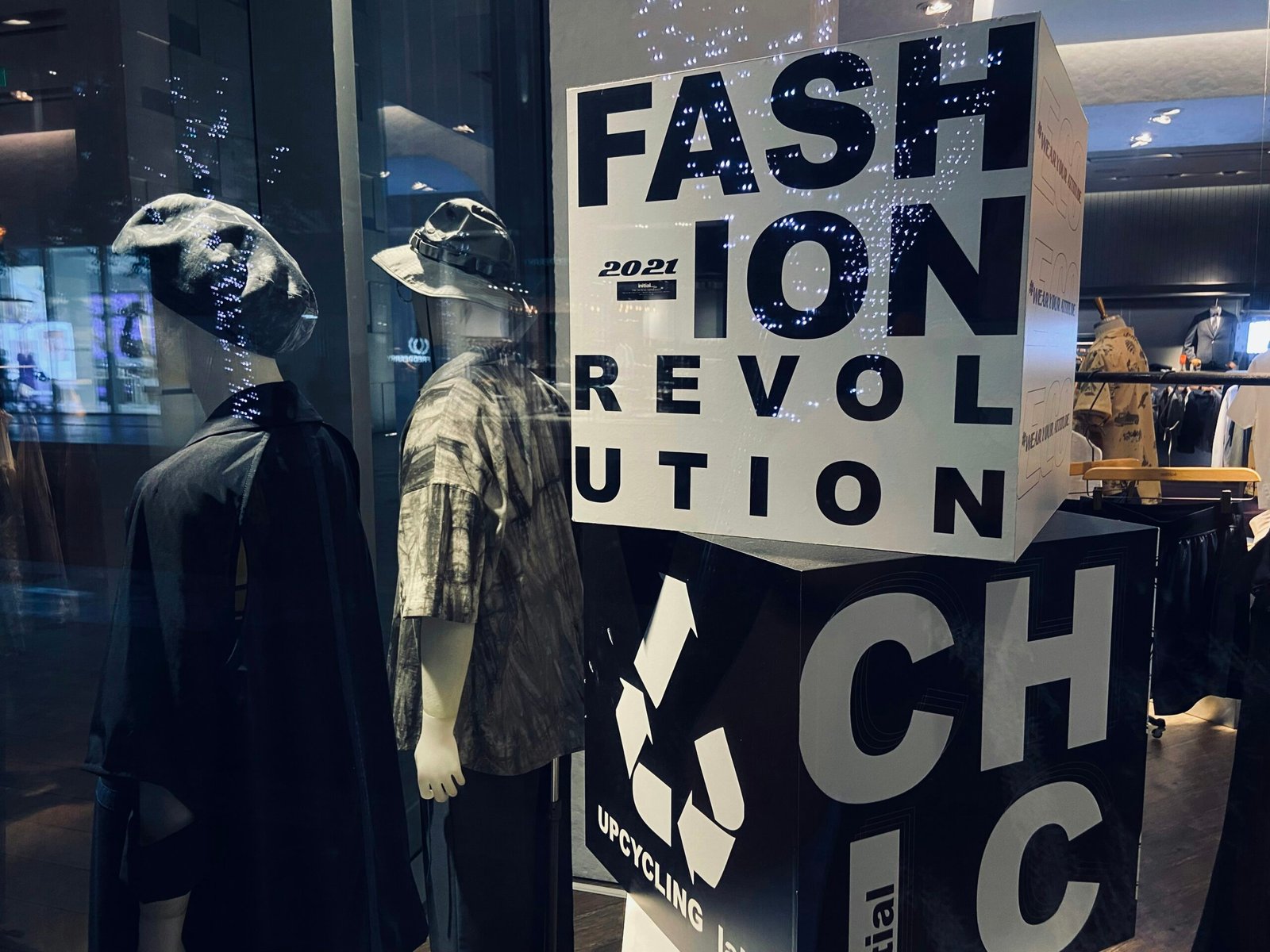
Introduction to Sustainable Fashion
Sustainable fashion refers to the design, production, and consumption of clothing that takes into account the environmental, social, and economic impact of garments throughout their lifecycle. This approach addresses issues such as resource depletion, pollution, and the exploitation of labor, making it an essential response to the significant challenges facing the fashion industry today. The importance of sustainable fashion has never been more pronounced, particularly in light of increased consumer awareness regarding the detrimental effects of fast fashion on the planet.
In recent years, there has been a notable shift in consumer attitudes towards sustainable clothing. Awareness campaigns and rising environmental concerns have prompted individuals to reconsider their purchasing habits. Consumers are increasingly seeking out brands that prioritize eco-friendly materials and ethical production practices. The rise of digital platforms has also facilitated access to information about sustainability initiatives, creating a more informed consumer base that demands transparency from brands.
This evolution reflects a broader cultural shift towards sustainability, as individuals recognize the importance of responsible consumption. As a result, many consumers are willing to invest in higher-quality, sustainable products, even if they come at a premium price. This trend is not just a fleeting moment; it signifies a fundamental transformation in the fashion industry, where brands are challenged to innovate and align their offerings with the values of a more conscious consumer.
The survey on consumer trends in sustainable fashion is crucial for brands and policymakers alike. By understanding consumer preferences and behaviors, stakeholders can devise strategies that meet the evolving demands while fostering a more sustainable industry. In this rapidly changing marketplace, identifying key trends offers valuable insights that can guide effective decision-making and ultimately support the development of a more sustainable fashion future.
Key Findings from Recent Consumer Surveys
Recent surveys regarding sustainable fashion have highlighted several noteworthy trends in consumer preferences and behaviors. One prominent observation is the increasing awareness of sustainability among consumers. Data indicates that a significant percentage of respondents, across various demographics, are actively seeking out eco-friendly options in their clothing choices. This shift is reflective of a broader societal recognition of environmental impacts linked to the fashion industry.
In terms of purchasing behavior, the surveys reveal that consumers are willing to invest more in sustainable fashion items, with many prioritizing quality over cost. This reflects a growing sentiment that sustainability equates to longer-lasting products. Interestingly, younger consumers, particularly millennials and Gen Z, are leading this trend. Studies show that this demographic tends to favor brands that endorse ethical practices and demonstrate environmental responsibility, contributing to a distinct shift in market demand.
Additionally, geographical differences have surfaced in relation to sustainable fashion. For instance, consumers in urban areas are generally more attuned to sustainability issues compared to their suburban or rural counterparts. This urban-rural divide can be attributed to various factors, including accessibility to sustainable brands and higher levels of environmental advocacy present in cities. Moreover, income levels play a crucial role, as higher-income consumers demonstrate a greater likelihood to purchase sustainably produced clothing, attributing their choices to both ethics and status.
Another critical insight from the surveys is that while sustainability is important to consumers, clarity around what constitutes sustainable fashion remains a challenge. Many individuals express confusion regarding certifications and labels, indicating a need for greater transparency from brands. Overall, these findings underscore the evolving landscape of consumer attitudes towards sustainable fashion, suggesting a clear direction for brands aiming to align with these values.
Influence of Marketing and Branding on Consumer Choices
The dynamic interplay between marketing strategies and consumer choices plays a crucial role in the realm of sustainable fashion. As consumers become increasingly conscious of their purchasing decisions, brands are now tasked with the responsibility of aligning their marketing efforts with the values of their target audience. Effective marketing in this sector transcends traditional advertising, necessitating a heightened focus on transparency and authenticity. When brands communicate their commitment to sustainability and ethical practices, they foster a sense of trust and credibility among consumers.
In an era where information is readily accessible, consumers are more discerning and inquisitive about the origins of their fashion items. Brands that embrace transparency in their supply chain and production methods find themselves better positioned to engage with eco-conscious consumers. The incorporation of storytelling into marketing strategies serves as a powerful tool in this context. By weaving compelling narratives about their sustainable practices, such as the use of organic materials or fair labor conditions, brands can create emotional connections with consumers, which is essential for loyalty.
Several successful sustainable fashion brands exemplify the effectiveness of these strategies. For instance, Patagonia has built a formidable reputation through its commitment to environmental activism and its transparent marketing approach. By sharing stories about their ecological initiatives and sustainable practices, Patagonia not only highlights its mission but also resonates deeply with consumers who prioritize environmental responsibility. Similarly, Everlane’s “Radical Transparency” campaign provides customers with detailed insights into their production processes, engendering trust and fostering a loyal customer base.
Moreover, ethical branding in sustainable fashion is pivotal in influencing consumer preferences. Brands establishing authenticity in their values can cultivate meaningful relationships with discerning consumers. Overall, the influence of marketing and branding in sustainable fashion underscores the necessity for brands to adopt genuine communication strategies that reflect their commitment to sustainability, ultimately shaping consumer choices and driving brand loyalty.
Future Trends in Sustainable Fashion Consumption
The landscape of sustainable fashion consumption is rapidly evolving, influenced by changing consumer behaviors and market dynamics. Recent surveys highlight significant shifts in consumer demands that are likely to shape the future of the fashion industry. An increasing number of consumers are prioritizing sustainability in their purchasing decisions, showcasing a willingness to invest in eco-conscious brands that align with their values. This transition underscores a growing awareness among consumers regarding the environmental impact of their choices.
One of the most prominent trends projected is the rise of circular fashion. This concept revolves around the idea of designing clothes that can be reused, recycled, or upcycled, thereby extending the lifecycle of garments and reducing waste. Consumers are increasingly embracing second-hand shopping, rental services, and other innovative consumption models that promote sustainability. Such shifts indicate a departure from the traditional linear fashion model, paving the way for a more sustainable future.
Eco-conscious brands are gaining traction as consumers seek transparency and sustainability in the brands they support. As businesses adapt to meet these evolving demands, brand loyalty is likely to hinge on a brand’s commitment to ethical practices, sustainable sourcing, and environmental responsibility. Brands that effectively communicate their sustainability initiatives and showcase their commitment to ethical production are expected to resonate more with the consumer market.
Additionally, the role of digital technology and social media cannot be underestimated in this landscape. Platforms such as Instagram and TikTok are pivotal in shaping consumer perceptions and promoting sustainable fashion practices. Influencers and content creators play a crucial role in raising awareness about sustainable brands and encouraging consumers to make informed choices. As technology continues to advance, it provides the necessary tools for brands to engage with eco-conscious consumers, thereby helping to cultivate a culture of sustainability within the fashion industry.