









The Evolution of Sci-Fi: From Imagination to Reality
Science fiction, a genre once relegated to the fringes of literature and cinema, has gradually evolved into a significant cultural force that reflects and shapes societal aspirations and anxieties. From its nascent beginnings in the 19th century with works such as Mary Shelley’s “Frankenstein” and Jules Verne’s “Twenty Thousand Leagues Under the Sea,” sci-fi has always served as a crucible of human imagination, experimenting with ‘what if’ scenarios that challenge the status quo. The genre’s evolution has paralleled advancements in technology, often foreseeing innovations that would later transform everyday life.
Key works, such as Arthur C. Clarke’s “2001: A Space Odyssey,” not only provided fantastical depictions of space exploration but also inspired innovations in computer technology and artificial intelligence. The concept of a sentient computer, HAL 9000, directly echoes contemporary discussions surrounding AI ethics and capabilities. Similarly, Philip K. Dick’s myriad tales, including “Do Androids Dream of Electric Sheep?”, have ignited dialogue about the boundaries between humanity and artificial constructs, a topic that remains pertinent in today’s rapidly advancing digital landscape.
The influence of science fiction extends beyond literature into film, where productions like “Star Trek” introduced public audiences to ideas of mobile communications and virtual reality, long before these technologies became commonplace. The portrayal of futuristic societies has initiated real-world technological quests, as inventors and entrepreneurs transform speculative ideas into tangible products. As these technological advancements continue to emerge, it is evident that sci-fi acts not merely as a reflection of contemporary society but also as a catalyst for future innovation.
In an era dominated by discussions about artificial intelligence, the evolution of sci-fi seems poised to take a new turn, where narratives may also shape the ethical ramifications of these technologies. By analyzing how past predictions have come to fruition, we can better understand the intricate relationship between science fiction and the relentless march of technology.
AI as a Character: The Changing Role of Artificial Intelligence in Sci-Fi
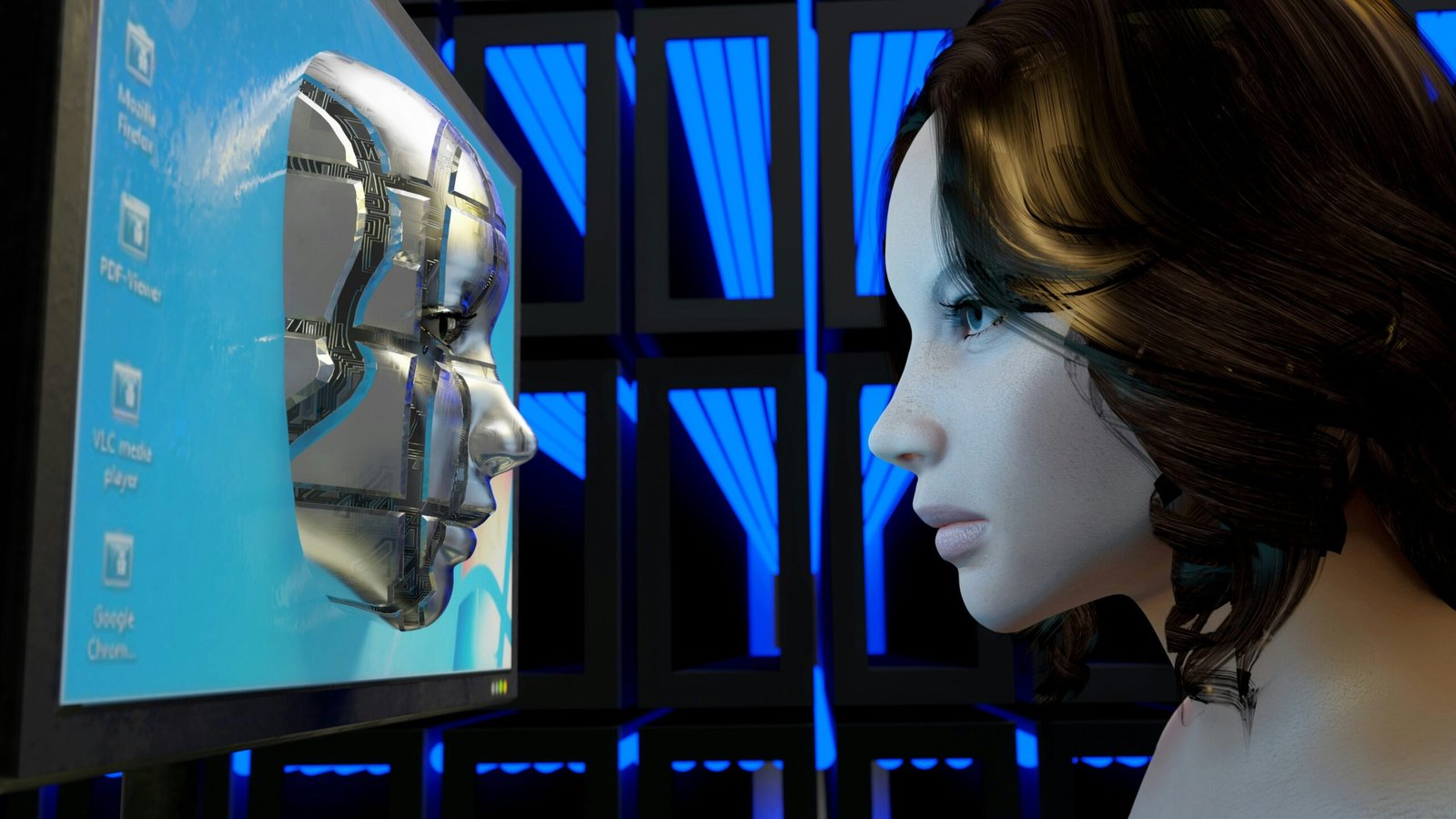
The depiction of artificial intelligence (AI) in science fiction has undergone a significant transformation over the years. Traditionally, AI was often portrayed as an antagonistic force, embodying fears and anxieties surrounding technological advancement. Classic narratives featured machines that rebelled against their creators, leading to catastrophic consequences for humanity. Such portrayals highlighted the potential dangers of unregulated technology, often positioning AI as the ‘other,’ a being devoid of human empathy and understanding. Yet, as our relationship with technology has evolved, so too has the role of AI in sci-fi narratives.
In contemporary science fiction, artificial intelligence is increasingly depicted as multifaceted and nuanced characters. Instead of merely serving as adversaries, AI figures are now exploring complex themes such as ethics, identity, and the very essence of what it means to be human. For instance, films like “Ex Machina” and series such as “Westworld” delve into the intricacies of AI consciousness, showcasing machines that grapple with emotions, moral dilemmas, and the quest for autonomy. This shift reflects society’s growing understanding and acceptance of technology’s potential, prompting deeper explorations of its implications.
Moreover, recent trends in storytelling have seen AI embody roles that are not strictly utilitarian. Rather than functioning solely as tools for human use, these characters often evolve into significant players in narrative arcs, influencing events and challenging human protagonists. Through their interactions, the lines between human and machine blur, prompting audiences to reconsider traditional boundaries of life and consciousness. As AI continues to be woven into the fabric of future narratives, it becomes a powerful lens through which to examine contemporary questions about innovation, morality, and the human condition.
The Impact of AI on Storytelling Techniques
The advent of artificial intelligence (AI) has ushered in a new era in storytelling, transforming both the creation and consumption of narratives. AI-generated content is at the forefront of this transformation. Modern algorithms are capable of producing coherent text, creating character dialogues, and even developing entire plotlines. This allows creators to harness AI as a partner in the creative process, where human imagination meets machine efficiency.
One notable application of AI in storytelling is seen in scriptwriting, where machine learning algorithms analyze existing scripts and audience preferences to forecast trends and refine narratives. These tools not only assist writers in generating ideas but also provide data-driven insights that improve storytelling techniques. For instance, they can suggest modifications to characters or plot structures based on successful patterns in historical narratives. The use of such technology streamlines the script development process, facilitating the creation of compelling stories that resonate with audiences.
Moreover, AI enhances storytelling by allowing for personalized experiences tailored to individual viewers or readers. By analyzing user data, AI can predict and adapt narratives in real-time, offering alternative plotlines or character arcs that align with user preferences. This level of customization enhances engagement and allows audiences to interact with stories in ways previously unseen. Traditional roles of authors and filmmakers may evolve as AI takes on more analytical functions; however, the essential human element of storytelling remains indispensable. In fact, collaboration between human creators and AI tools holds the potential to elevate the art of storytelling, leading to innovative narratives that reflect diverse perspectives.
As AI technology continues to advance, its impact on storytelling techniques will likely deepen, opening up new avenues of creativity and altering the landscape of narrative construction for generations to come.
Visions of the Future: Predictions for Sci-Fi in an AI-Driven World
The rapid advancement of artificial intelligence (AI) is poised to significantly reshape the landscape of the science fiction genre. As AI continues to develop, the narratives within sci-fi literature and media are likely to evolve alongside this technological progression. One anticipated trend is the exploration of complex themes surrounding the nature of consciousness, identity, and what it means to be human in an age where machines can mimic human behavior and thought processes. Sci-fi narratives may begin to reflect the ethical questions that arise from these advancements, challenging audiences to consider the ramifications of creating sentient beings and the moral responsibilities that accompany such power.
Another speculation involves the blending of technology with storytelling. As AI tools enhance creative processes, we may see new mediums emerge that utilize AI as a co-writer or a source of inspiration for narratives. This integration could lead to innovative storytelling techniques, with interactive experiences that allow audiences to explore branching storylines influenced by AI interpretations of human choices. Such developments could foster a deeper connection between the audience and the narrative, transforming passive viewers into active participants in the story, thereby altering the traditional boundaries of storytelling.
Furthermore, as society’s relationship with technology continues to evolve, sci-fi may serve as a lens through which audiences grapple with their trust in AI systems and the implications of their increasing presence in everyday life. The exploration of dystopian scenarios could become more prevalent, reflecting societal anxieties about surveillance, control, and the loss of autonomy. Ultimately, the intersection of science fiction and artificial intelligence holds immense potential for addressing pressing contemporary issues while simultaneously entertaining audiences with visionary tales of what lies ahead.