








Introduction to Reader Preferences
As we look toward 2025, understanding reader preferences has become increasingly significant in the rapidly evolving landscape of literature and information consumption. Reader preferences can be defined as the tendencies and inclinations that individuals exhibit when selecting reading materials. These preferences can manifest in various aspects, including genre selection, reading format—print or digital—, frequency of reading, and even the choice of device used for reading. Analyzing these characteristics will allow us to decipher the ongoing transformations within reading habits influenced by technological advances and societal shifts.
With the rise of digital media and the proliferation of reading devices such as e-readers and tablets, the way people access and engage with content has undergone a profound change. Furthermore, factors such as the increasing prevalence of social media, changes in educational systems, and shifts in cultural dynamics also play a pivotal role in shaping contemporary reading habits. These changes not only affect how readers consume content but also what content resonates with them on a deeper level.
The objective of the survey is to capture a comprehensive snapshot of reader preferences in this dynamic context. By analyzing responses from a diverse group of individuals, we aim to uncover trends and patterns that characterize the reading landscape in 2025. Readers can expect to gain insights into popular genres, preferred formats, and even emerging themes that are shaping literature’s future. This examination will not only shed light on individual preferences but also provide valuable implications for authors, publishers, and content creators seeking to engage effectively with modern audiences.
Key Findings from the 2025 Survey
The 2025 survey provided compelling insights into the evolving landscape of reader preferences. One of the prominent findings revealed a significant inclination towards digital formats over traditional print. Approximately 68% of respondents expressed a preference for e-books and online articles, reflecting a growing trend associated with the convenience of accessing a substantial library of material at one’s fingertips. This shift towards digital reading is juxtaposed with a steady, albeit declining, interest in printed materials, with only 32% of participants indicating they frequently read physical books.
Moreover, the survey uncovered distinct genre preferences among readers. Fiction genres, particularly fantasy and science fiction, emerged as the most favored, captivating 45% of the participants. Non-fiction, while still a robust choice, drew a lesser interest, with self-help and biography being the most popular categories among non-fiction readers. This data indicates a significant focus on escapism and imaginative storytelling in contemporary reading habits.
Another noteworthy aspect of the survey was the reading frequency reported by respondents. Approximately 40% of participants claimed to read daily, while a substantial 50% indicated they engaged with written content multiple times a week. Interestingly, there was a notable correlation between age and reading frequency; younger demographics, particularly those aged 18-24, reported higher reading rates compared to older age groups. This trend suggests a broadening engagement with literature, potentially influenced by modern technology and the accessibility of materials online.
Demographic insights from the survey shed light on how preferences vary across different groups. Geographically, urban readers exhibited a stronger preference for digital formats than their rural counterparts, who still showed considerable loyalty to print. Education levels also played a role, with higher educational backgrounds correlating with a broader genre interest. These findings paint a comprehensive picture of the contemporary reading audience, illustrating how preferences are shaped by various factors across different demographics.
Technological Influences on Reading Habits
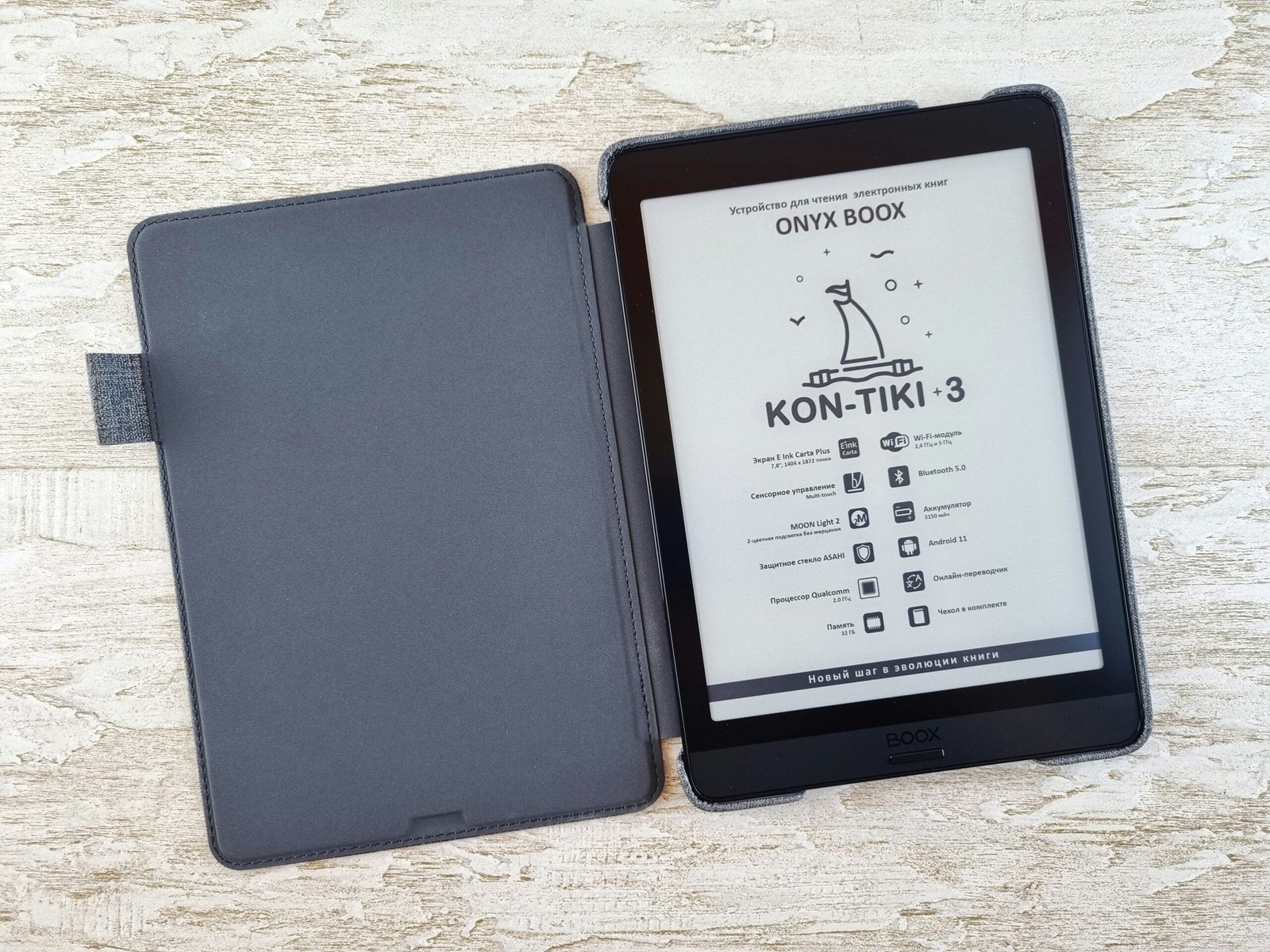
The landscape of reading habits has undergone remarkable transformations, largely driven by technological advancements. As we approach 2025, e-readers have evolved significantly, providing features that enhance the reading experience, such as adjustable lighting, customizable fonts, and access to vast digital libraries. These devices allow readers to carry an extensive collection of literature in their pockets, fostering a culture of accessibility and convenience. The emergence of e-readers has not only changed how readers consume content but also expanded their preferences in genre and format, facilitating a diverse reading community.
Audiobooks have also seen a surge in popularity, attributed to their compatibility with modern lifestyles. With the rise of streaming services, listeners can easily access a plethora of audiobooks across various genres. This shift has influenced reader preferences, encouraging more people to engage with literature in dynamic ways. Audiobooks offer a unique auditory experience, transforming traditional reading into an immersive journey that can be enjoyed during commutes, workouts, or household chores. The convenience of this format has made literature more accessible, appealing to those who may struggle to find time for physical books.
The impact of social media and online communities cannot be overlooked when analyzing reading preferences in 2025. Platforms such as Goodreads, Instagram, and BookTok have revolutionized the way readers discover new titles and engage with literary discussions. These spaces allow users to share recommendations, reviews, and personal reflections, fostering a vibrant culture of literary exploration. Moreover, algorithms on these platforms often tailor recommendations to individual preferences, presenting readers with curated content that aligns with their interests.
Emerging technologies like artificial intelligence and virtual reality are set to further enhance the reading experience. AI-driven recommendation systems personalize content discovery, while virtual reality can transport readers into immersive literary worlds, thereby reshaping traditional notions of reading. As technology continues to develop, it undoubtedly shapes the preferences and behaviors of future readers, creating a more inclusive and engaging literary landscape.
Future Implications and Predictions
The findings from the recent survey provide valuable insights into the evolving landscape of reader preferences. As we navigate towards 2025, it becomes essential to anticipate how these preferences may change in response to emerging technologies and cultural shifts. The surge in digital content consumption suggests that readers are increasingly inclined towards interactive and personalized experiences. Therefore, content creators should focus on enhancing engagement through multimedia formats and tailored recommendations that resonate with individual interests.
Moreover, the preference for shorter, more digestible content reflects a broader trend in how audiences consume information. This inclination places a challenge on authors and publishers to adapt their offerings without compromising depth and quality. As attention spans shorten, it will become crucial for writers to encapsulate ideas clearly and concisely to retain reader interest. This evolution could lead to an increase in serialized storytelling or content that integrates visual elements to complement the narrative.
Furthermore, the survey indicates a growing emphasis on sustainability and ethical considerations in reading material. As consumers become more aware of environmental impacts, content creators may need to pivot towards eco-friendly publishing practices. This shift could involve choosing print materials wisely or enhancing digital offerings to minimize resource usage. Additionally, readers may seek works that reflect diverse perspectives and socially responsible themes, challenging authors to authentically represent varied voices to resonate with a broader audience.
To navigate these potential changes, it is imperative for content marketers to remain agile and responsive. Establishing a robust feedback loop with readers can provide actionable data to refine strategies. Ultimately, those who successfully align with shifting preferences will not only thrive but also contribute to richer, more engaging reading experiences. By embracing these insights, the publishing industry can ensure its evolution is not merely reactive, but proactive in fostering lasting connections with readers. In summary, adapting to these emerging trends will be key to engaging audiences effectively in the coming years.