









Understanding Precision Feeding in Livestock
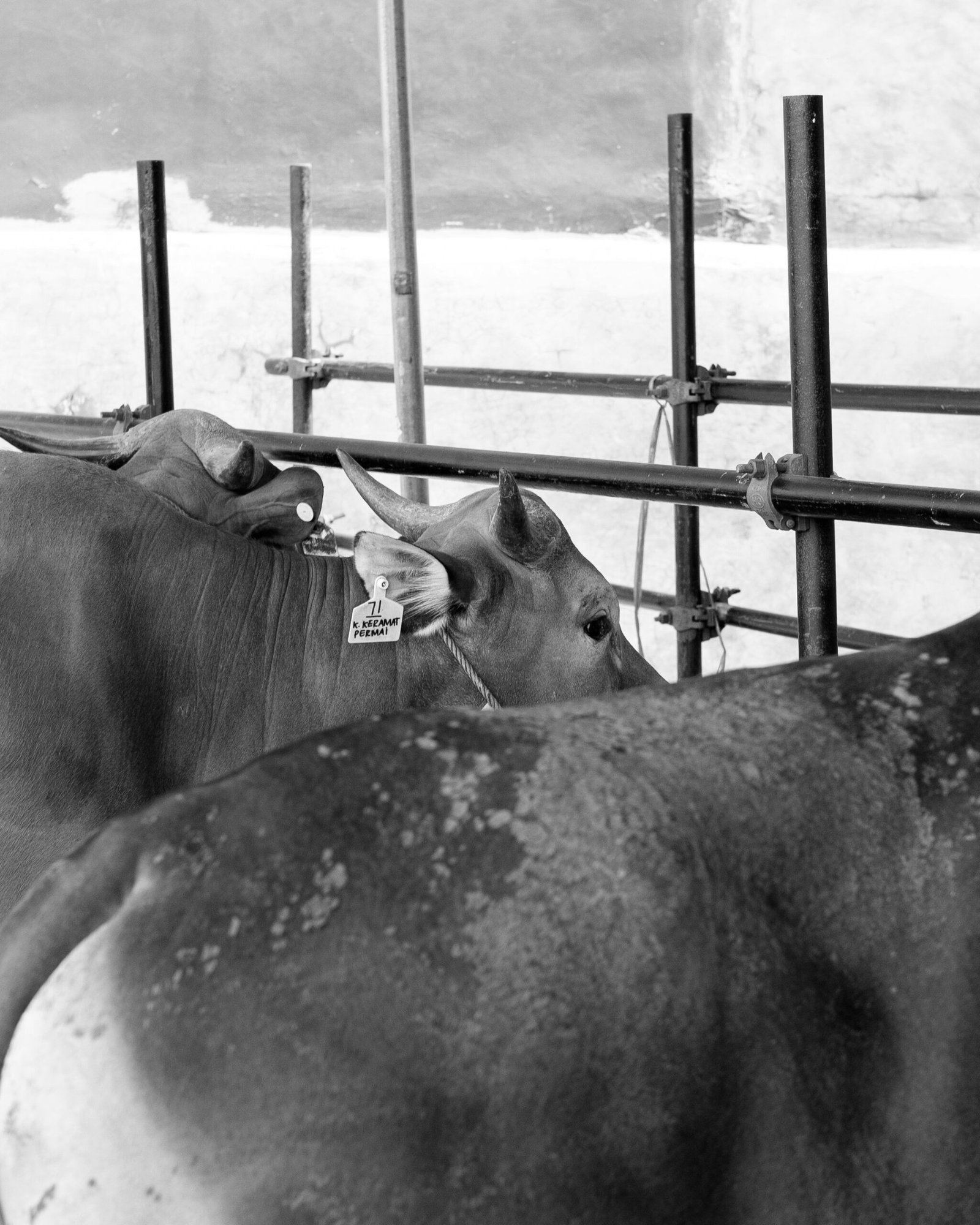
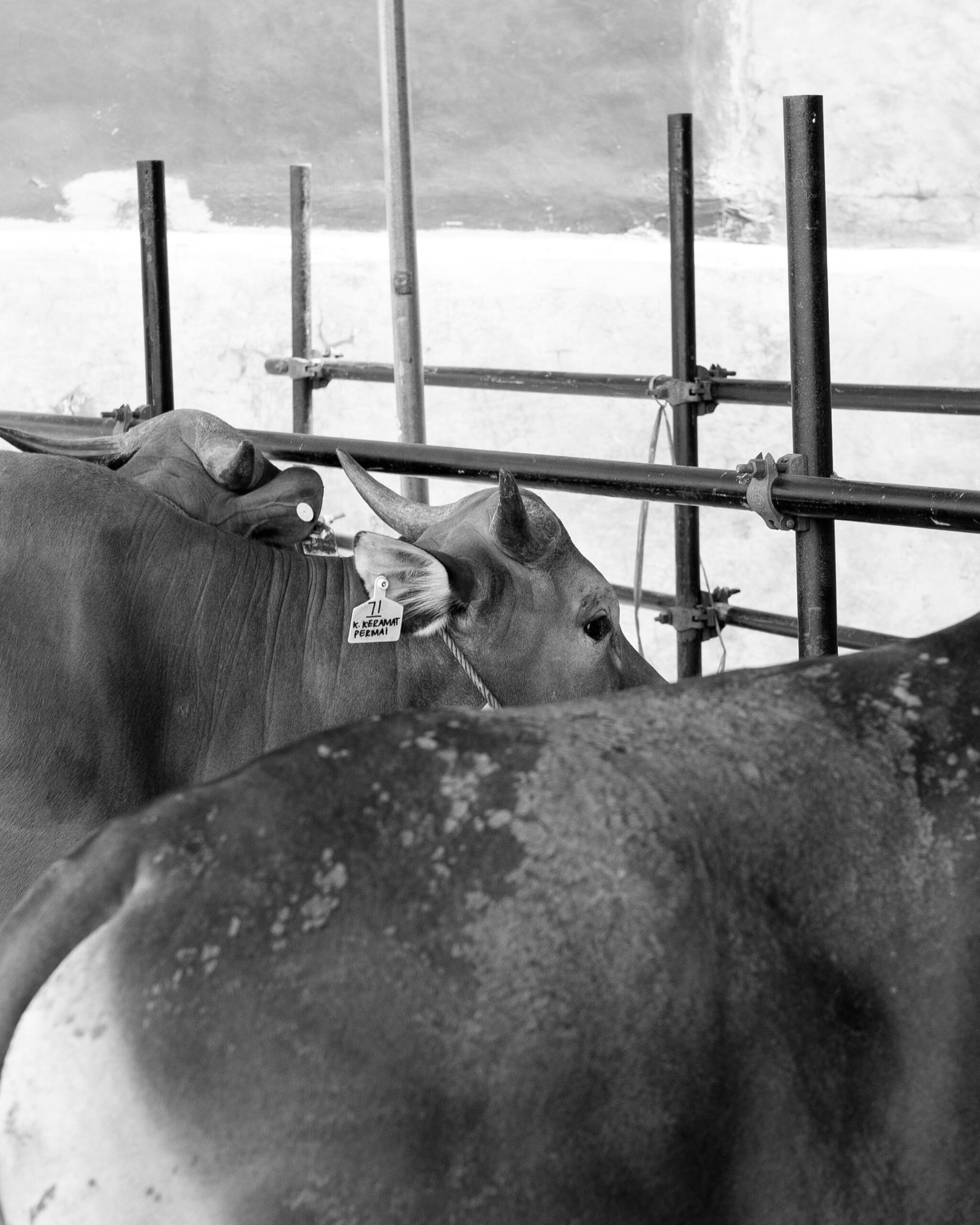
Precision feeding is a modern approach to animal nutrition that optimizes feed intake and nutritional delivery based on the specific needs of each animal within a herd. This paradigm shift from traditional feeding methods emphasizes the importance of monitoring and managing feed intake, building on the understanding that individual animals have varying dietary requirements influenced by factors such as age, weight, health status, and production goals.
The principles of precision feeding incorporate advanced technologies, including electronic feeders, automated data collection systems, and nutritional modeling. These technologies enable farmers to track and analyze individual animal behavior and health metrics accurately. By creating a more tailored feeding regimen, livestock managers can ensure that each animal receives the appropriate nutrients at the right time, significantly enhancing growth rates and overall productivity.
Adopting precision feeding practices offers numerous advantages. First and foremost, it allows for improved feed efficiency. By providing animals with the exact amounts of feed and the right balance of nutrients according to their individual requirements, waste is minimized. This not only leads to cost savings for producers but also supports sustainability efforts within the industry by reducing excess feed that can lead to environmental concerns.
Furthermore, precision feeding contributes to better animal health and welfare. By addressing the specific nutritional needs of livestock, producers can mitigate risks related to malnutrition and overfeeding. Improved nutritional management directly correlates with enhanced immune function and reduced incidence of diseases. Ultimately, the shift to precision feeding practices marks a significant advancement in livestock management, encouraging a more responsible approach to resource use while advancing productivity in the sector.
Technologies Driving Precision Feeding Solutions
Precision feeding has revolutionized livestock management through various cutting-edge technologies. These innovations enhance the efficiency and effectiveness of feeding practices, thereby improving overall animal health and farm productivity. Central to these advancements are automated feeding systems, tracking software, and sensor technologies, each playing a vital role in optimizing feeding strategies.
Automated feeding systems are among the most crucial innovations in the field. These systems streamline the feeding process by delivering precise amounts of feed to livestock at scheduled intervals. This automation not only reduces labor costs but also minimizes waste, as farmers can adjust feed quantities based on real-time data. For instance, companies like Lely and DeLaval offer advanced robotic feeders that cater to the specific nutritional needs of each animal, ensuring that dietary requirements are met without excess.
Another integral component of precision feeding technologies is tracking software. This software collects and analyzes data pertaining to livestock feeding habits, growth patterns, and health metrics. Utilizing this information, farmers can make informed decisions about feed formulation and livestock management practices. Leading solutions like Afimilk and Zoetis provide comprehensive platforms that integrate data tracking, enabling producers to monitor key performance indicators effectively and respond to any challenges promptly.
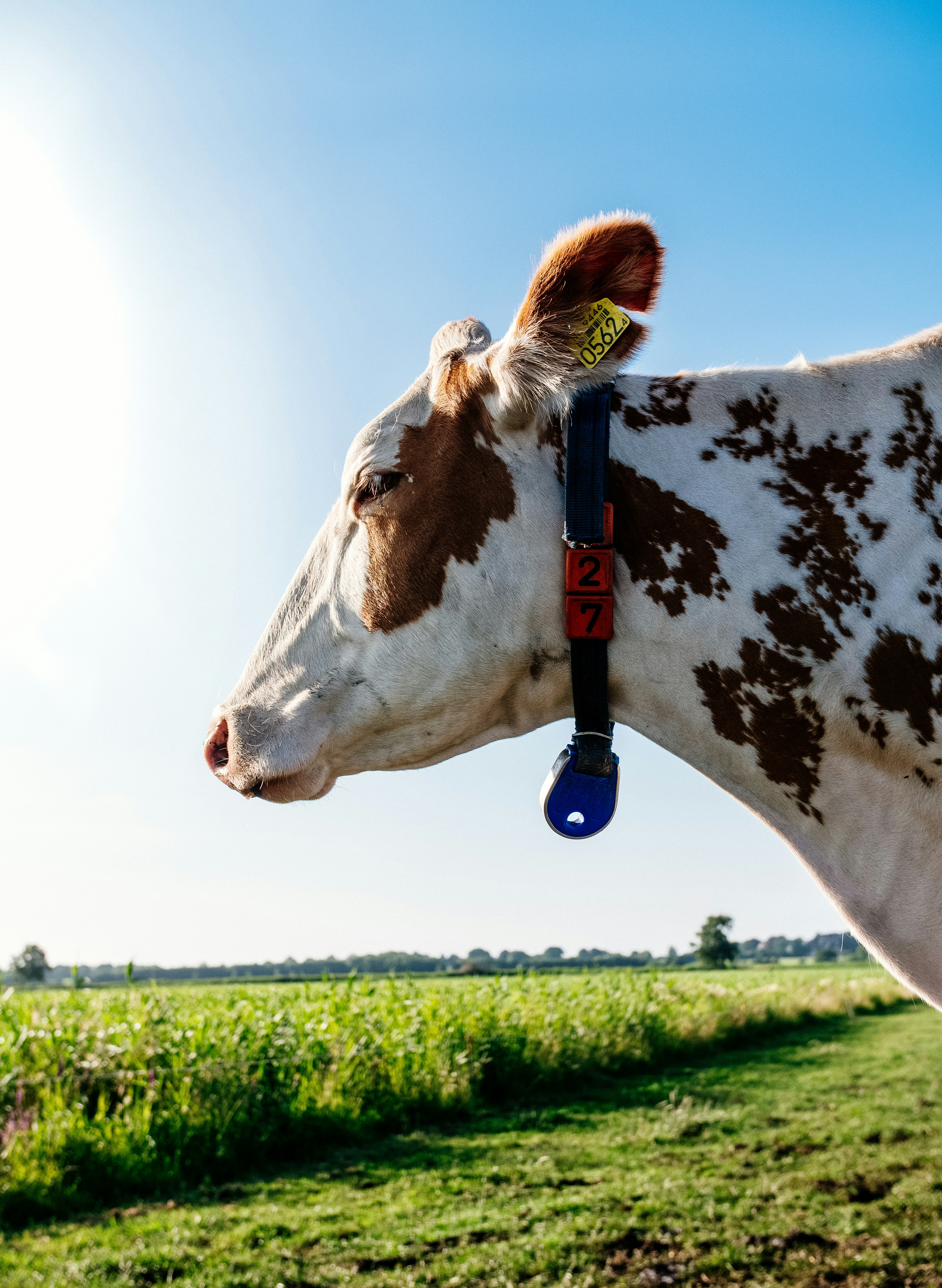
Additionally, sensor technologies play a pivotal role in the precision feeding landscape. These sensors monitor various parameters such as feed intake, rumination, and environmental conditions, allowing for the continuous assessment of livestock health. Examples include electronic collars and wearable sensors that provide real-time feedback to farmers, facilitating rapid decision-making. The integration of these technologies supports improved animal welfare and supports sustainable farming practices, as farmers can adjust feeding strategies based on individual animal needs.
In conclusion, the deployment of these advanced technologies in precision feeding significantly enhances livestock management. By leveraging automated systems, robust tracking software, and innovative sensor technologies, farmers can ensure their operations are not only more efficient but also more responsive to the needs of their animals.
Benefits of Implementing Precision Feeding Strategies
Precision feeding strategies represent a pivotal shift in livestock management, offering various benefits that can significantly enhance both animal welfare and farming profitability. One of the primary advantages is improved feed efficiency. By closely monitoring the nutrient requirements of each animal and tailoring their diet accordingly, farmers can reduce feed waste and ensure optimal nutrient absorption. For instance, a study found that implementing precision feeding led to a 10% reduction in feed costs, thereby directly benefiting the farm’s bottom line.
Enhanced animal welfare is another crucial benefit of precision feeding. When livestock receive diets that meet their specific needs, overall health and productivity improve. Healthier animals are less susceptible to diseases and exhibit better growth rates. Case studies have demonstrated that precision feeding strategies can lead to a reduction in veterinary costs, as well-nourished animals typically require fewer medical interventions. Furthermore, improved animal welfare aligns with consumer expectations for more humane farming practices.
Cost savings derived from precision feeding extend beyond just feed efficiency. By optimizing feed formulations, farmers can deal with the fluctuating prices of feed ingredients more effectively. This agility not only protects against market volatility but also contributes positively to environmental sustainability. Precision feeding minimizes overfeeding and mitigates nutrient runoff into the environment, promoting better land and resource management—a critical aspect for today’s eco-conscious consumers.
Lastly, the implementation of precision feeding strategies can significantly enhance overall profitability. With increased feed efficiency, improved animal health, and reduced environmental impact, farmers can expect higher yields and better quality livestock products. Research indicates that farms adopting these innovative feeding approaches have reported profit increases of 15-20%. Therefore, the integration of precision feeding into livestock management systems not only drives economic performance but also promotes sustainable practices within the industry.
Challenges and Future Directions in Precision Feeding
As the agriculture sector continues to evolve, precision feeding solutions stand out as transformative tools for livestock management. However, farmers encounter several challenges that hinder the widespread adoption of these systems. One significant barrier is the initial cost associated with implementing precision feeding technology. The expenses emanate not only from the purchase of advanced equipment but also from the necessity of continual software updates and maintenance. These financial implications can deter smaller farming operations from investing in such technologies, despite the potential long-term benefits they may yield in terms of enhanced productivity and reduced feed waste.
Moreover, the technical knowledge required to effectively utilize precision feeding solutions presents another hurdle. Farmers often need training to understand and operate complex algorithms and data analytics tools designed to optimize feed efficiency. Bridging the knowledge gap through targeted educational programs and user-friendly interfaces is essential to promote the successful application of these advanced techniques within the farming community.
Integration with existing livestock management systems is another key concern. Many farms rely on established practices and infrastructures, and introducing new precision feeding solutions requires compatibility with these systems. Therefore, establishing universal standards for precision feeding technologies could streamline integration processes, facilitating a smoother transition for farmers looking to modernize their practices.
Looking toward the future, advancements in artificial intelligence and data analytics promise to play a crucial role in overcoming these challenges. The development of more intuitive platforms could simplify data interpretation, allowing farmers to make informed decisions more efficiently. Furthermore, innovations such as machine learning may enhance the precision of feeding programs, tailoring nutriments to the unique needs of livestock and contributing to sustainable practices. As the precision feeding industry continues to evolve, addressing existing barriers and embracing new opportunities will be pivotal in maximizing its potential impact on livestock management.