










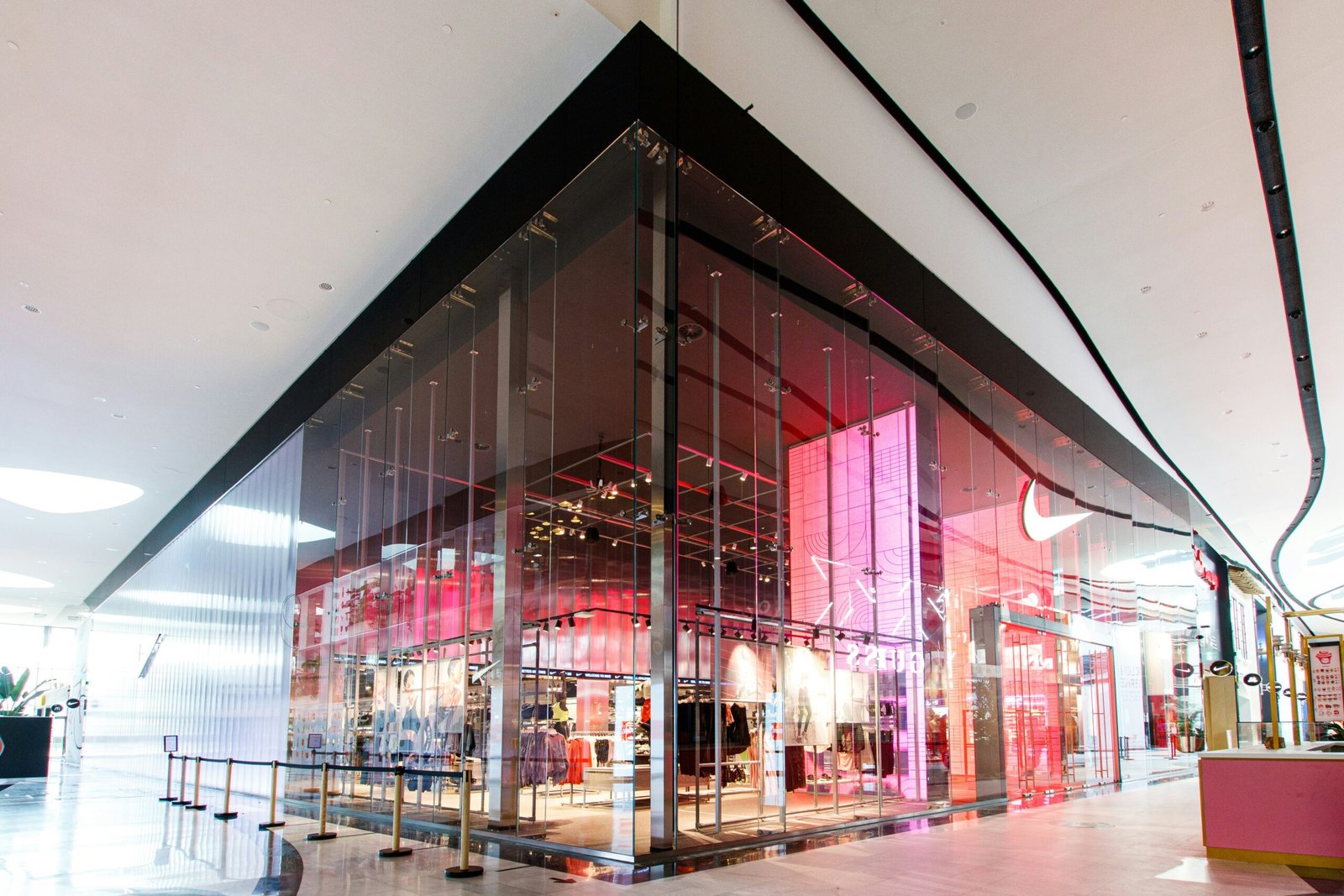
Introduction to Consumer Preferences in Specialty Retail
The specialty retail sector plays a crucial role in the broader retail landscape, providing unique products and tailored shopping experiences that distinguish it from mainstream retail options. This niche market encompasses a wide range of categories including gourmet food, artisan goods, and customized fashion, which cater to specific consumer interests and preferences. Understanding these consumer preferences is essential for specialty retailers to effectively meet the needs of their target audience and to thrive in a competitive environment.
One of the key factors that set specialty retailers apart is their carefully curated product selection. Unlike larger chain stores that prioritize volume and mass appeal, specialty retailers focus on offering distinctive items that resonate with their customers’ tastes and values. This tailored approach not only improves brand loyalty but also enhances the perceived value of products, encouraging consumers to choose specialty stores over traditional options. Additionally, superior customer service serves as a significant differentiator; knowledgeable staff can provide personalized recommendations and foster a welcoming shopping environment, further enhancing the overall shopping experience.
The shopping experience itself also plays an integral role in shaping consumer preferences within specialty retail. As customers increasingly seek immersive and engaging experiences, retailers must invest in creating appealing store layouts and interactive environments. This focus on customer engagement allows specialty retailers to build stronger connections with their clientele, as satisfaction in the shopping experience can lead to repeat visits and positive word-of-mouth referrals.
Insights drawn from recent consumer surveys underscore the importance of understanding these aspects of consumer behavior. Feedback from consumers not only provides valuable data but also aids specialty retailers in developing strategies that align with their audience’s evolving preferences. As the retail landscape continues to shift, staying attuned to consumer feedback will be crucial for sustainable success in specialty retail.
Key Findings from Recent Consumer Surveys
Recent consumer surveys conducted within the specialty retail sector have unveiled a wealth of insights that can significantly shape retail strategies. One of the foremost findings indicates that product quality remains a critical factor influencing consumer decisions. A large percentage of respondents, approximately 65%, expressed a preference for higher quality products, even when these come at a premium price. This preference underscores the importance of quality assurance for specialty retailers, who must emphasize craftsmanship and durability to capture customer loyalty.
Demographically, younger consumers, particularly Millennials and Gen Z, show a distinct inclination towards sustainability and ethical sourcing. About 72% of these demographic groups indicated that they are more likely to support brands that adopt environmentally friendly practices. This trend suggests that specialty retailers should incorporate sustainable practices into their production processes and marketing strategies to attract this growing consumer base.
Brand loyalty trends have also shifted, with surveys revealing that consumers are increasingly open to experimenting with new brands, especially if they present unique offerings. While traditional loyalty towards established brands persists, about 54% of consumers reported that they would switch brands for novelty or innovation, particularly in the specialty retail space. This indicates a potential opportunity for smaller or emerging brands to establish themselves by offering unique product lines or experiences.
Moreover, the impact of shopping environments is becoming more pronounced. The survey results show a nearly even split in preferences for online versus brick-and-mortar shopping experiences. Approximately 47% of consumers preferred online shopping due to convenience, whereas 43% favored physical stores for the tangible engagement with products. Retailers should consider adopting an omnichannel approach, seamlessly integrating online and offline experiences to cater to varying consumer needs.
Factors Influencing Consumer Choices in Specialty Retail
Understanding the critical factors that influence consumer choices in specialty retail is paramount for retailers aiming to enhance customer satisfaction and foster loyalty. One significant factor is the allure of unique product offerings. Specialty retailers often distinguish themselves by curating an assortment of distinctive items that cater to niche markets or specific interests. This exclusivity attracts discerning consumers who seek one-of-a-kind finds not readily available in mainstream stores.
Another essential element is personalized customer service. Specialty retailers frequently excel in providing individualized attention, allowing shoppers to feel valued and understood. This level of personal touch often leads to memorable shopping experiences, encouraging repeat visits. According to recent surveys, consumers express a preference for retailers that offer tailored advice and product recommendations, which can significantly enhance their overall shopping experience.
Brand storytelling also plays a crucial role in shaping consumer preferences. Successful specialty retailers often connect with their audience through compelling narratives that reflect their brand’s values and mission. By telling authentic stories—whether related to the sourcing of products, craftsmanship, or the history behind the brand—retailers can forge emotional connections with consumers. This not only boosts customer engagement but also fosters a sense of community, encouraging buyers to align with brands that resonate with their beliefs.
Lastly, sustainability has emerged as a critical consideration in consumer purchasing decisions. Many modern consumers are increasingly prioritizing brands that demonstrate a commitment to environmentally friendly practices. Specialty retailers that adopt sustainable sourcing, eco-friendly packaging, and ethical production methods often gain a competitive edge, appealing to environmentally conscious shoppers. Case studies of brands excelling in sustainability illustrate that consumers tend to show greater loyalty to those who align with their ethical values. Overall, successfully navigating these factors is integral for specialty retailers aiming to thrive in a competitive landscape.
Strategies for Specialty Retailers to Adapt to Consumer Preferences
As the landscape of consumer behavior continues to evolve, specialty retailers must adopt strategic approaches to remain relevant and meet the changing demands of their clientele. Leveraging technology is a primary facet that retailers should incorporate into their operational model. By utilizing personalized shopping experiences powered by artificial intelligence, retailers can analyze customer data to offer tailored recommendations, ensuring that each shopper feels valued and understood. Tools such as chatbots and virtual assistants can further enhance this personalized approach, providing instantaneous responses to inquiries and guiding customers through their shopping journey.
In addition to adopting technology, enhancing in-store interactions is critical for creating memorable shopping experiences. Retailers should focus on training staff to engage meaningfully with customers, emphasizing product knowledge and exceptional service. A well-informed employee can significantly influence a customer’s purchase decision, fostering loyalty and encouraging repeat visits. Moreover, specialty retailers can enrich the in-store experience by hosting workshops or events related to their products, thereby creating a community atmosphere that attracts consumers.
Social media engagement also plays a vital role in adapting to consumer preferences. Specialty retailers should actively utilize platforms such as Instagram, Facebook, and TikTok to communicate directly with their audience. Curated content that showcases new arrivals, behind-the-scenes glimpses, or customer testimonials can create a sense of connection with potential buyers. Retailers should also consider running targeted social campaigns that resonate with their consumer base, allowing them to gather feedback and refine their offerings based on real-time insights.
Lastly, tailoring product assortments based on survey data insights is fundamental to satisfying consumer expectations. By analyzing what products resonate most with their audience, retailers can make informed decisions about inventory, ensuring that they offer items that align with current trends and preferences. This data-driven approach not only optimizes product selection but can also lead to increased sales and customer satisfaction.
