








Introduction: The Need for Upgrading POS Systems
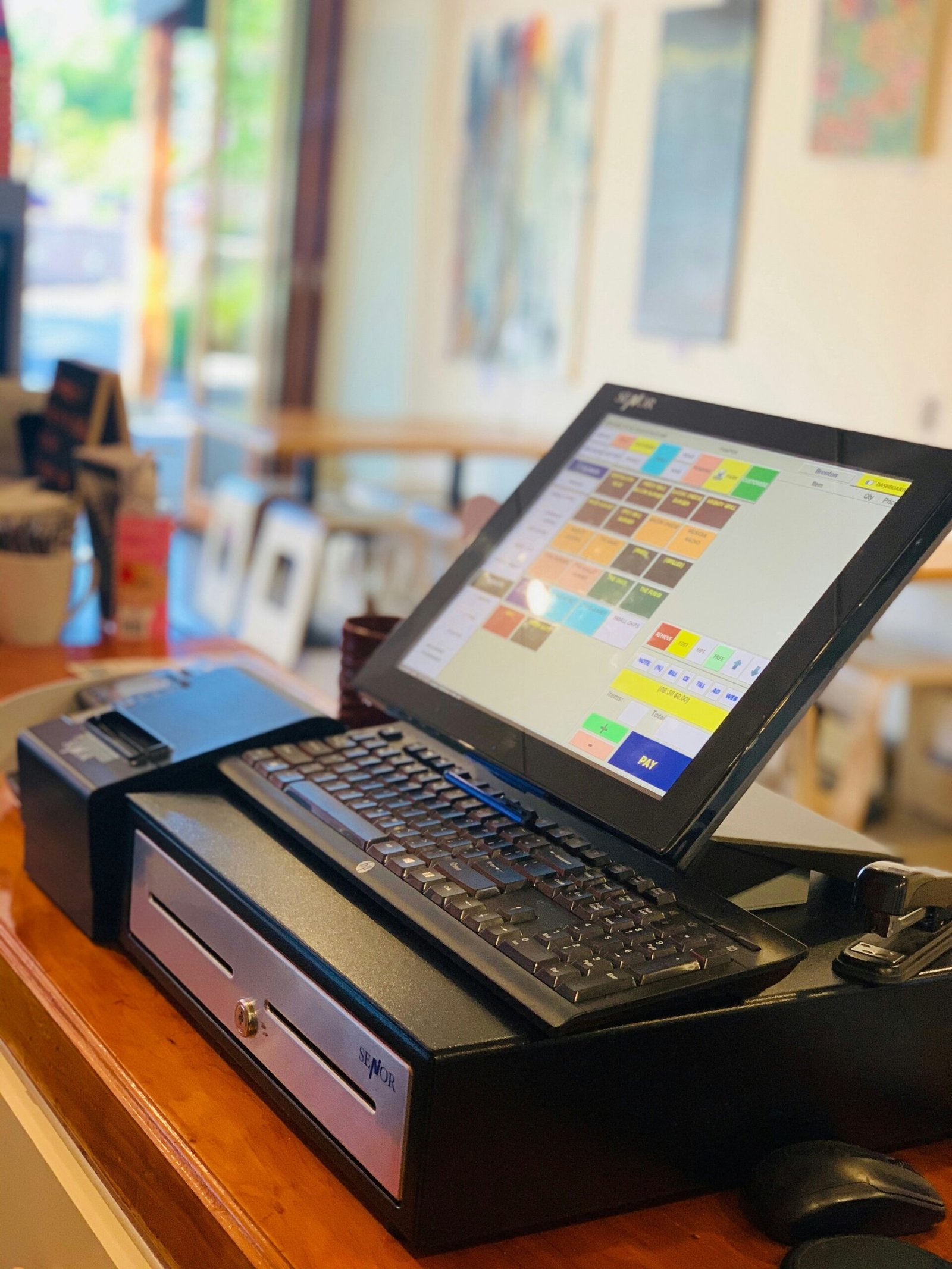
The retail industry has experienced significant transformations driven by advancements in technology and evolving consumer behaviors. At the heart of this change lies the Point of Sale (POS) system, a critical component in modern retail operations. A POS system not only facilitates transactions but also enriches the customer experience, manages inventory, and provides valuable data insights that can inform strategic decisions. As such, the effectiveness of these systems directly impacts overall business performance.
In today’s fast-paced retail environment, businesses face mounting pressure to optimize their operations to meet the changing expectations of consumers. The rise of digital shopping channels, coupled with consumer demand for seamless and personalized service, underscores the necessity for retailers to reassess their existing POS systems. Furthermore, competitive pressures from both online and brick-and-mortar establishments force retailers to stay ahead by adopting the latest technologies. Upgrading POS systems has become a priority for many, presenting an opportunity to enhance efficiency, reduce operational costs, and ultimately drive sales.
Moreover, the recent developments in technology—such as the integration of cloud computing, mobile payments, and contactless solutions—have transformed the POS landscape. Retailers are increasingly seeking systems that not only manage sales transactions but also integrate with other business functions like customer relationship management (CRM) and supply chain management. This integration facilitates timely data access and enhances decision-making. Understanding the urgency behind upgrading POS systems is essential, as retailers navigate the challenges of digital transformation while striving to meet customer expectations. The insights derived from a comprehensive survey will shed light on key priorities and considerations for retailers embarking on this essential technological upgrade.
Overview of Survey Methodology and Demographics
The survey conducted to gather insights regarding retailer POS upgrade priorities employed a structured methodology to ensure the reliability and validity of the data collected. A total of 500 participants were surveyed, comprising a diverse mix of retailers across various sectors. The selection process was stratified, allowing for representation from different types of retail establishments such as grocery, fashion, electronics, and home goods. This approach aimed to capture a comprehensive perspective on POS upgrade needs from retailers of varying specialties.
Data gathering involved an online questionnaire distributed to participants through targeted outreach and partnerships with industry associations. The survey was designed to include both quantitative and qualitative questions, allowing respondents to express their specific challenges and priorities regarding POS systems. This dual approach enabled researchers to collect measurable data while also capturing the nuances in retailers’ experiences and expectations.
In terms of demographics, the respondents represented a wide geographical distribution, encompassing retailers from urban, suburban, and rural areas. This geographic diversity provided valuable insights into how location influences POS upgrade decisions. Additionally, the participants varied significantly in terms of the size of their operations, including small businesses with fewer than ten employees, mid-sized retailers with up to 50 employees, and larger operations exceeding 50 employees. Understanding these demographics is crucial, as it helps contextualize the survey findings and showcases how different retail segments prioritize their POS upgrade strategies. By analyzing the responses across these various dimensions, researchers aim to contribute to a more profound understanding of the retail landscape and its evolving technological needs.
Key Findings: Retailer POS Upgrade Priorities
The recent survey on point-of-sale (POS) system upgrades reveals several critical priorities identified by retailers, reflecting their ongoing pursuit of enhanced operational efficiency and superior customer experience. One of the most significant findings was the increased emphasis on integrated payment solutions. A substantial majority of respondents highlighted that a seamless payment experience is paramount for modern retail operations. This integration not only streamlines the transaction process but also allows for greater flexibility in payment options, fostering customer satisfaction and loyalty.
Another notable priority is the enhancement of customer experience tools within POS systems. Retailers are increasingly recognizing the pivotal role that POS technology plays in enriching the shopper’s journey. A growing number of participants expressed the necessity for advanced features such as personalized marketing capabilities, loyalty program integration, and real-time customer feedback systems. These tools empower retailers to engage with customers more effectively, offering tailored promotions and experiences that resonate with individual preferences.
The shift towards cloud-based systems also emerged as a defining trend in the survey. A significant portion of retailers indicated a preference for cloud solutions due to their advantages, including improved accessibility, scalability, and reduced IT overhead. Cloud-based POS systems enable retailers to adapt quickly to changing market conditions while ensuring data security and reliability. This adaptability has become increasingly crucial in a rapidly evolving retail landscape.
Finally, the integration of inventory management features within POS systems stands out as a top priority. Retailers emphasized the need for real-time inventory tracking and analytics to facilitate better stock management and optimize sales strategies. Respondents noted that aligning inventory capabilities with POS technology not only improves operational efficiencies but also enhances overall business performance.
Implications for Retailers and Future Trends
The recent survey provides a pivotal perspective on the strategies that retailers must embrace regarding their Point of Sale (POS) systems. With an accent on features that enhance customer experience and operational efficiency, the findings delineate a clear roadmap for retailers aiming to foster customer satisfaction while maintaining a competitive edge in the retail landscape. As businesses evaluate their POS upgrade priorities, investing in advanced features such as user-friendly interfaces, mobile payment options, and robust data analytics capabilities can significantly elevate the shopping experience and optimize backend operations.
Retailers are increasingly realizing that a seamless, efficient checkout process is paramount. For instance, contactless payment options have emerged as essential in the wake of rising health concerns and customer preference for speed and convenience. Incorporating such technology not only enhances customer satisfaction but also caters to evolving consumer behaviors, thus solidifying a retailer’s position in a competitive marketplace.
Looking towards the future, the integration of artificial intelligence and machine learning within POS systems holds great potential. These technologies can facilitate personalized marketing efforts, predictive analytics, and enhanced inventory management, enabling retailers to meet their customers’ needs proactively. Furthermore, the rise of omnichannel retailing is prompting retailers to adopt POS systems that provide seamless synchronization across digital and physical sales channels, ensuring a cohesive shopping experience.
As the retail landscape continually evolves, staying ahead of emerging trends in POS technology is vital for retailers. By monitoring customer preferences and adopting innovative feature sets, retailers can not only enhance operational efficiency but also align closely with customer expectations. In conclusion, the implications of these survey findings urge retailers to recognize the significance of strategic POS upgrades, paving the way for sustained growth and customer loyalty in an ever-changing market environment.
