










Introduction to Sustainable Chemistry
Sustainable chemistry is an emerging field that focuses on developing chemical processes and products that are environmentally friendly, economically viable, and socially responsible. At its core, sustainable chemistry aims to minimize negative environmental impacts while enhancing economic growth. This area of study recognizes the profound influence that chemistry occupies in various manufacturing sectors and works toward transforming traditional practices to ensure a more sustainable future.
One of the fundamental principles of sustainable chemistry is the reduction of waste. The traditional chemical manufacturing processes often result in significant waste generation, which poses challenges for both environmental protection and resource management. Sustainable chemistry seeks to redesign these processes to minimize by-products, recycling materials whenever possible, and rethinking the entire lifecycle of chemical products. This not only lowers the environmental footprint but also can drive down costs for manufacturers.
Equally important is the conservation of resources, where sustainable chemistry emphasizes using renewable resources over non-renewable ones. This involves the identification and development of alternative feedstocks, such as biomass or other biological materials, that can reduce dependency on fossil fuels. Furthermore, the sustainable chemistry approach champions the efficient use of water and energy, aligning chemical manufacturing with principles of sustainability.
Additionally, sustainable chemistry is dedicated to developing safer chemical processes and products. Many chemicals used in traditional manufacturing may pose health risks to workers and consumers alike. By focusing on designing inherently safer chemicals and processes, sustainable chemistry not only enhances worker safety but also leads to products that are less harmful to human health and the environment.
In the context of today’s manufacturing landscape, the integration of sustainable chemistry principles is essential for fostering innovation, compliance with regulatory frameworks, and meeting consumer demand for greener products. The transition toward sustainable chemistry is not just a trend but a necessity for industries aiming to achieve long-term viability and sustainability.
Green Manufacturing Processes and Their Benefits
Green manufacturing processes are integral to advancing sustainability within the industrial sector. These methods prioritize eco-friendly practices by incorporating sustainable chemistry principles that minimize environmental impact while enhancing efficiency. Prominent among these processes are green synthesis, biomanufacturing, and the utilization of renewable resources.
Green synthesis involves the development of chemical processes that reduce or eliminate the use of hazardous substances. This approach not only emphasizes the safety of manufacturing but also often leads to products requiring less energy and fewer resources during production. By utilizing less toxic reagents and greener solvents, companies can significantly lower their overall environmental footprint, thereby promoting a more sustainable production cycle.
Biomanufacturing, on the other hand, leverages biological systems—such as microorganisms or enzymes—to produce beneficial compounds. This innovative method often results in higher product yields and lower energy consumption. For instance, companies in the pharmaceutical sector are increasingly adopting biomanufacturing techniques to synthesize drugs more sustainably, an approach that also mitigates waste chemicals typically generated by conventional methods.
The integration of renewable resources is also a cornerstone of green manufacturing strategies. By relying on sustainably sourced materials, manufacturers can curtail reliance on finite fossil fuels and diminish greenhouse gas emissions. The use of bio-based materials derived from organic sources is gaining traction, further encapsulating the principles of sustainable chemistry in manufacturing practices.
Real-world examples illustrate the profound impact of these green manufacturing processes. For instance, companies like IKEA are employing sustainable materials in their product lines, while automotive manufacturers are rethinking their supply chains to include more eco-friendly raw materials. The shift towards green practices results in energy efficiency, cost savings, and improved product quality, all while complying with stringent environmental regulations.
Such transitions are vital not only for meeting the growing demand for sustainable products but also for fostering a circular economy that prioritizes environmental integrity. As industries continue to embrace these green processes, the benefits will extend far beyond compliance—they will represent a significant step forward in sustainable manufacturing.
Challenges and Barriers to Implementing Sustainable Chemistry
Adopting sustainable chemistry practices in manufacturing processes presents numerous challenges and barriers that industries must confront. One primary obstacle is the high initial cost associated with implementing sustainable technologies. Many manufacturers perceive the upfront investment required for green chemistry solutions as a significant risk, particularly for small and medium-sized enterprises (SMEs) that may lack sufficient financial resources. This concern often leads to a reluctance to transition away from traditional, often less expensive, chemical processes, even if over time, sustainable alternatives may prove to be more cost-efficient.
Another considerable barrier is the lack of awareness and knowledge surrounding sustainable chemistry concepts among manufacturers and their stakeholders. There is often a gap in education and training that prevents key individuals from understanding the benefits, implementation strategies, and potential returns of adopting green practices. As sustainable chemistry practices are relatively new to many sectors, resources, and capital for educational initiatives may not be prioritized, further hampering progress.
Regulatory hurdles also pose a challenge to manufacturers aiming to adopt sustainable chemistry methods. Many industries are governed by strict regulations pertaining to chemical safety and environmental impacts, which can complicate the adoption of new sustainable practices. Compliance with existing regulations can deter organizations from experimenting with innovative methods that may conflict with established guidelines. Furthermore, resistance to change is prevalent among stakeholders, often stemming from a vested interest in maintaining the status quo. Addressing these diverse sources of resistance requires tailored communication strategies that highlight the long-term benefits of sustainable chemistry.
To mitigate these challenges, industries must foster a culture of innovation that embraces education and stakeholder engagement. Collaborative efforts across sectors can help share the successes and learnings associated with sustainable chemistry adoption, paving the way for a more inclusive transition towards greener manufacturing practices.
Future Trends in Sustainable Chemistry and Manufacturing
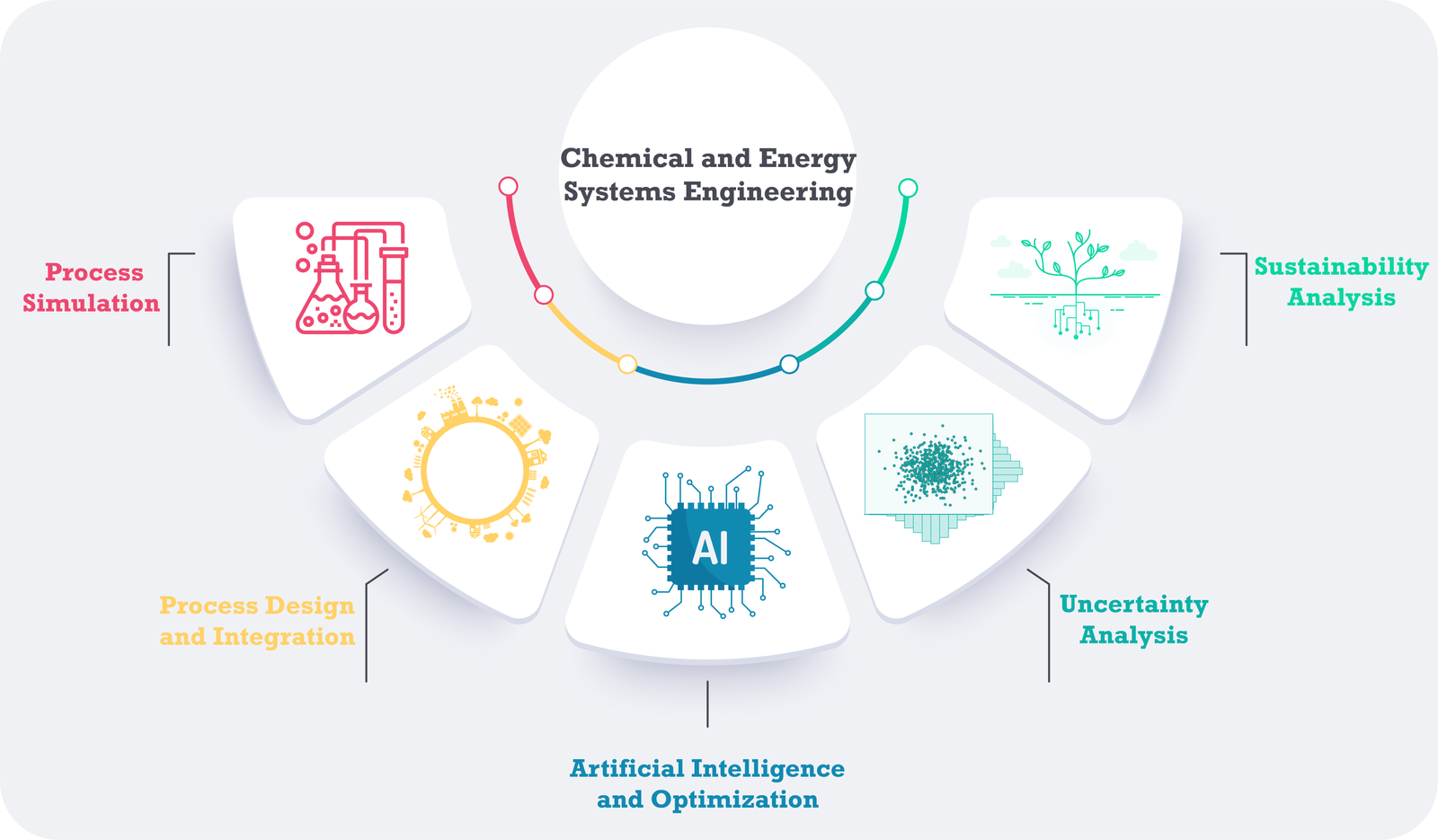
The field of sustainable chemistry is rapidly evolving, leading to transformative changes in manufacturing practices aimed at reducing environmental impact. One of the most significant trends shaping the future of sustainable chemistry is the integration of digital technologies into production processes. With the advent of the Internet of Things (IoT), machine learning, and artificial intelligence, manufacturers can now optimize chemical processes more efficiently, thus minimizing waste and resource consumption. The data-driven approaches enabled by these technologies allow for real-time monitoring and adjustment of manufacturing conditions, ensuring compliance with sustainability goals.
Advancements in catalysis also represent a critical trend in sustainable chemistry. Innovative catalytic processes are being developed to enhance the efficiency of chemical reactions, which can lead to reduced energy consumption and lower emissions. These catalysts, including green synthesis methods and biocatalysis, facilitate the production of chemicals that have a lower environmental footprint while maintaining high performance. Such advancements not only help in reducing the reliance on hazardous substances but also promote more efficient production of renewable resources.
The development of biodegradable materials is another important area gaining momentum in sustainable manufacturing. As consumers and regulators increasingly demand plastic alternatives, the creation of new polymers that are environmentally friendly and capable of decomposing naturally is becoming essential. These materials offer promising solutions to combat plastic pollution, paving the way for a circular economy where resources are reused and recycled effectively.
In addition to technological advancements, collaboration between industries, academic institutions, and governments is vital for driving sustainable innovations. Collective efforts in research and development can foster the sharing of knowledge and resources, enabling the rapid adoption of sustainable practices across various sectors. This holistic approach ensures that the principles of sustainable chemistry are effectively integrated into manufacturing, facilitating a transition towards a more sustainable future.