









Introduction to Employee Motivation in 2025
Employee motivation has emerged as a critical factor in shaping the dynamics of modern workplaces. In 2025, the significance of understanding motivation drivers is paramount as organizations strive to enhance productivity, improve retention rates, and foster overall workplace satisfaction. As the workplace continues to evolve, recognizing the influences on employee motivation becomes essential for businesses seeking to maintain a competitive edge in their respective industries.
The landscape of employee motivation is transformed by several factors, particularly technological advancements. With the increasing integration of technology into daily workflows, employees are not only seeking flexibility in how they perform their work but also crave opportunities for skill development. Organizations that harness these advancements can create a more enriching environment that satisfies employees’ needs and expectations. Additionally, the rise of remote work has shifted workplace dynamics, compelling businesses to rethink their approach to employee engagement and motivation.
Furthermore, employee expectations have evolved significantly over recent years. Today’s workforce, particularly millennials and Generation Z, prioritize meaningful work, job stability, and work-life balance. Businesses that can align their motivational strategies with these evolving expectations will likely see higher levels of engagement and performance among their employees. Consequently, understanding the motivational drivers specific to 2025 will be beneficial in building a resilient and dedicated workforce.
This blog post aims to explore the emerging trends and factors influencing employee motivation in 2025. Through a survey, we will gather insights from various sectors to discern motivational drivers that enhance workplace satisfaction and retention. By the end of this exploration, organizations will gain valuable knowledge for creating sustainable employee motivation strategies that resonate with the workforce of the future.
Key Findings from the Survey
The survey conducted to identify the primary motivation drivers for employees in 2025 yielded significant insights into the evolving landscape of workplace satisfaction. One of the most prominent findings was the strong preference for flexible working arrangements. Approximately 78% of respondents indicated that the option to work remotely or to have adjustable hours greatly influences their motivation and overall job satisfaction. This trend underscores the increasing importance of work-life balance and autonomy in the modern workplace.
Recognition also emerged as a crucial factor, with 65% of employees stating that acknowledgment of their contributions is vital for maintaining motivation. This finding highlights the necessity for employers to establish recognition programs that celebrate individual and team achievements, fostering an environment of appreciation and engagement.
Career development opportunities ranked high among employees’ priorities, with 71% expressing a desire for access to training, mentoring, and advancement pathways. The data indicates that when employees perceive a clear trajectory for growth and skill enhancement, they feel more invested in their organization. Companies that prioritize employee development can cultivate loyalty and reduce turnover rates.
Moreover, mental well-being initiatives have garnered substantial attention, with 69% of participants indicating that access to mental health resources and support systems is increasingly important. As the acknowledgment of psychological health in the workplace grows, organizations that proactively offer mental wellness programs are likely to see enhanced employee morale and productivity.
Overall, the findings of the survey illustrate a notable shift in employee motivation drivers. Flexibility, recognition, professional growth, and mental health support are now cornerstones of employee satisfaction in the modern workplace. The implications of these trends are profound, encouraging companies to adapt their human resource strategies to align with the preferences and values of their workforce.
Impact of Technological Advancements on Motivation
As we move towards 2025, the landscape of employee motivation is increasingly shaped by advancements in technology. Remote work tools have revolutionized how employees interact and collaborate, allowing for seamless communication regardless of location. In a world where flexibility is paramount, such tools facilitate a sense of autonomy and trust among workers. The ability to connect with colleagues via digital platforms enhances teamwork and fosters an environment where motivation can flourish.
Furthermore, AI-driven performance analysis is emerging as a significant factor in understanding employee motivations. These technologies allow managers to gain insights into productivity patterns and identify individual strengths and areas for improvement. By leveraging data, employers can tailor recognition and feedback to align with personal employee goals, potentially increasing overall job satisfaction. Personalization in feedback mechanisms not only enhances motivation but also demonstrates a commitment to employee development by acknowledging unique contributions.
Digital collaboration platforms also play a critical role in maintaining engagement among employees. Given that many organizations are adopting hybrid work models, facilitating effective collaboration remains challenging but essential. These platforms allow for transparent communication, ensuring that every employee feels connected to their team’s objectives. Employers can utilize these innovations to foster a strong sense of community, encouraging peer recognition and support, which are vital factors in driving motivation.
Despite these advantages, there remains a need to balance technology’s benefits with the necessity for human connection. Over-reliance on digital solutions may lead to feelings of isolation among employees. It is crucial for organizations to implement strategies that promote social interactions and strengthen interpersonal relationships within teams. By adopting a holistic approach that merges technological advancements with authentic human connections, businesses can create an environment where motivation is sustained and nurtured, leading to long-term employee satisfaction and productivity.
Strategies for Enhancing Employee Motivation in 2025
As organizations navigate the shifting landscape of employee motivation, it becomes essential to implement effective strategies tailored to the evolving needs of the workforce. A critical approach involves adopting personalized motivation strategies that recognize and cater to individual employee preferences. By understanding that motivations can vary greatly among team members, businesses can create customized plans that resonate with each individual’s aspirations and values. This may include providing opportunities for professional development, offering flexible working arrangements, or recognizing achievements through tailored rewards.
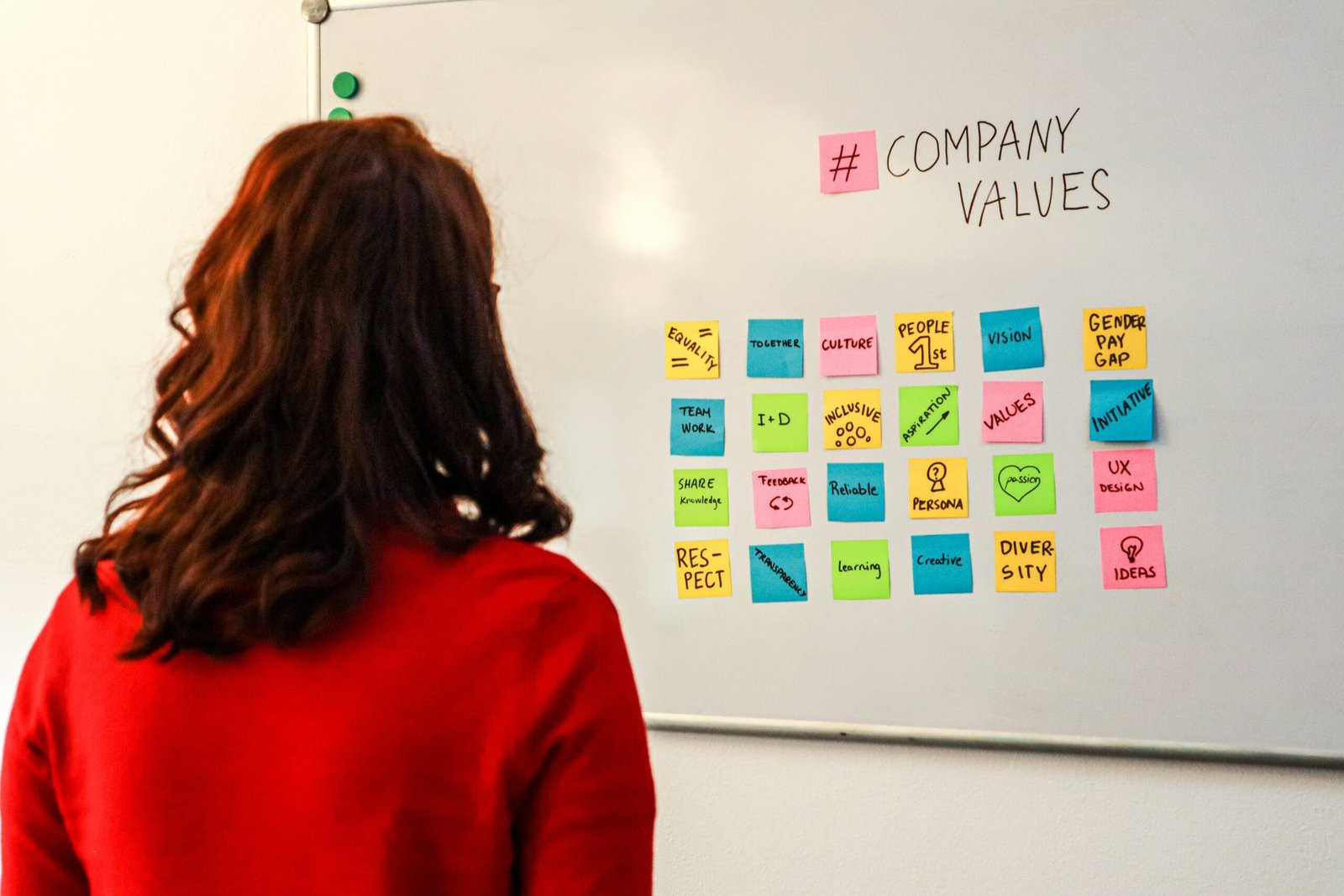
Another vital strategy is to foster an inclusive workplace culture where every employee feels valued and heard. An inclusive environment not only enhances overall motivation but also boosts collaboration and innovation among team members. Organizations should prioritize diversity and inclusion initiatives, encouraging employees to share their ideas and perspectives freely. Creating employee resource groups or holding regular town hall meetings can further strengthen this inclusive culture, ensuring that all voices are considered in decision-making processes. By embracing diversity, organizations position themselves to tap into a richness of thought that can drive motivation and engagement.
Regularly assessing employee feedback is key to maintaining high levels of motivation. Organizations should establish continuous feedback mechanisms that allow employees to express their thoughts on workplace practices, managerial effectiveness, and overall job satisfaction. Surveys, one-on-one check-ins, and suggestion platforms can serve as invaluable tools for gathering insights. By acting on this feedback and demonstrating a commitment to improving the work environment, organizations can enhance employee trust and motivation. Furthermore, remaining adaptive to the feedback received enables businesses to stay aligned with changing employee needs, fostering a more motivated and engaged workforce overall.

