










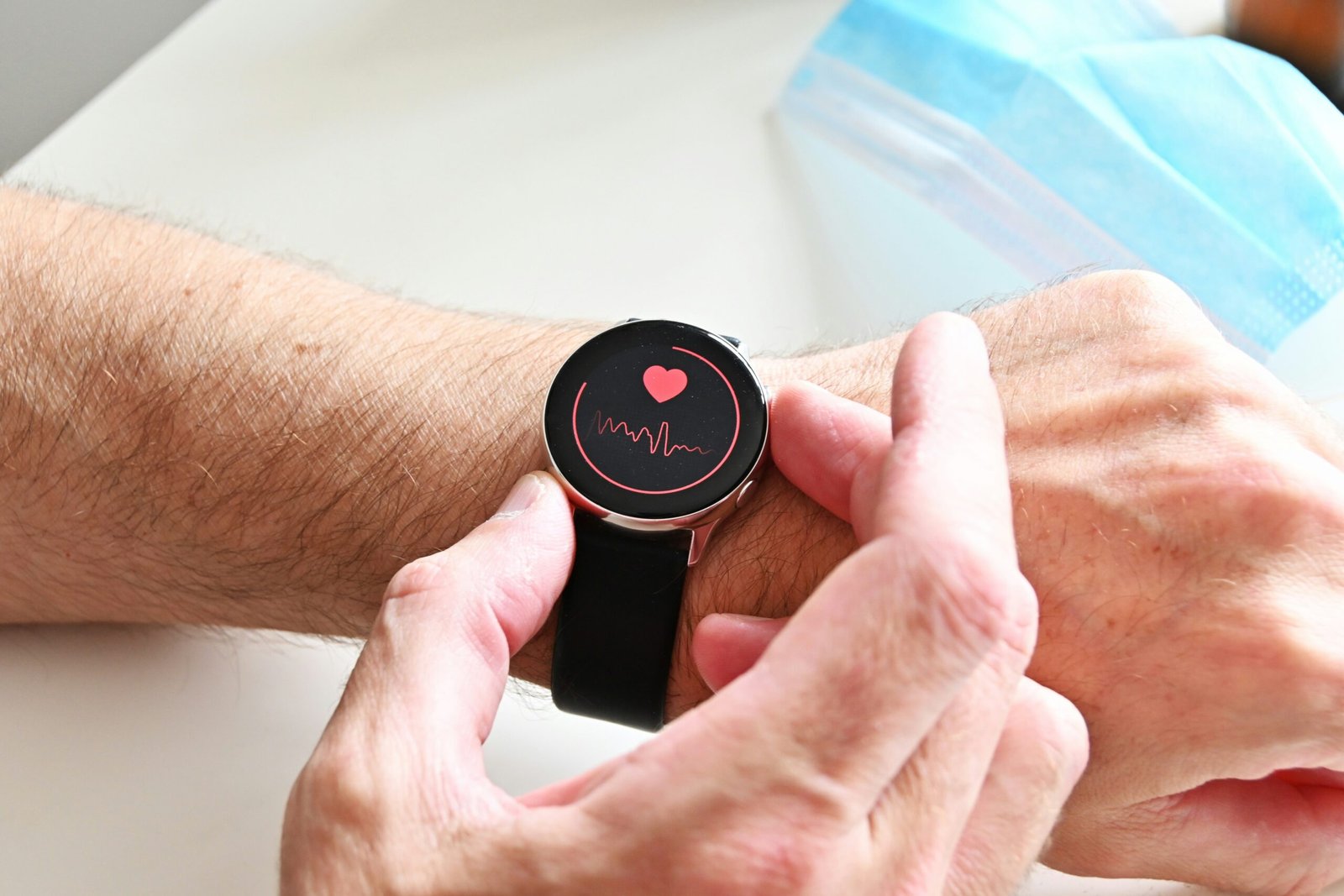
Introduction to Wearable Technology
Wearable technology has evolved significantly over the past few decades, transitioning from basic devices to advanced health monitoring systems that play a crucial role in chronic disease prevention. Initially, fitness trackers dominated the market, providing users with insights into their physical activity levels, heart rate, and calorie expenditure. As technology advanced, so did the capabilities of these devices, leading to the integration of features that can monitor a range of health metrics.
The rise of wearable technology can be attributed to advancements in sensors, data analytics, and mobile connectivity. Today’s wearables encompass a diverse range of devices, including smartwatches, fitness bands, and specialized health monitors, each designed to gather specific health-related data. These devices not only facilitate physical fitness tracking but also allow for continuous monitoring of vital signs, sleep patterns, and even blood sugar levels, catering to individuals with chronic health conditions.
As these devices became more sophisticated, user engagement also increased, leading to a widespread acceptance of wearables as essential health management tools. The integration of wearable technology into daily life means that users can easily track their health metrics without significant disruption to their routines. This compatibility encourages proactive health management, where individuals can monitor their progress and make informed lifestyle choices based on real-time data.
Moreover, manufacturers are continuously innovating, introducing features that promote user interaction and personalization. Advancements such as smartphone notifications, health insights, and integration with telehealth services have enhanced the overall functionality of wearables, making them invaluable for chronic disease prevention. Consequently, wearables have emerged as indispensable allies in the quest for maintaining health and well-being in today’s fast-paced world.
The Impact of Wearables on Chronic Disease Management
Wearable technology has rapidly evolved, becoming an integral part of chronic disease management. Devices such as smartwatches and fitness trackers offer a powerful solution for individuals with chronic conditions like diabetes, hypertension, and heart disease. By continuously monitoring vital signs and tracking physical activity, wearables empower users to take charge of their health in real-time.
One of the most significant advantages of wearables is their ability to monitor critical indicators such as heart rate, blood pressure, and blood glucose levels. For individuals with diabetes, continuous glucose monitors provide invaluable insights into blood sugar fluctuations throughout the day. This data allows users to make informed decisions regarding their diet and medication, ultimately leading to better glycemic control. Similarly, wearable devices that monitor heart rate and blood pressure help individuals with hypertension stay within recommended ranges, alerting them to potential health risks before they escalate.
Additionally, wearables can track physical activity and encourage healthier lifestyle choices. Many devices are equipped with step counters, sleep trackers, and reminders to move, which promote regular exercise. For those managing chronic diseases, consistent physical activity is crucial, as it can lead to weight management and improved cardiovascular health. By gamifying fitness and providing personalized feedback, wearables motivate users to adhere to their health regimens.
Furthermore, these devices facilitate early intervention by alerting users and healthcare providers to concerning trends in health data. For instance, a sudden increase in heart rate or a drop in blood oxygen levels can trigger notifications, prompting users to seek medical advice. This proactive approach enables personalized health strategies tailored to individual needs, ultimately improving overall outcomes for those living with chronic illnesses.
Challenges and Limitations of Wearables
The adoption of wearable technology for chronic disease prevention presents several challenges that must be carefully considered. One significant issue is data privacy. Wearables continuously collect sensitive health information, raising concerns about how this data is stored, utilized, and shared. Users may be apprehensive about potential data breaches or misuse, which can hinder widespread acceptance of these devices. Furthermore, regulations surrounding the privacy of health data vary across regions, complicating the landscape for both manufacturers and users.
Another critical challenge lies in the accuracy of health metrics provided by these devices. While wearables are designed to monitor various health indicators such as heart rate, physical activity, and sleep patterns, discrepancies in data accuracy can occur. Factors such as device calibration, user positioning, and environmental conditions can all affect the reliability of the data collected. Inaccurate health metrics may lead individuals to draw incorrect conclusions about their health status, undermining the effectiveness of chronic disease management.
User adherence is also a significant factor affecting the success of wearable technology. Many users struggle to consistently wear their devices, which diminishes the potential for long-term health insights and behavior changes. Studies have shown that individuals may discontinue use for various reasons, including discomfort, lack of engagement, or insufficient perceived value from the data provided. Educating users on the benefits and proper usage of wearables is essential in overcoming this challenge.
Lastly, the involvement of healthcare providers is crucial in maximizing the effectiveness of wearables in managing chronic diseases. There exists a gap between technology developers and healthcare professionals, which can result in a lack of integration between wearable devices and existing care plans. Opportunities for collaboration between the two parties must be fostered to ensure that wearables are utilized effectively in clinical settings, ultimately enhancing patient outcomes. The multifaceted challenges surrounding wearable technology highlight the need for a comprehensive approach to fully realize its potential in chronic disease prevention.
Future Trends in Wearable Technology for Health
The landscape of wearable technology is rapidly evolving, particularly in the realm of health and chronic disease prevention. One of the most significant trends is the integration of artificial intelligence (AI) within wearable devices. By employing advanced algorithms, wearables can process vast amounts of health-related data in real time, providing users with actionable insights tailored to their specific health needs. For instance, AI can help predict potential health issues by analyzing patterns in heart rate, activity levels, and sleep quality, thus allowing for timely intervention before a problem escalates.
Another notable trend is the seamless integration of wearables with telehealth services. This collaboration enables healthcare professionals to monitor patients remotely, ensuring more personalized care. Patients wearing health trackers can share their data directly with their healthcare providers, facilitating data-driven decisions and immediate adjustments to treatment plans. Such integrations not only enhance the patient experience but also significantly reduce the burden on healthcare systems by preventing unnecessary visits and promoting proactive management of chronic conditions.
The development of smart fabrics and biowearables represents another frontier in wearable technology. These innovative materials can monitor physiological signals without needing traditional electronic components, making them more adaptable and comfortable for daily wear. For instance, a smart shirt could track heart rate and respiratory patterns, providing continuous feedback that can inform both patients and healthcare providers about their health status. The implications for chronic disease management are profound, as these technologies can empower individuals to take charge of their health in a discreet manner, promoting greater adherence to preventive measures.
Looking ahead, the convergence of these trends suggests a future where wearable technology not only supports individual health goals but also transforms healthcare delivery systems. By enhancing the way we approach chronic disease prevention, wearables have the potential to significantly improve patient outcomes and redefine health management protocols.