










Introduction to Sustainable Housing
Sustainable housing refers to the design, construction, and operation of residential buildings that prioritize environmental stewardship, energy efficiency, and resource conservation. This approach to residential development seeks to address the urgent challenges posed by climate change while creating healthier living environments for occupants. The significance of sustainable housing cannot be overstated, as it plays a pivotal role in mitigating the ecological footprint of urban growth and improving the quality of life for communities.
At its core, sustainable housing strives to minimize the use of non-renewable resources, reduce waste, and lower greenhouse gas emissions associated with residential construction and living. These principles are vital for addressing environmental challenges and fostering the development of communities that are resilient and adaptable to future changes. By utilizing sustainable materials, integrating renewable energy technologies, and implementing efficient water and waste management systems, sustainable housing provides a viable solution to our pressing environmental concerns.
Moreover, the focus on sustainability in housing is crucial not only for the planet but also for human health. A well-designed sustainable home can improve indoor air quality, enhance natural lighting, and promote better mental health outcomes among inhabitants. As individuals become more conscious of their environmental impact, the demand for eco-friendly homes continues to grow, driving innovation and investment in sustainable building practices.
As we look towards 2025, several emerging trends in sustainable housing are expected to shape the industry landscape. These trends will incorporate advanced technologies, innovative design strategies, and a greater emphasis on community-centric living. By acknowledging the profound influence of sustainable housing, we pave the way for a more sustainable future in residential development.
Innovative Building Materials
The realm of sustainable housing is witnessing remarkable advancements in building materials, heralding a new era of eco-friendly construction practices. These innovations are primarily focused on renewable resources, with materials such as bamboo, recycled steel, and mycelium-based substances gaining prominence. Bamboo, known for its rapid growth and ability to absorb CO2, is increasingly recognized for its strength and versatility. Its use in residential and commercial construction not only reduces the demand for traditional timber but also contributes to lower carbon footprints, reaffirming its status as a sustainable alternative.
Recycled steel represents another significant advancement in building materials for sustainable housing. The use of steel salvaged from decommissioned structures mitigates the environmental impact of mining and manufacturing processes. This renewable resource is not only durable and resilient but also contributes to energy efficiency when properly insulated. Integrating recycled steel into the design of homes can yield structures that are both robust and cost-effective, supporting green building practices.
Furthermore, mycelium-based materials, derived from fungi, are emerging as pioneering resources in sustainable architecture. These organic materials possess impressive insulating properties and can be crafted into a variety of shapes, effectively minimizing waste during production. Notably, the production process of mycelium is characterized by low energy consumption, which further enhances their appeal in sustainable construction.
Emerging trends such as 3D printing technologies are also revolutionizing the landscape of innovative building materials. This cutting-edge technique allows for the creation of customized, eco-friendly designs that significantly reduce waste. By using sustainable materials in conjunction with 3D printing methods, the construction industry can enhance the efficiency of resource utilization while delivering personalized housing solutions.
Smart Home Technology and Energy Efficiency
The integration of smart home technology is becoming an essential facet of sustainable housing, particularly as we move towards 2025. These innovations are not just enhancing convenience; they are playing a pivotal role in driving energy efficiency in residential settings. Automated energy systems, for example, empower homeowners to monitor and control their energy usage in real-time, leading to a significant reduction in consumption. By utilizing energy monitoring appliances, individuals can identify high-energy-consuming devices and make informed decisions on usage patterns, ultimately fostering a culture of resource conservation.
Smart thermostats represent another impactful advancement in this realm. By learning the habits of the inhabitants and adjusting temperature settings accordingly, these devices can significantly mitigate energy waste. Homeowners can program their thermostats to optimize heating and cooling schedules based on occupancy patterns, thereby enhancing comfort while lowering energy expenditures. This seamless efficiency is particularly valuable in reducing carbon footprints and promoting an environmentally considerate lifestyle.
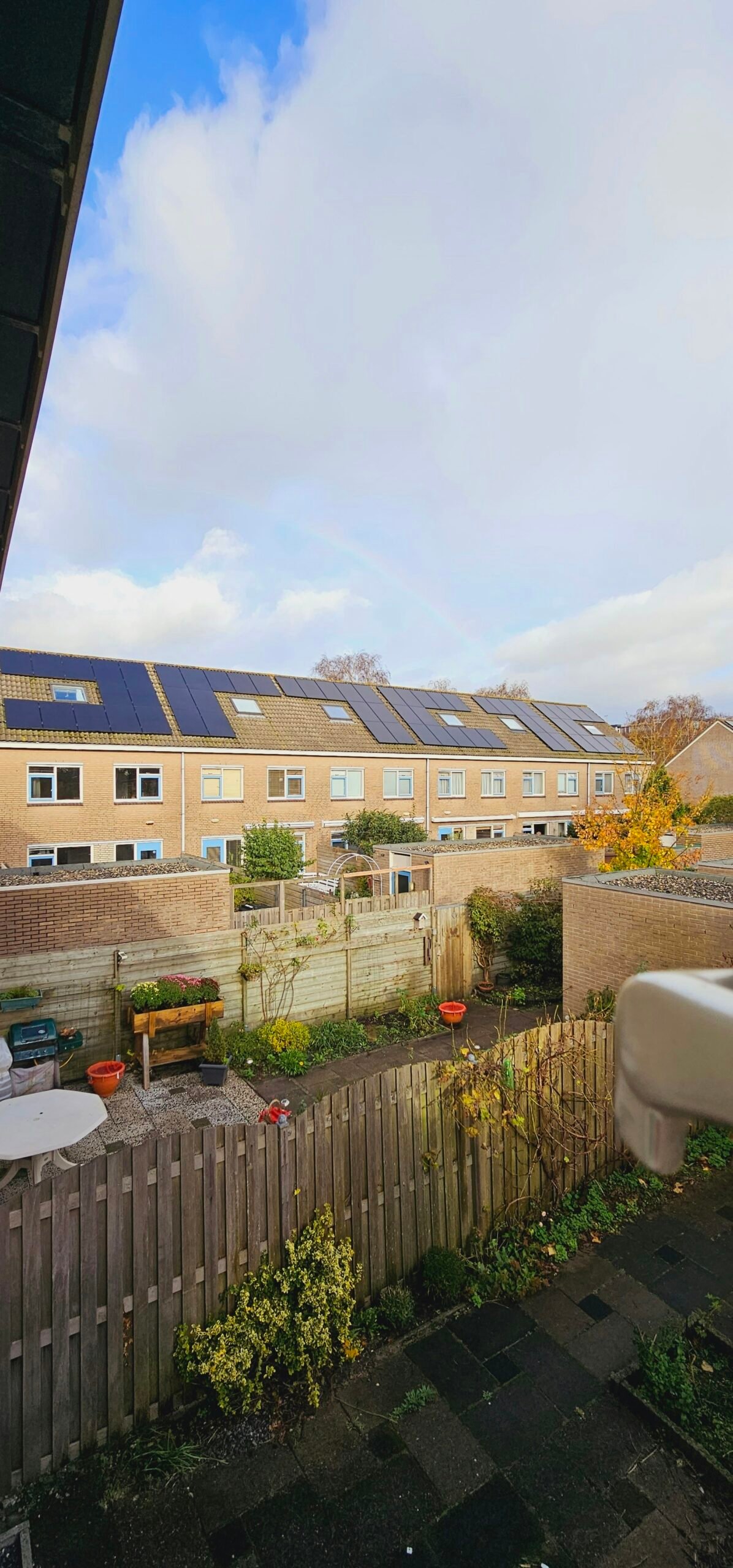
Furthermore, the integration of renewable energy sources is integral to maximizing the benefits of smart home technologies. Solar panels and wind turbines are increasingly being utilized to create self-sustaining housing environments. When paired with smart energy management systems, these renewable installations can effectively reduce reliance on fossil fuels. Homeowners can generate their own electricity, thus minimizing utility bills while contributing to the larger goal of sustainability.
In conclusion, the convergence of smart technology and energy efficiency is transforming the housing landscape. As we advance towards 2025, embracing these innovative solutions will not only lower utility costs but also reinforce the global commitment to a sustainable future. By optimizing energy consumption and harnessing renewable resources, smart homes are poised to lead the way in sustainable housing trends.
Community and Urban Planning Trends
As we look towards 2025, the role of community and urban planning is increasingly pivotal in creating sustainable housing trends. A notable shift is observed towards mixed-use developments, which seamlessly combine residential, commercial, and recreational spaces. This integration fosters vibrant neighborhoods that not only accommodate living spaces but also promote local economies and reduce the need for extensive commuting. In turn, this approach mitigates environmental impacts, supporting the overarching goal of sustainability.
Another significant aspect of community planning is the incorporation of urban gardens and green spaces. These initiatives not only enhance the aesthetic appeal of neighborhoods but also provide residents with the opportunity to engage in community gardening, thereby promoting food security and social cohesion. Green spaces serve as critical areas for relaxation and recreation, contributing positively to the mental and physical well-being of the community members.
Moreover, the emphasis on walkability in urban planning cannot be overstated. Designing neighborhoods that prioritize pedestrian access encourages residents to walk or bike instead of relying on personal vehicles. This transformation contributes to reduced carbon footprints and fosters a stronger sense of community as people are more likely to interact within their neighborhoods. Coupled with improved public transportation systems, residents gain the ability to navigate their communities with convenience while minimizing reliance on single-occupancy vehicles.
Access to communal resources such as libraries, parks, and recreational facilities further encourages sustainable living by creating a sense of ownership and responsibility within communities. Future policies and regulations are anticipated to bolster these trends by incentivizing sustainable practices and mandating eco-friendly construction standards. Communities designed with sustainability in mind will undoubtedly yield long-term benefits, aligning with the objectives of not only fostering livable spaces but also contributing to the health of the planet.