









Introduction to AI in Management
Artificial intelligence (AI) has increasingly become a cornerstone of modern management practices, fundamentally altering how organizations approach decision-making processes. The evolution of AI technologies over the past few decades has transformed not only the efficiency of operations but also the strategies employed by management teams. Today, AI-powered decision support systems (DSS) play a pivotal role in synthesizing vast amounts of data, allowing managers to make informed and timely decisions.
AI technologies have advanced significantly, transitioning from basic computational tools to sophisticated algorithms capable of learning from data patterns. These systems excel in providing actionable insights by leveraging techniques such as machine learning, natural language processing, and big data analytics. Consequently, AI-powered decision support systems can enhance the decision-making efficiency and effectiveness of organizations across various sectors.
The significance of AI in management is underscored by the multitude of benefits it offers. One of the primary advantages is the speed at which data can be processed. Unlike traditional methods, AI can analyze information in real time, enabling managers to react swiftly to dynamic market changes and emerging business challenges. Moreover, the accuracy of decisions is significantly improved, as AI minimizes human error and biases that often plague manual analysis. By providing data-driven insights, these systems empower organizations to discern complex patterns and trends, leading to better predictions and strategic planning.
In addition to speed and accuracy, AI’s capability to handle enormous data volumes is transformative. The modern business environment is characterized by an overload of information, and AI tools are adept at filtering and interpreting this data to yield meaningful insights. As a result, organizations that incorporate AI-powered decision support systems into their management practices are positioned to gain a competitive advantage, becoming more agile and informed in their decision-making endeavors.
Key Components of AI-Powered Decision Support Systems
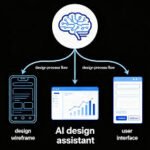
AI-powered decision support systems (DSS) are designed to assist managers in making informed decisions by leveraging advanced technologies and data analytics. The fundamental components that constitute these systems include data collection, data processing, machine learning algorithms, and user interfaces, all working synergistically to provide actionable insights.
Data collection is the first critical component of these systems. It involves gathering relevant data from various sources, which can include both structured and unstructured data. Structured data refers to information that is highly organized and easily searchable, such as databases and spreadsheets. In contrast, unstructured data encompasses less organized content like text documents, images, and social media posts. By integrating multiple data sources, the quality and comprehensiveness of the information available for analysis are significantly enhanced.
The next step is data processing, which involves cleaning, transforming, and organizing the collected data to make it suitable for analysis. This process ensures the elimination of inaccuracies and inconsistencies, thus improving data reliability. Effective data processing is crucial, as the insights generated from the analysis are only as good as the data fed into the system.
Machine learning algorithms play a pivotal role in AI-powered decision support systems. These algorithms analyze processed data, identifying patterns and trends that may not be easily discernible to human analysts. Through techniques such as predictive modeling, clustering, and classification, machine learning enables systems to make informed recommendations based on historical data and dynamic trends.
Lastly, user interfaces provide the means through which managers interact with the decision support system. A well-designed interface ensures that data visualization is intuitive and insights are easily accessible, facilitating timely decision-making. By integrating all these components effectively, AI-powered decision support systems can enhance the decision-making process, ultimately leading to more successful management outcomes.
Real-World Applications of AI in Management
Artificial Intelligence (AI) has become an increasingly essential tool in the realm of management. Organizations across various industries are leveraging AI-powered decision support systems to navigate complex business challenges and enhance operational efficiency. A notable example can be found in the retail sector, where companies utilize AI algorithms to predict market trends and customer preferences. By analyzing historical sales data, consumer behavior, and external market factors, these algorithms provide insights that guide inventory management and promotional strategies, ultimately leading to optimized sales performance.
In the realm of customer service, chatbots have emerged as a prevalent application of AI technology. Enterprises are integrating these automated systems into their customer service channels, enabling them to offer real-time assistance and support. By utilizing natural language processing (NLP), chatbots can understand and respond to customer inquiries accurately, thereby improving customer satisfaction while reducing response times. This utilization of AI not only enhances the customer service experience but also allows human agents to focus on more complex queries, improving overall efficiency.
Additionally, AI’s role in supply chain management illustrates its transformative potential in operational processes. Organizations have implemented AI-driven analytics to streamline logistics and forecasting. By analyzing data from various sources, including suppliers and market dynamics, AI systems enable businesses to optimize inventory levels, reduce lead times, and enhance fulfillment accuracy. This not only leads to cost savings but also improves responsiveness to market changes, thereby ensuring a competitive advantage.
In summary, the incorporation of AI-powered decision support systems across different sectors demonstrates a significant impact on business performance. Through case studies highlighting applications such as market trend prediction, enhanced customer service, and improved supply chain management, it is evident that AI technologies can facilitate smarter decision-making and foster competitiveness in today’s rapidly evolving business landscape.
Future Trends and Considerations in AI-Driven Management
The field of AI-powered decision support systems in management is rapidly evolving, with several emerging trends set to shape the future landscape. One of the most significant advancements is the increasing use of neural networks, which enhance machine learning capabilities by simulating human thought processes. This technology allows organizations to analyze vast amounts of data efficiently, uncovering patterns and insights that can drive strategic decision-making. Managers will need to embrace such technologies to remain competitive, as they offer the ability to harness complex datasets for improved outcomes.
Another pivotal trend is the sophistication of natural language processing (NLP). By enabling machines to understand and process human language, NLP is transforming how information is communicated within organizations. This technology empowers managers to interact with data intuitively, extracting vital insights through dialogue with AI systems. As NLP capabilities advance, decision support systems will become more user-friendly, encouraging broader adoption among management practitioners.
Furthermore, the development of advanced predictive analytics is vital for forecasting future trends and making informed decisions. Analytics tools that leverage AI can analyze historical data and predict future scenarios, aiding managers in navigating market uncertainties. However, as businesses increasingly depend on these technologies, they must be mindful of ethical considerations surrounding data privacy and security. The potential for biased algorithms necessitates vigilant scrutiny to ensure fairness and transparency in decision-making processes.
In addition to technological advancements, the importance of human oversight remains paramount. Managers must strike a balance, integrating AI capabilities while upholding ethical decision-making frameworks. Preparing for this evolving landscape necessitates extensive training for individuals to effectively collaborate with AI systems. By equipping themselves with the necessary skills and understanding, businesses can enhance their adaptability and responsiveness to the dynamic environment shaped by AI-driven management.