










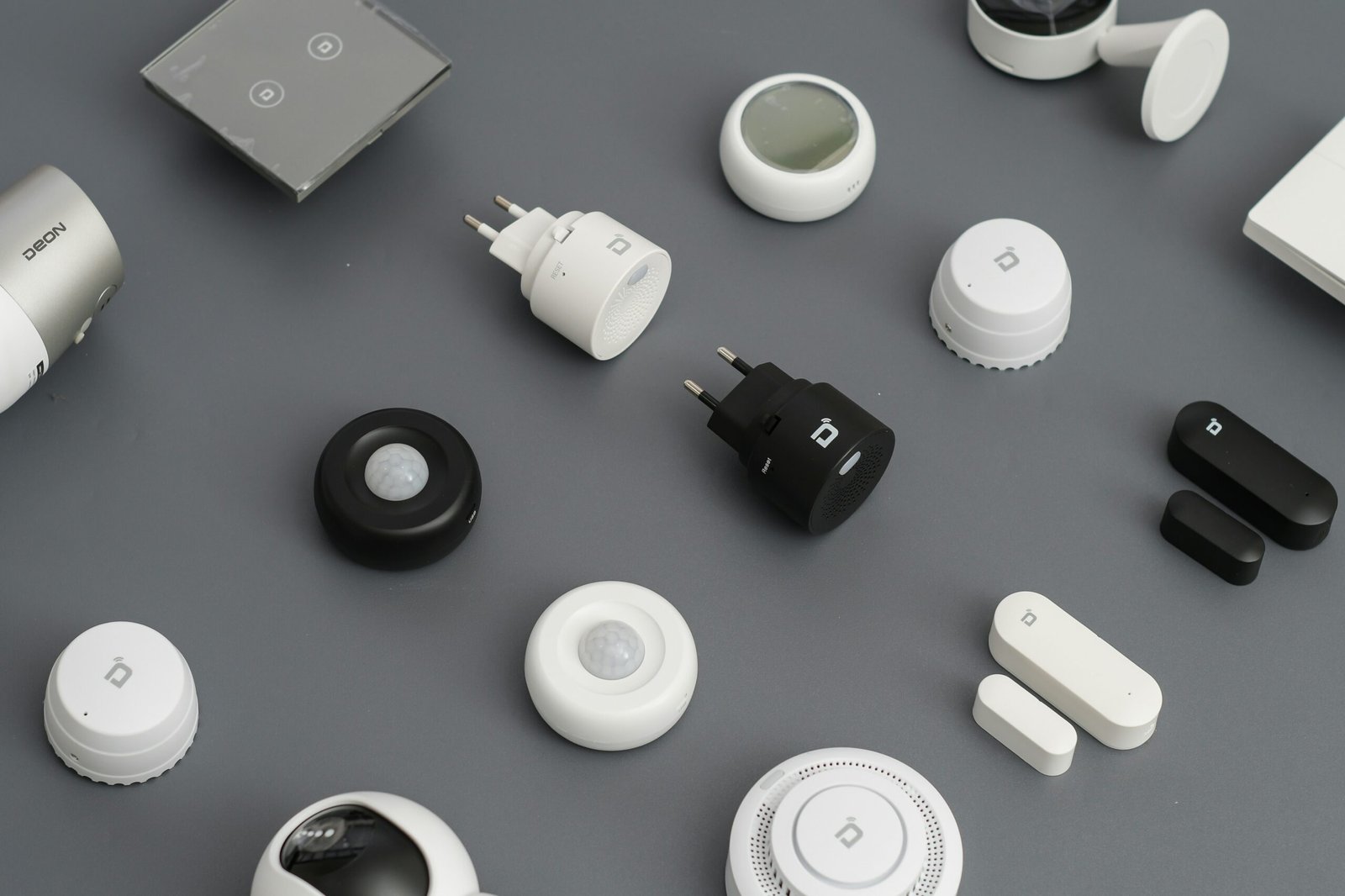
Introduction to Smart Home Technology
Smart home technology refers to a collection of devices and systems that connect to a central hub or network, allowing users to control various functions and appliances within their home remotely or automatically. As our lives become increasingly fast-paced, the significance of smart home technology in modern households has surged. This rise can be attributed to rapid advancements in technology, including the proliferation of Internet of Things (IoT) devices, which enable greater connectivity and control.
Recent surveys indicate a notable increase in the adoption rates of smart home systems among consumers. More households are incorporating smart technology to enhance daily living. Smart lighting, thermostats, security cameras, and appliances are just a few examples that illustrate this trend. These systems not only provide convenience but also promote energy efficiency, which is becoming a predominant concern for many consumers. By enabling users to monitor and manage energy consumption effectively, smart home devices contribute to both cost savings and environmental sustainability.
Enhanced security is another critical advantage of smart home technology. With features such as remote camera access, motion sensors, and automated door locks, homeowners can maintain improved safety and control over their living spaces. The integration of advanced technologies in security systems empowers users to respond to potential threats in real time, contributing to an increased sense of safety and peace of mind.
As households increasingly recognize the advantages of integrating smart technologies, understanding consumer preferences becomes essential for manufacturers and service providers alike. The evolving landscape of smart home technology portrays an intricate relationship between innovation, market demands, and user experiences, ultimately shaping the future of home automation.
Key Findings from Recent Consumer Surveys
Recent surveys conducted on consumer preferences in smart homes have yielded insightful data regarding the choices and motivations of individuals investing in smart home devices. One of the most striking findings is the popularity of specific devices among consumers. According to the surveys, smart speakers, security cameras, and smart thermostat systems are frequently identified as the top three most sought-after devices in the smart home ecosystem. This overwhelming preference exemplifies the increasing integration of technology into daily routines, aimed at enhancing convenience, safety, and energy efficiency.
Beyond mere popularity, the surveys reveal a deeper understanding of the reasons driving consumer preferences. Usability emerged as a significant factor, with many respondents expressing that they value devices which are intuitive to operate and easy to integrate into their existing home systems. Consumers are less inclined to invest in devices that require extensive technical knowledge or complicated setup procedures. Another contributing factor identified is the growing trend of sustainability, where eco-conscious consumers tend to prefer devices that offer energy-saving features and promote reduced energy consumption.
Demographic analysis also plays a crucial role in understanding these consumer preferences. Younger consumers, particularly millennials and Gen Z, showcased a stronger inclination towards adopting smart home technology compared to older generations. This demographic is more likely to prioritize brand loyalty and the reputation of the manufacturers, making them susceptible to marketing strategies that emphasize innovation and social responsibility.
In conclusion, the recent consumer surveys provide critical insights into the evolving preferences in smart home technology. As society becomes increasingly reliant on automation and connectivity, understanding these preferences becomes essential for manufacturers and retailers aiming to meet the demands of an ever-growing market.
Factors Influencing Consumer Choices in Smart Home Purchasing
The smart home market has witnessed a significant transformation in consumer purchasing behavior, influenced by a multitude of factors. One of the most critical elements is price sensitivity. Many consumers assess their budget constraints and weigh the perceived value of smart home products against their costs. As smart home technology continues to evolve, price comparison has become easier, prompting consumers to seek competitive pricing while ensuring quality. This shift towards a price-sensitive approach has compelled manufacturers to adopt more flexible pricing strategies, making smart devices more accessible.
Another vital factor is the role of product reviews and recommendations. With the rise of e-commerce, consumers can readily access user-generated content and expert opinions regarding smart home devices. Positive reviews can significantly influence purchasing decisions, as potential buyers often rely on the experiences of previous customers to gauge the performance and reliability of a product. Consequently, companies are increasingly focusing on enhancing their online presence and engaging with consumers through social media and review platforms to build trust and credibility.
Compatibility with other devices is also paramount in consumer decision-making. As households often employ multiple smart devices, the integration of new products with existing systems becomes crucial. Consumers tend to prefer devices that are compatible with popular ecosystems, such as Google Home or Amazon Alexa, as this ensures seamless operation within their smart home environment. Additionally, installation requirements can impact purchasing behavior; consumers often lean towards devices that are easy to install or come with professional installation services to avoid complexity and potential challenges.
Lastly, privacy concerns have surfaced as a major issue influencing consumer choices. As smart home devices collect and process personal data, buyers are increasingly cautious about potential security vulnerabilities. Companies that prioritize transparent data usage policies and robust security measures tend to gain consumers’ trust, while those that fail to address privacy concerns may lose market share. Recognizing these diverse factors allows us to appreciate the complex landscape of consumer preferences in the smart home market today.
Future Trends in Smart Home Consumer Preferences
The landscape of smart home technology is continuously evolving, driven by rapid advancements and changing consumer preferences. As we look to the future, several trends are anticipated to shape the direction of consumer preferences in this sector. One of the primary areas of focus is the increasing demand for sustainable products. As awareness of climate change grows, consumers are more likely to gravitate towards energy-efficient smart home devices that contribute to reducing their carbon footprint. Manufacturers will need to innovate and integrate eco-friendly technologies into their offerings to meet this rising expectation.
In addition to sustainability, the integration of artificial intelligence (AI) is expected to play a significant role in the evolution of smart homes. Consumers are seeking solutions that offer convenience and automation, allowing them to manage multiple devices seamlessly. AI-driven smart home systems that learn user behavior and preferences will enhance the user experience, making technology more intuitive. This trend highlights the need for manufacturers to invest in advanced AI capabilities that personalize and improve functionality, ultimately providing tailored solutions to meet varying consumer needs.
Moreover, the demand for personalized smart home solutions is likely to increase as consumers seek products that cater specifically to their lifestyles. This shift implies that manufacturers will need to adopt a more consumer-centric approach, conducting thorough market research to understand the evolving preferences of their target audience. Customization options, such as adjustable settings and flexible device configurations, will become key differentiators in the marketplace.
As smart home technology continues to progress, understanding consumer preferences will remain crucial. Manufacturers that can anticipate these trends and adapt their products accordingly will not only foster loyalty but also position themselves as leaders in the smart home market. By aligning product offerings with the expectations surrounding sustainability, AI integration, and personalization, the future of smart homes will likely reflect a harmonious blend of innovation and consumer empowerment.