









Understanding Generative AI
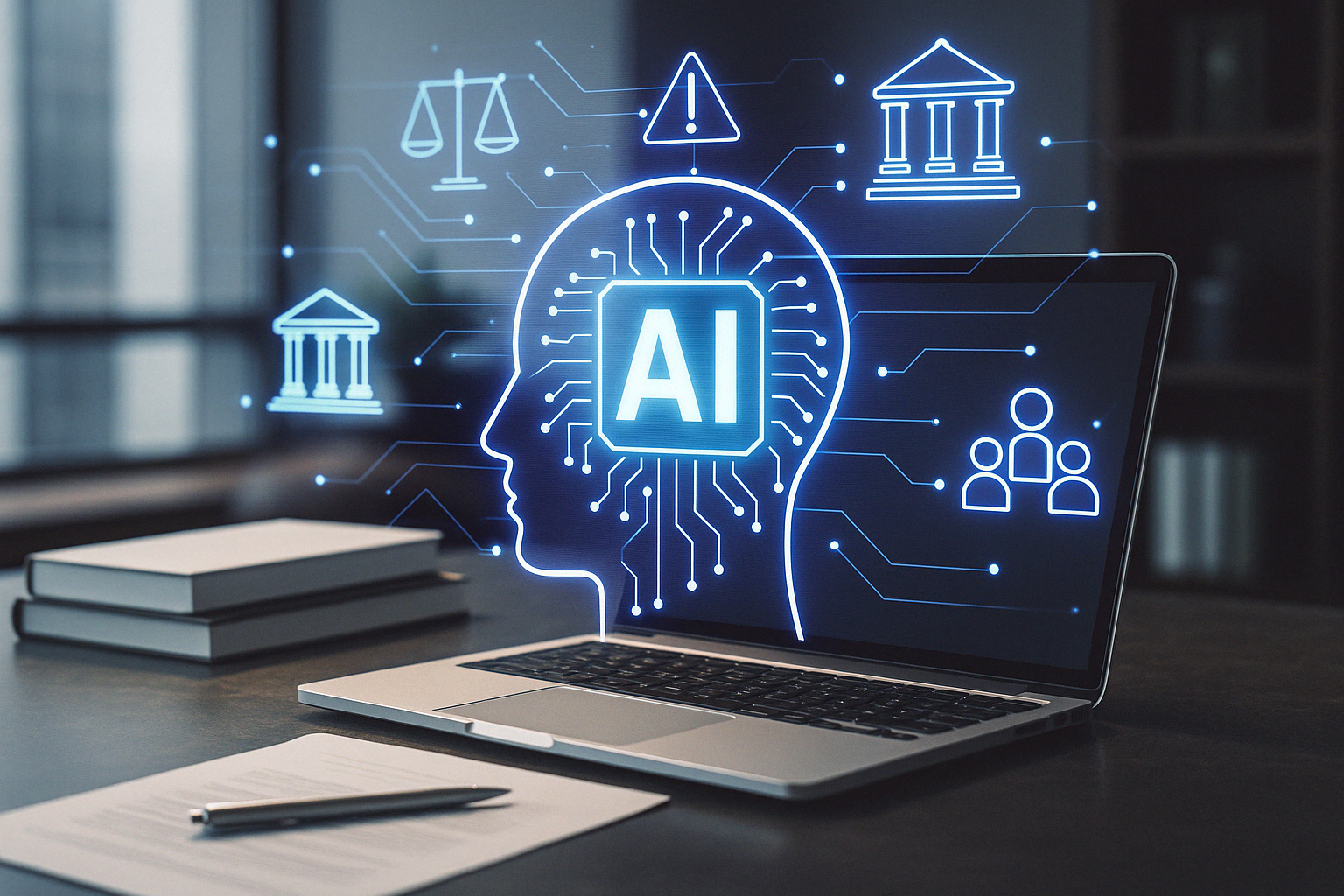
Generative AI, an innovative subset of artificial intelligence, encompasses algorithms designed to generate new content from existing data. This technology has advanced significantly through various mechanisms, notably Natural Language Processing (NLP) and machine learning. NLP enables machines to understand, interpret, and produce human-like text, which proves invaluable in sectors requiring extensive documentation, such as legal and policy drafting.
At its core, generative AI utilizes vast datasets to learn patterns, structures, and linguistic nuances. Through techniques such as deep learning, these algorithms can analyze and synthesize information, producing text that closely resembles human writing. This capability places generative AI at the forefront of transforming how professionals approach tasks involving written content. For instance, in legal fields, it can automate the drafting of contracts, briefs, and other legal documents, ensuring consistency and accuracy while minimizing human error.
The relevance of generative AI extends beyond mere text creation. It includes enhanced decision-making processes by providing comprehensive analyses of large volumes of data, allowing policymakers to craft informed strategies. Additionally, the applications are not limited to text generation; generative AI can assist in visual content creation, coding, and even music composition, showcasing its versatility across various sectors.
There are different types of generative models, such as Generative Adversarial Networks (GANs), which pit two neural networks against each other, enhancing the quality of the output. Furthermore, Transformer models, popularized by their capability to process sequences of data efficiently, are employed extensively in modern applications. These technologies are crucial not only to understanding generative AI but also in shaping its implementation in policy drafting, enhancing the process’s efficiency and effectiveness.
Benefits of Generative AI in Policy Drafting
The integration of generative AI into the realm of policy drafting brings forth numerous advantages that can revolutionize the way policies are formulated and articulated. One notable benefit is the enhancement of efficiency. Traditional policy drafting processes often involve labor-intensive tasks, where human resources spend considerable time gathering information, analyzing data, and producing written documents. Generative AI streamlines these activities by automating data collection and analysis, significantly reducing the time required to produce drafts or revisions. This allows policymakers to allocate their efforts towards more strategic activities rather than being bogged down by routine tasks.
Another compelling benefit is the potential for cost reduction. By utilizing generative AI tools, organizations can minimize the need for extensive human resources traditionally required for drafting policies. The reduction in labor costs can free up budgetary resources that can be redirected towards other critical areas such as implementation, monitoring, and evaluation of policies. Consequently, the overall process of policy development becomes not only faster but also more economically viable.
Generative AI also enhances the accuracy of policy documents. The technology can analyze vast quantities of data with a level of precision that human drafters may find challenging to achieve. By offering data-driven insights and evidence-based recommendations, AI contributes to formulating policies that are not only comprehensive but also reflective of current realities. Numerous case studies demonstrate this improvement; for instance, organizations utilizing AI have reported a marked decline in errors and inconsistencies within their policy documents, which strengthens the credibility of the policies being presented. Moreover, AI-generated drafts can serve as a solid foundation for human experts to refine, ensuring that the final documents benefit from both automation and human insight.
Challenges and Limitations
The integration of generative AI in policy drafting introduces several challenges and limitations that merit careful consideration. One of the foremost concerns is the quality and reliability of the content produced by AI algorithms. Although AI can generate text based on vast datasets, the lack of contextual understanding may result in drafts that are legally ambiguous or contextually inappropriate. This inherent limitation raises questions about the suitability of AI-generated text for formal policy documents.
Moreover, the risk of biases in AI algorithms poses significant challenges. AI systems learn from existing data, which may inadvertently embed societal biases into the content they generate. This can lead to policies that unintentionally favor certain groups over others or perpetuate stereotypes, ultimately undermining fairness and equity in policy implementation. Addressing these biases is essential to ensure that the policies drafted reflect the diverse perspectives and needs of the community.
Another critical issue is the potential for misinterpretation of legal language by AI. Legal texts often contain nuanced terminology and specific phrasing that can significantly alter their meaning. AI may not fully grasp these complexities, leading to misinterpretations that could have serious legal implications. As such, using generative AI without sufficient human oversight can jeopardize the integrity of the policy drafting process.
Ethical considerations also come into play, particularly regarding transparency and accountability. Public trust in policy decisions may diminish if stakeholders perceive that critical decisions are being made by machines rather than human experts. This concern is heightened when the implications of policy drafts affect the lives of individuals or communities. Thus, it is imperative that human oversight remains an integral component of the policy drafting process to safeguard ethical standards and build trust among stakeholders.
The Future of Policy Drafting with Generative AI
As generative AI continues to evolve, its implications for policy drafting are profound and transformative. The future landscape of policy-making will likely see a significant enhancement in efficiency and precision, driven by advancements in AI technology. These advancements will empower policymakers to generate complex drafts swiftly, allowing for more extensive consultation periods and greater stakeholder engagement. As generative AI tools become more sophisticated, one can anticipate an increase in their capability to analyze vast datasets, thus providing rich insights that can inform better policy decisions. This data-driven approach could facilitate a more responsive and adaptive policy framework, aligning with the rapidly changing societal needs.
Emerging trends indicate that the integration of generative AI will necessitate a shift in how professionals approach policy drafting. Policymakers may need to develop new skill sets, including proficiency in AI tools, to effectively collaborate with these advanced systems. Understanding the limitations and potentials of generative AI will be crucial for ensuring that human oversight remains a vital component of the policy drafting process. Moreover, embracing collaborative approaches, where AI complements human expertise, is likely to become the norm rather than the exception. This shift could redefine roles within policy-making offices, fostering an environment that encourages innovation and creativity alongside technology.
However, the long-term impact of generative AI on governance and political processes raises critical questions. Will the reliance on AI systems lead to a detachment from traditional methods of public engagement? How can policymakers ensure that technology serves the public interest without undermining democratic principles? As these questions linger, it is clear that the future of policy drafting with generative AI holds both challenges and opportunities. Policymakers must navigate this complex landscape thoughtfully to harness the potential of AI while safeguarding the values that underpin effective governance.