








Understanding Generative AI
Generative AI refers to a class of artificial intelligence technologies that have the ability to create content autonomously. This capability is primarily powered by advanced algorithms, including natural language processing (NLP) and machine learning (ML). Natural language processing allows machines to understand, interpret, and generate human language in a manner that is coherent and contextually appropriate, while machine learning enables these systems to learn from data and improve their outputs over time.
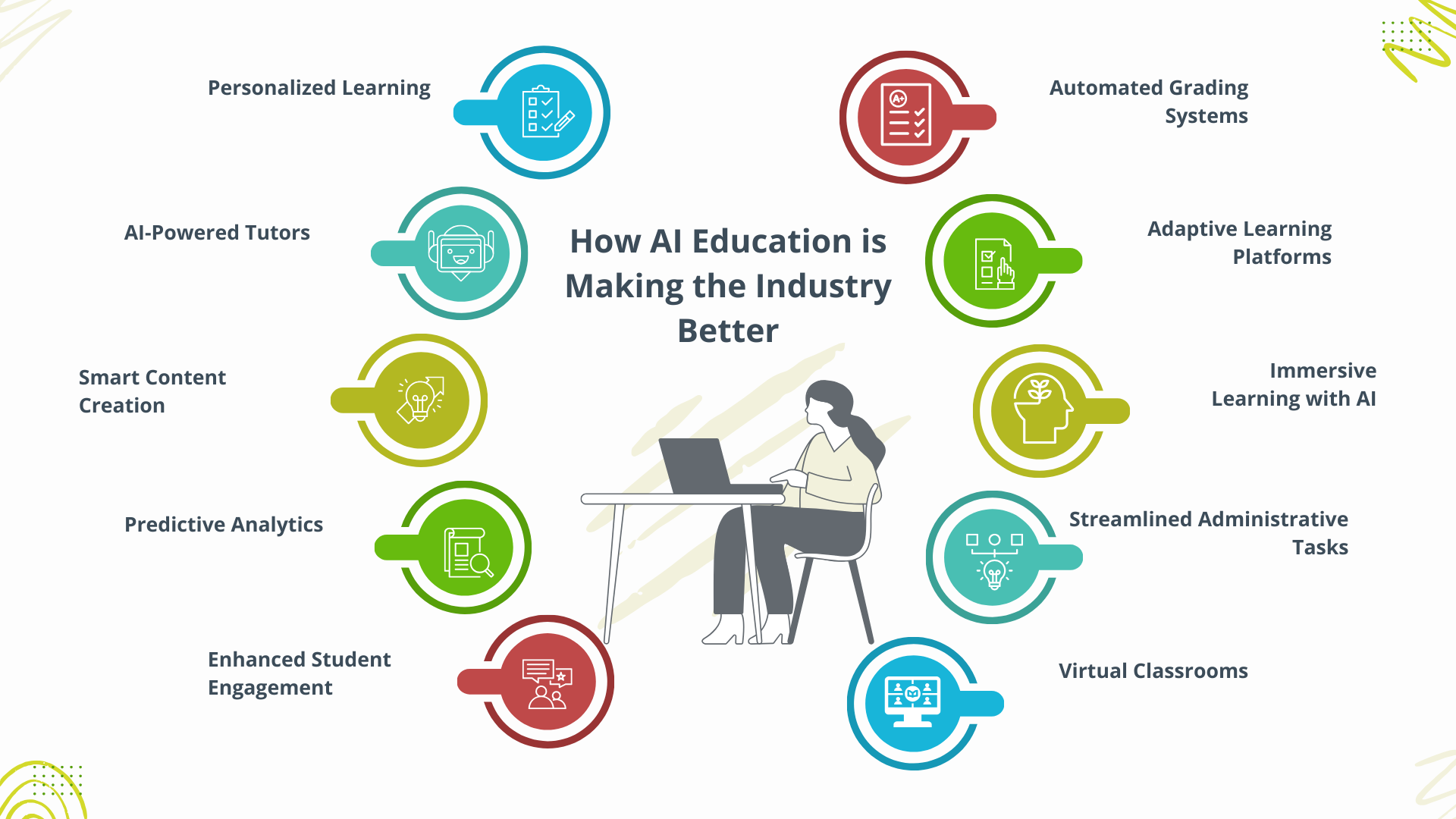
One of the most significant implications of generative AI in education is its potential to create customized learning experiences. By leveraging these core technologies, generative AI can analyze individual student performance and preferences, thereby tailoring the learning materials to meet specific needs. For instance, generative AI can design personalized assignments, quizzes, or reading materials that align with a student’s unique learning pace and style. This adaptive approach fosters a more engaging and effective educational experience.
Moreover, generative AI plays a pivotal role in supporting educators in curriculum development. Educators can utilize generative AI tools to automate content creation, streamline administrative tasks, and generate supplementary resources that enhance existing teaching strategies. For example, some applications enable educators to generate lesson plans or educational games that evoke higher levels of student interaction. The use of these AI-driven solutions ultimately saves time and allows educators to focus on delivering quality instruction.
Several examples illustrate the transformative potential of generative AI in the educational landscape. Applications such as GPT-3, created by OpenAI, demonstrate how AI can generate written content that ranges from essays to creative stories, providing students with a valuable resource for inspiration or guidance. Additionally, platforms like Squirrel AI utilize machine learning algorithms to identify knowledge gaps in students and adjust learning paths accordingly. Through these advancements, generative AI not only revolutionizes curriculum design but also brings forth a future where education is more personalized and efficient.
Transforming Curriculum Design Processes
Generative AI is significantly reshaping traditional curriculum design processes by introducing innovative methods for analyzing learning data, generating tailored educational resources, and developing assessments that cater to a diverse range of learner needs. One of the primary advantages of implementing artificial intelligence in curriculum design is its ability to process vast amounts of data quickly and efficiently. This capacity allows educators to gain insights into student performance, learning preferences, and even potential knowledge gaps. By leveraging these insights, curriculum designers can create more targeted and effective educational experiences that align with the specific needs of their learners.
Furthermore, generative AI tools can automatically generate customized learning materials. These resources can be adjusted in real-time based on the evolving needs and responses of students, ensuring that each individual receives education suited to their ability and understanding. For instance, an AI system could design multimedia content, interactive simulations, or adaptive reading materials that engage different learning styles, ultimately promoting a deeper comprehension of the subject matter.
Additionally, AI can support the development of assessments tailored to varying levels of student capabilities. Using algorithms that analyze previous assessment responses, generative AI can craft individualized testing formats that challenge students appropriately, thereby enhancing their learning experiences. As a result, educators can expect more reliable measurement of learning outcomes, which can inform further adjustments to the curriculum.
However, integrating generative AI into curriculum design is not without challenges. Educators must be prepared to navigate potential issues such as data privacy concerns, the need for training in AI tools, and the risk of over-reliance on technology. Successfully addressing these challenges is essential for maximizing the benefits of AI in education, ultimately leading to more personalized and effective curriculum designs that cater to diverse learner needs.
Enhancing Student Engagement and Learning Outcomes
Generative AI technologies are increasingly influencing curriculum design by fostering enhanced student engagement and improved learning outcomes. One notable aspect of generative AI’s impact is its ability to create interactive learning environments, which serve to captivate students’ attention while accommodating various learning preferences. By personalizing learning experiences, these tools enable students to engage with the content at their own pace, facilitating deeper understanding and retention of knowledge.
Adaptive learning platforms powered by generative AI leverage data analytics to assess individual learner profiles, which allows for a more customized educational experience. For instance, the use of algorithms enables the identification of a student’s strengths and weaknesses, allowing the curriculum to adapt dynamically. This level of personalization caters to differing learning styles—whether visual, auditory, or kinesthetic—ensuring that each student can access the materials in a manner that resonates with them.
Multiple educational platforms exemplify the efficacy of generative AI in enhancing student learning. For example, platforms such as Khan Academy and Duolingo utilize AI-driven mechanisms to adjust the difficulty of exercises based on real-time performance. This not only keeps learners motivated but also results in a more effective use of time spent on learning activities. Additionally, a range of case studies, including those from educational institutions that have integrated AI tools into their curriculum, demonstrate significant improvements in student performance and engagement rates.
Research indicates that when students are actively involved in the learning process through the use of generative AI, they demonstrate increased motivation and satisfaction. This technological advancement, therefore, represents a crucial development in contemporary education, highlighting the importance of curriculum innovation to meet the emerging needs of 21st-century learners. Through generative AI, educators can create tailored educational experiences designed to maximize both engagement and learning outcomes.
Ethical Considerations and Future Implications
As educational institutions increasingly integrate generative AI into curriculum design, several ethical considerations come to the forefront. One of the paramount concerns is data privacy. The utilization of AI often requires access to vast amounts of personal and educational data to create tailored learning experiences. Ensuring that this data is handled with the highest standards of security and confidentiality is critical. Schools and educational bodies must establish clear policies on data collection, storage, and usage to protect student information from unauthorized access and misuse.
Equity in access to AI resources is another significant ethical issue. There is a risk that the benefits of generative AI will not be equally distributed among all students. Schools with more resources may be able to adopt advanced AI technologies, while underfunded institutions might struggle to keep pace. This disparity can exacerbate existing inequalities in education, leading to a digital divide where only some students reap the advantages of personalized learning through AI. Addressing these challenges requires targeted policy interventions to ensure that all students have equitable access to AI-enhanced learning tools.
Moreover, there is the potential for bias in AI-generated materials, which can result in unintentional reinforcement of stereotypes or exclusionary practices. AI systems are trained on data that may reflect historical biases; hence, organizations need to be vigilant in auditing AI content to ensure that it promotes inclusivity and fairness. Careful curation and ongoing evaluation of the AI models utilized in curriculum design are necessary to mitigate these biases and promote a balanced educational experience for all learners.
Looking ahead, the ongoing development of generative AI technologies presents both opportunities and challenges for curriculum design. While AI has the potential to create highly customized learning experiences, educators must remain vigilant about the ethical implications that accompany these advancements. Collaboration between technologists and educators will be key in shaping a future where generative AI enhances learning while upholding ethical standards.