









Understanding Generative AI and its Functionality
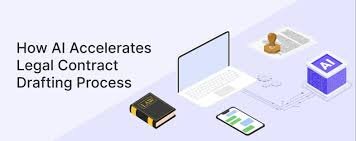
Generative AI represents a class of artificial intelligence capable of producing text, images, or other media in response to specific inputs. This technology leverages complex algorithms and vast datasets to generate coherent and contextually appropriate content. In the realm of document creation, particularly in contract drafting, generative AI employs advanced techniques such as natural language processing (NLP) and machine learning (ML) to enhance efficiency and accuracy.
At its core, natural language processing enables AI systems to comprehend and manipulate human language patterns. By analyzing vast amounts of legal documentation, generative AI can discern the subtleties and intricacies inherent in legal language. This capability allows it to construct contracts that adhere to legal standards and reflect the specific requirements of various scenarios. Machine learning further augments this process by continually refining the model’s understanding based on new data. As it processes more contracts, the AI learns to improve its outputs, making them increasingly relevant and precise over time.
Several prominent tools have emerged within this landscape, showcasing the practical applications of generative AI in contract drafting. Solutions such as Kira Systems and LegalSifter utilize sophisticated algorithms to review and analyze legal texts, identifying key clauses and suggesting modifications. These systems not only accelerate the drafting process but also assist in ensuring compliance with regulatory requirements. Other tools like Contract Express automate the creation of tailored contracts by using templates and user inputs, demonstrating the versatility of generative AI technology in enhancing legal workflows.
By streamlining the drafting process, generative AI tools enable legal professionals to focus on higher-value tasks, ultimately improving productivity while minimizing risks associated with human error in contract creation.
Enhancing Efficiency and Accuracy in Contract Drafting
Generative AI has revolutionized the contract drafting process, marking a significant leap in both efficiency and accuracy. Legal professionals are often burdened with tedious tasks that may consume excessive time, but the integration of AI tools can dramatically alter this landscape. By automating routine tasks such as template generation and clause suggestions, generative AI allows legal teams to focus on more complex, strategic aspects of their work, thereby enhancing overall productivity.
Studies indicate that firms employing generative AI for contract drafting have experienced time savings of up to 50%. For instance, a notable case study revealed that a leading law firm reduced its contract preparation time from several hours to mere minutes by utilizing AI-driven tools. This remarkable reduction not only accelerates the workflow but also frees valuable resources that can be redirected towards client engagement and other critical functions.
Moreover, the precision delivered by generative AI significantly lessens the prevalence of human error. Common drafting mistakes, such as typographical errors or inconsistencies across clauses, can lead to serious ramifications in legal settings. AI systems, trained on vast datasets, can identify and rectify potential errors before they manifest in final documents, thus bolstering the integrity of contracts produced.
Furthermore, generative AI solutions can recommend contextually relevant templates and clauses, facilitating a seamless drafting experience. This feature empowers legal teams to craft more tailored agreements that align with specific requirements, ultimately resulting in enhanced client satisfaction. By integrating these intelligent tools within their workflows, legal professionals can ensure a harmonious balance between efficiency and accuracy, which is essential in today’s fast-paced legal environment.
In conclusion, the transformative impact of generative AI in contract drafting serves as a testament to its potential in streamlining processes and elevating the quality of legal documentation—setting a new standard for efficiency and accuracy in the industry.
Mitigating Risks and Improving Compliance
The advent of generative AI technology has significantly transformed the landscape of contract drafting by mitigating potential risks and enhancing compliance with legal and regulatory standards. Traditional contract drafting often involves the manual inspection of language and clauses, making it prone to human error. However, generative AI tools are adept at identifying ambiguous language and flagging potential legal issues that may not be immediately apparent to human drafters. This functionality is vital in ensuring that the contracts are crystal clear and minimize the risk of misinterpretation or disputes in the future.
Additionally, these AI tools ensure that contracts adhere to applicable laws and standards by performing extensive checks against regulatory requirements. They can analyze existing legal frameworks and suggest revisions to ensure that drafted contracts are compliant with current laws, thereby reducing the likelihood of litigation. This is particularly important in sectors that are heavily regulated, where compliance failures can lead to significant penalties. Furthermore, generative AI possesses the capability to maintain consistency across multiple contracts. In complex transactions involving numerous agreements, maintaining uniformity is crucial. AI can store templates that meet organizational standards and retrieve them when necessary, ensuring a consistent approach to contract drafting.
Another important aspect of AI in contract drafting is its ability to incorporate updates based on new legislation or changing regulations. Generative AI can continuously learn and adapt to regulatory changes, ensuring that contracts reflect the most current legal requirements. This proactive adaptability reduces the risk of using outdated or non-compliant clauses, promoting better compliance overall. By employing generative AI, organizations can streamline their contract processes, mitigate risks, and uphold robust compliance measures, ultimately leading to safer and more reliable business operations.
The Future of Contract Drafting with Generative AI
The integration of generative AI into contract drafting is poised to reshape the legal landscape significantly. As technology continues to advance, we can anticipate substantial enhancements in AI capabilities, allowing for more sophisticated and nuanced drafting processes. This evolution will likely lead to a more streamlined workflow, wherein AI can rapidly generate preliminary drafts, providing legal professionals with a robust starting point. These AI tools will assist lawyers in minimizing mundane tasks, enabling them to focus on strategic aspects of their work.
The implications of generative AI extend beyond mere efficiency; it also calls for a reevaluation of the skills that legal professionals must cultivate. As AI becomes integral to the drafting process, lawyers will need to enhance their understanding of technology. This involves familiarizing themselves with AI algorithms and learning to interpret AI-generated drafts critically. The adaptability of attorneys in combining their expertise with AI tools will be crucial for future success in the legal domain.
However, the infusion of generative AI into contract drafting also raises several ethical considerations. Critical scrutiny is necessary to ensure that AI tools are employed responsibly, particularly concerning data privacy and bias. Legal practitioners will be tasked with navigating these complexities and ensuring that human oversight remains a priority. It is essential to establish frameworks that guide the use of AI, maintaining the integrity of legal processes while harnessing the efficiency of these advanced technologies.
Industry experts anticipate that the future of contract drafting will see a symbiotic relationship between AI and legal professionals. The effective collaboration between human insight and AI-generated content highlights the importance of maintaining rigorous quality checks. As we move into this new age, the legal profession must embrace the transformative potential of generative AI while remaining vigilant against the challenges it presents.