










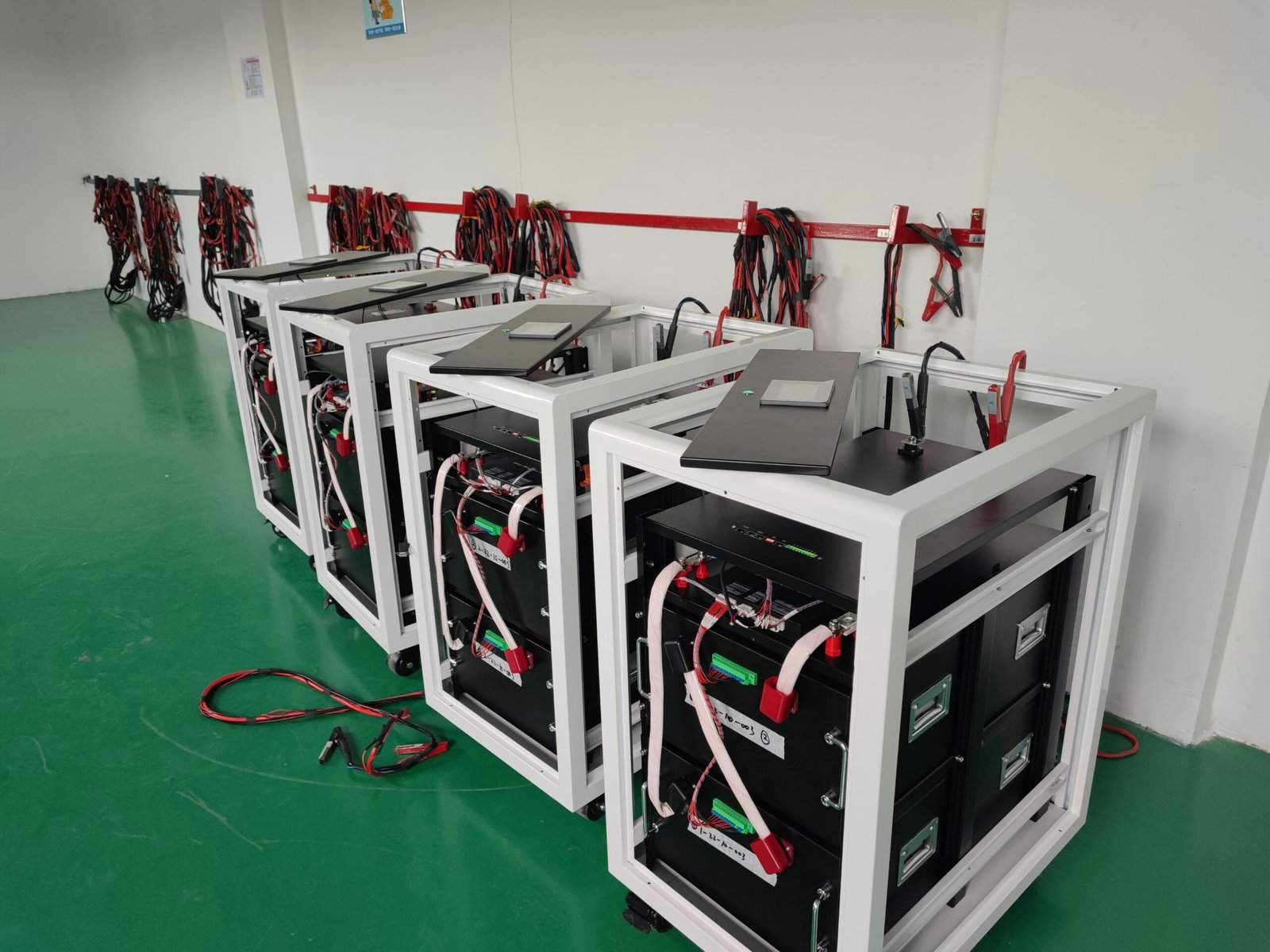
Introduction to Sustainable Storage Technologies
Sustainable storage technologies refer to innovative solutions designed to meet the increasing demands for energy and data storage while minimizing environmental impact. As the world grapples with the dual challenges of rising energy consumption and environmental degradation, these technologies emerge as a pivotal component in the transition towards a sustainable future. Conventional storage methods, which often rely on fossil fuels and materials harmful to ecosystems, contribute significantly to carbon emissions and resource depletion. In contrast, sustainable storage systems aim to utilize renewable resources and offer lower ecological footprints.
This emphasis on sustainability in energy storage encompasses a variety of approaches, such as the development of batteries utilizing sustainable materials, energy-efficient systems, and waste reduction technologies. The concept not only pertains to energy storage but also extends to data storage, where the burgeoning need for data centers and cloud storage poses environmental challenges. Forward-thinking designs that leverage green energy sources, such as solar and wind, are crucial in mitigating the energy consumption linked with traditional data storage operations, which often require substantial electricity to function and cool systems.
Key terms associated with sustainable storage technologies include energy density, lifecycle assessment, and carbon neutrality. Energy density refers to the amount of energy stored per unit volume, which is vital for optimizing storage solutions without requiring excessive physical space. Lifecycle assessment provides a comprehensive evaluation of the environmental impact of storage technologies from their creation to disposal, highlighting the importance of considering sustainability at every stage. Moreover, the goal of achieving carbon neutrality underscores the necessity of balancing the use of resources with their ecological consequences. By establishing a solid understanding of these concepts, we can explore the broader implications and practices surrounding sustainable storage technologies.
Types of Sustainable Storage Solutions
Sustainable storage technologies are crucial for enhancing the efficiency of renewable energy sources while minimizing environmental impact. Among the most prominent options are lithium-ion batteries, which have become the standard for energy storage due to their high energy density and ability to charge quickly. However, the extraction of lithium raises concerns about ecological degradation, prompting research into alternatives that might offer a smaller carbon footprint.
Solid-state batteries represent an intriguing advancement in this field. Unlike conventional lithium-ion batteries, which use liquid electrolytes, solid-state batteries employ solid materials, significantly increasing safety and efficiency. This technology has the potential for longer cycle lives and higher energy densities, making them especially suitable for electric vehicles and grid storage applications.
Flow batteries, particularly vanadium redox flow batteries, have gained attention for their scalability and long-duration energy storage capabilities. These systems can be easily scaled for larger applications, such as renewable energy integration for utilities. Their ability to charge and discharge independently allows for constant output regardless of fluctuating energy sources, thus playing a vital role in stabilizing the energy grid.
Ultracapacitors, known for their rapid charge and discharge capabilities, also represent an innovative solution to energy storage challenges. While they may not provide as much energy storage capacity as batteries, their quick response times make them ideal for applications requiring immediate power support, such as electric public transport systems.
Emerging technologies like sustainable hydrogen storage and organic flow batteries are paving the way for improved approaches to energy sustainability. Hydrogen storage leverages the abundance of hydrogen as a clean energy carrier. Meanwhile, organic flow batteries utilize biodegradable materials, potentially offering a more environmentally friendly alternative. Together, these innovative solutions demonstrate the vast possibilities within sustainable storage technologies and their contributions to a greener future.
Benefits and Challenges of Adopting Sustainable Storage Technologies
The implementation of sustainable storage technologies presents a multitude of benefits that can significantly contribute to both residential and commercial sustainability goals. One of the primary advantages is the reduction of carbon footprint. By utilizing renewable energy sources, such as solar or wind power, sustainable storage systems enable users to store excess energy and reduce reliance on conventional fossil fuels. This transition not only lessens greenhouse gas emissions but also plays a vital role in combating climate change. In addition to environmental benefits, these technologies enhance energy efficiency. Systems such as battery storage allow for better management of energy consumption, thereby leading to potential savings on electricity bills.
Cost savings are another compelling reason for adopting sustainable storage technologies. While the initial investment may be substantial, the long-term financial advantages typically outweigh upfront costs. Over time, businesses and households can experience decreased utility bills, government incentives, and even potential income from selling excess stored energy back to the grid. Consequently, these technologies promote both ecological and economic sustainability, making them an integral part of modern energy strategies.
<phowever, a="" addressing="" adopters,="" adoption,="" also="" an="" and="" as="" availability="" barriers="" battery="" be="" benefits="" can="" capital="" certain="" challenges="" challenges.="" challenges;="" conducive="" contributing="" costs="" countries="" create="" crucial="" deter="" effective="" efficiency,="" environment="" essential="" existing="" facilitate="" finally,="" for="" fostering="" full="" fully="" future.
Future Trends and Innovations in Sustainable Storage
The future of sustainable storage technologies is poised for significant evolution, driven by advancements in various scientific and engineering fields. A prominent area of development is nanotechnology, which has the potential to revolutionize energy storage solutions. By manipulating materials at the atomic level, researchers are exploring ways to create batteries and supercapacitors that offer greater efficiency, enhanced capacity, and reduced environmental impact. The integration of nanomaterials can lead to lighter, more durable, and faster-charging energy storage systems, thus playing a crucial role in the transition towards greener energy sources.
Artificial intelligence (AI) also stands at the forefront of optimizing energy use in storage systems. By leveraging AI algorithms, energy consumption patterns can be analyzed to enhance the management of electric grids and battery performance. Smart storage solutions equipped with AI can predict energy demand, optimize charging cycles, and assess the health of storage units, leading to improved operational efficiency. As a result, the intelligent interplay between AI and storage technologies is expected to foster an era of more responsive and adaptable energy systems, providing a robust framework to support renewable energy integration.
In addition to the technological advancements, recycling and reuse of storage materials are gaining traction. Innovative methods to reclaim valuable components from used batteries, such as lithium or cobalt, contribute significantly to the circular economy. As more manufacturers focus on sustainable fabrication and end-of-life processes, it becomes essential to invest in infrastructure that supports the collection and recycling of spent storage devices. The emphasis on a sustainable lifecycle for storage technologies underlines their potential to address energy challenges while minimizing environmental footprints.
These upcoming trends and innovations signal a promising future for sustainable storage solutions. Continued research and development are vital to meet the increasing energy demands of a growing population while ensuring the ecological integrity of our planet. As we navigate the complexities of energy sustainability, the commitment to integrating cutting-edge technology will pave the way for a greener future.

