










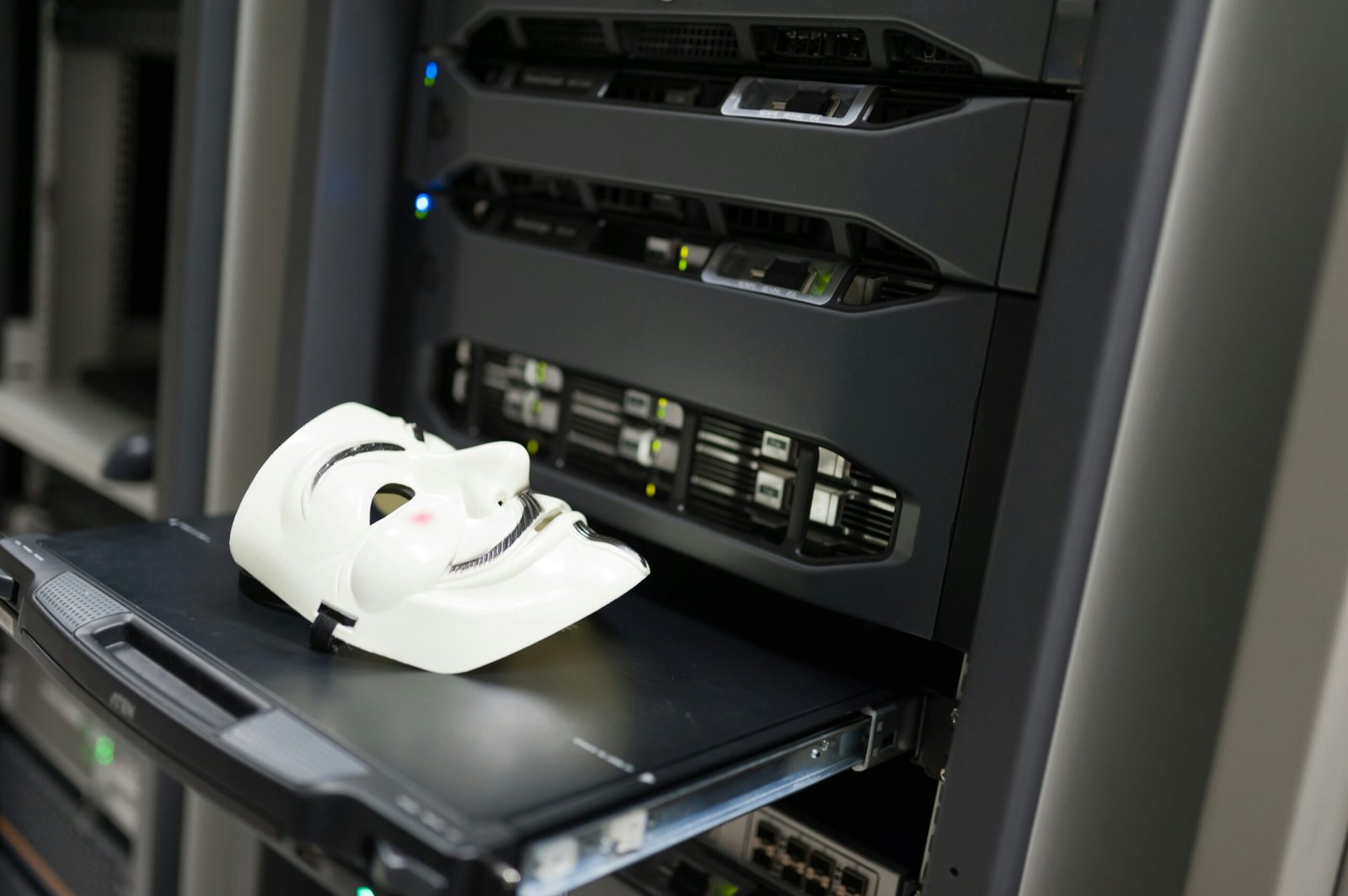
Overview of Server Refresh Cycles
Server refresh cycles refer to the scheduled process of evaluating, upgrading, or replacing enterprise server systems to maintain optimal operation within an organization’s IT infrastructure. These cycles are critical as they ensure that the technology in use keeps pace with evolving business requirements, technological advancements, and security challenges. The typical lifespan of enterprise servers ranges from three to five years; however, this timeframe can vary significantly based on usage, workload, and the rapid pace of technology innovation.
There are several signs indicating that it might be time for a server refresh. For example, frequent performance issues, prolonged boot times, and increased maintenance costs can all serve as red flags. Additionally, outdated hardware may struggle to run modern applications or support the latest operating systems, creating inefficiencies and vulnerabilities. Shifts in business needs, such as the expansion of cloud services or the adoption of virtualized environments, also prompt organizations to consider refreshing their servers.
Several factors influence the server refresh cycle, prominently including technological advancements. Rapid developments in processing power, storage solutions, and energy efficiency make older servers less competitive over time. Moreover, changing business needs necessitate a reevaluation of IT infrastructure to ensure alignment with strategic objectives. As companies grow, their computing demands expand, which may require an upgraded server to handle increased traffic or data management needs.
The primary goals of a server refresh include enhancing overall performance, bolstering security, and improving IT efficiency. By maintaining up-to-date servers, organizations can safeguard their operations against potential security threats, optimize application performance, and ensure seamless user experiences. Ultimately, a well-executed server refresh cycle can lead to significant cost savings and foster an agile IT environment capable of adapting to future developments.
Key Findings from Recent Surveys
Recent surveys conducted among IT professionals have provided valuable insights into server refresh strategies, revealing a range of statistics and trends that are instrumental in understanding the dynamics of enterprise server refresh cycles. One noteworthy finding is the increasing frequency of refresh cycles, which have seen a marked shift toward shorter intervals; many organizations are now refreshing their servers every three to five years. This transition reflects a broader trend driven by the rapid evolution of technology and the necessity to maintain operational efficiency.
In terms of the types of servers being refreshed, survey data indicates that virtualization servers, storage servers, and application servers top the list of those commonly updated. Virtualization servers, in particular, have become fundamental to modern IT infrastructures, enabling organizations to maximize resource utilization while demonstrating significant cost savings. As a result, businesses are prioritizing these servers in their refresh cycles to capitalize on advancements in virtualization technology.
Budget considerations also play a critical role in server refresh strategies. Many organizations are allocating a substantial portion of their IT budgets—approximately 20 to 30 percent—toward hardware refresh initiatives. However, this percentage can vary significantly across different industries, with sectors such as finance and healthcare often observing higher allocations due to stringent compliance and operational requirements. Consequently, this highlights the disparities in refresh cycles and spending habits based on industry-specific needs.
Furthermore, the surveys emphasized that organizations are increasingly adopting a strategic approach to refresh cycles, incorporating predictive analytics to determine optimal refresh timing and technology requirements. This proactive mindset allows IT departments to mitigate the risks associated with outdated hardware and leverage the latest technological innovations. The aggregation of these insights underscores the importance of continuous assessment and adaptation of server refresh strategies as organizations navigate the evolving technological landscape.
Challenges and Considerations in Server Refreshing
Organizations often encounter a range of challenges during their server refresh cycles that can complicate the process and impact overall performance. One of the primary obstacles is budget constraints, which can limit the options available for new hardware and software. Balancing the financial investment against potential gains is crucial for organizations that wish to upgrade their systems without overspending. As server technology continues to evolve, organizations must also consider the cost of maintenance and potential upgrades for existing infrastructure when planning their budget.
Another significant consideration is the potential for operational disruptions during the implementation phase. Server refreshes typically require downtime, which can affect business continuity. It is essential for organizations to devise a detailed implementation plan to minimize interruptions, ensuring that critical services remain operational throughout the transition. This might involve scheduling updates during off-peak hours, maintaining backup systems, or even considering phased deployments to reduce the impact on daily operations.
Data security and compliance also play a pivotal role in the server refreshing process. Organizations must safeguard sensitive information and ensure that their refreshed systems adhere to industry regulations. This includes assessing potential vulnerabilities in hardware and software, as well as ensuring that any data migration processes are secure and compliant with relevant regulations. A comprehensive approach to data protection involves employing encryption, maintaining robust access controls, and regularly updating security protocols.
To effectively navigate these challenges, it is imperative for organizations to conduct a thorough needs assessment prior to the refresh. Engaging stakeholders early in the planning process is vital for gathering input and securing support. Such collaboration can lead to more informed decision-making regarding hardware specifications, configuration requirements, and overall budget considerations. By addressing these critical elements, organizations can facilitate a smoother, more efficient server refresh cycle that meets their operational objectives while staying within budgetary limits.
Best Practices for Effective Server Refresh Cycles
Executing successful server refresh cycles requires a structured strategy that aligns with the organization’s goals. To achieve this, it is essential to begin with a thorough assessment of current infrastructure. This evaluation helps identify the limitations of existing servers and the specific needs of the business. Understanding these factors enables organizations to create a refresh plan that prioritizes essential components, ensuring that critical applications are supported adequately.
Leveraging automation tools plays a significant role in enhancing server inventory and management processes. Automation simplifies tasks such as asset tracking, performance monitoring, and compliance reporting. By automating these elements, IT departments can significantly reduce human error, lower operational costs, and free up valuable resources for more strategic initiatives. When choosing automation solutions, it is vital to ensure that they can integrate seamlessly with current management systems, further streamlining overall operations.
Integrating new technology into the existing infrastructure requires extensive planning and execution to minimize disruptions. A phased rollout strategy can be effective in achieving this integration. By gradually introducing new servers and progressively decommissioning older units, organizations can maintain operational continuity while adapting to updated technologies. It is also crucial to provide comprehensive training for staff on any new systems to facilitate a smoother transition and ensure that all users are equipped to utilize the technology effectively.
Lastly, ongoing evaluation post-refresh is essential to ascertain that the new systems perform optimally and meet business objectives. Regular assessments should be conducted to identify any issues and areas for improvement. Collecting feedback from end-users can highlight their experiences and reveal potential enhancements. By committing to continuous monitoring and evaluation, organizations can ensure that server infrastructures remain robust and agile, adapting to changing business needs over time.