









Understanding Sustainability in IT
Sustainability in the context of IT infrastructure planning refers to the implementation of practices and policies that minimize environmental impact while optimizing resources and enhancing operational efficiency. This concept emphasizes the importance of developing IT systems that not only meet current business needs but also foster a healthy ecosystem for future generations. As organizations grow increasingly aware of their carbon footprint and resource consumption, sustainable IT becomes a strategic priority that aligns with corporate responsibility and environmental stewardship.
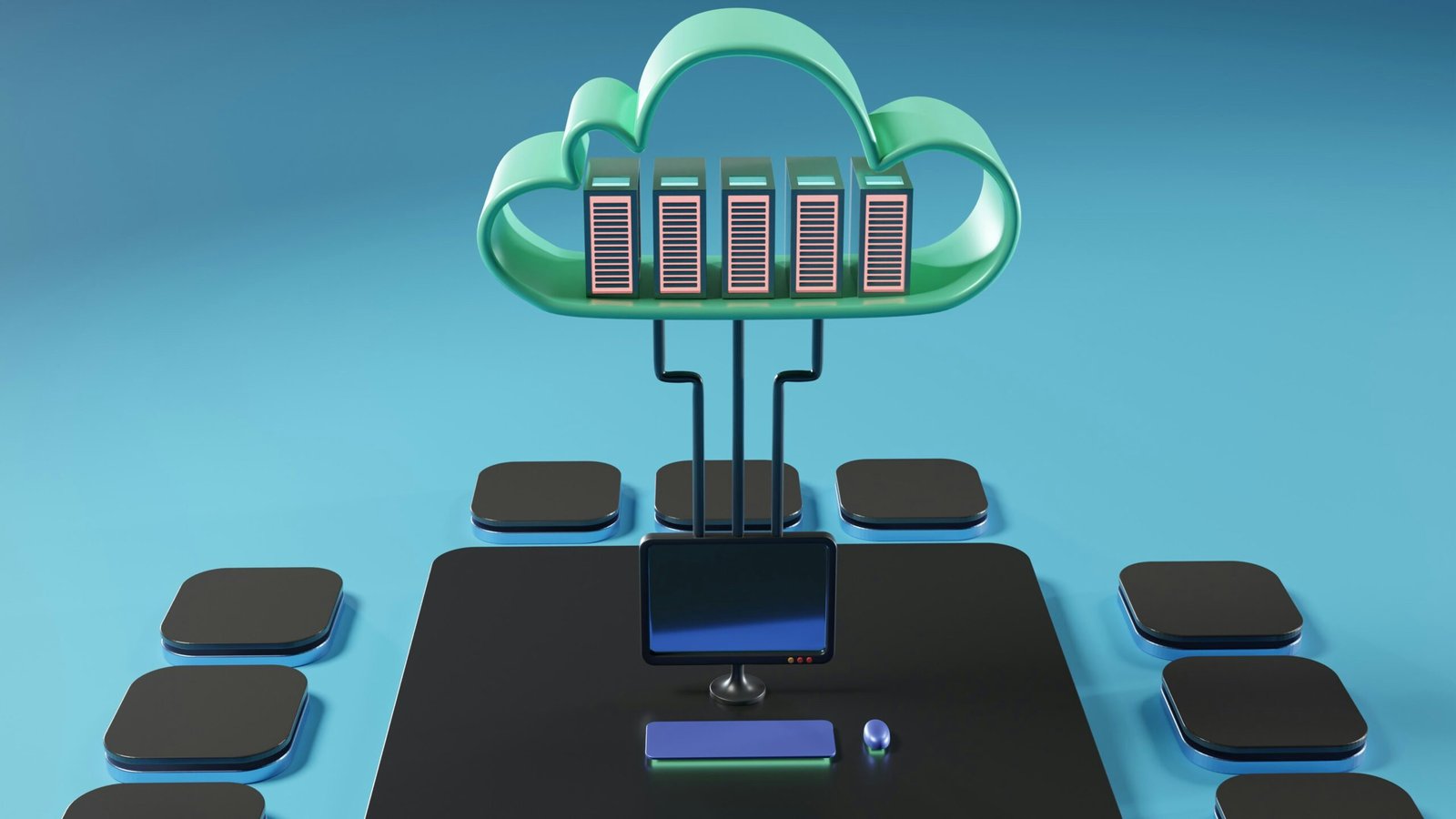
Key principles of sustainable IT practices include energy efficiency, resource optimization, and lifecycle management. Energy efficiency involves using technology solutions that require less power and generate minimal waste during their operation. For instance, adopting energy-efficient servers and data centers can significantly reduce electricity consumption, leading to substantial cost savings. Resource optimization entails maximizing the usage of available resources, encompassing everything from hardware to software. This principle encourages companies to utilize virtualized environments and cloud computing, which allow for more effective utilization of servers and reduce the need for excessive physical equipment.
Lifecycle management encompasses the comprehensive approach of monitoring and managing IT assets throughout their entire lifecycle, from acquisition to disposal. By prioritizing recycling and proper disposal methods for obsolete technology, organizations can significantly decrease electronic waste, thus contributing to environmental conservation. Furthermore, this practice aligns with the principles of a circular economy, where products are designed for longevity and reusability.
Notably, the relevance of sustainability in IT is increasingly driven by two significant factors: eco-conscious consumer behavior and regulatory pressures. Modern consumers favor businesses that demonstrate a commitment to sustainable practices, impacting purchasing decisions and brand perception. Additionally, regulatory frameworks are evolving globally to enforce stricter environmental standards, compelling organizations to adopt sustainable IT infrastructure strategies to remain compliant and competitive in a rapidly changing marketplace.
Assessing Current IT Infrastructure
To embark on a journey towards a more sustainable IT infrastructure, organizations must first conduct a thorough assessment of their existing systems. This evaluation serves as a foundation for identifying opportunities for improvement in resource consumption and waste reduction. One of the most effective techniques for this purpose is an energy audit, which helps to determine the energy consumption patterns of IT assets. By analyzing power usage at various levels—data centers, servers, and network equipment—organizations can pinpoint areas where energy efficiency can be enhanced.
In addition to energy audits, organizations should consider conducting a carbon footprint assessment. This assessment quantifies greenhouse gas emissions associated with their IT operations. By examining factors such as server efficiency, cooling methods, and user practices, organizations can gain a clearer picture of their environmental impact. Utilizing tools and methodologies for carbon accounting, such as the GHG Protocol, can facilitate this process, allowing businesses to track emissions and set reduction targets over time.
Benchmarking against industry standards is another critical practice in assessing IT infrastructure sustainability. Organizations can compare their performance with that of peers, identifying inefficiencies and best practices. This can include evaluating metrics such as Power Usage Effectiveness (PUE) or comparing the energy efficiency ratings of hardware against leading manufacturers. By employing these benchmarks, organizations can establish clear goals and strategies for improving their sustainability efforts.
As technology evolves, using specialized tools and metrics becomes essential in tracking progress towards sustainability goals. Various software solutions allow for ongoing monitoring of energy consumption and waste generation. Digital dashboards can display real-time data, enabling IT managers to make informed decisions. In conclusion, assessing the current IT infrastructure is a pivotal step in the pursuit of sustainability, providing a roadmap for organizations to enhance their environmental stewardship in IT operations.
Strategies for Sustainable IT Infrastructure Planning
Adapting sustainable strategies in IT infrastructure planning is imperative for organizations looking to reduce their environmental impact while maintaining operational efficiency. One of the most effective approaches is to prioritize renewable energy sources. Transitioning to energy providers that utilize solar, wind, or hydroelectric power can significantly decrease greenhouse gas emissions associated with traditional power generation. Additionally, companies can consider on-site renewable energy installations, like solar panels, which further contribute to energy independence and sustainability.
Another critical component of sustainable IT infrastructure is the selection of hardware. Opting for energy-efficient devices certified by organizations such as ENERGY STAR can lead to substantial reductions in energy consumption. Furthermore, organizations should explore refurbishing existing hardware or investing in modular systems that allow for upgrades without complete replacements. Such practices can extend the lifespan of equipment and minimize electronic waste.
Virtualization technologies present a compelling opportunity to optimize resource usage. By consolidating workloads onto fewer physical servers, organizations can decrease their energy consumption and cooling requirements. Likewise, cloud computing solutions offer scalable resources that adapt to demand, eliminating the need for excess capacity and thus reducing overall emissions. Adopting a multi-cloud strategy can enhance redundancy and resilience while still maximizing the environmental benefits.
Sustainable procurement practices are essential in reinforcing a commitment to green IT infrastructure. When selecting vendors, organizations should prioritize partners that demonstrate adherence to environmental standards, utilize sustainable materials, and actively work to minimize waste throughout their supply chains. To provide further insights into these strategies, various case studies exemplify organizations that have successfully implemented these practices, resulting in both environmental and operational benefits. These real-world applications showcase the potential for sustainable IT infrastructure to foster a greener future.
Future Trends and Innovations in Sustainable IT
The landscape of information technology (IT) is rapidly evolving, with sustainability becoming a core focus in the planning of IT infrastructure. A significant trend shaping this future is the rise of edge computing. By processing data closer to the source, edge computing reduces latency and minimizes energy consumption associated with data transmission. This decentralization allows organizations to optimize resources effectively, thereby contributing to their sustainability goals.
Additionally, artificial intelligence (AI)-driven optimization tools are playing a pivotal role in enhancing energy efficiency within IT operations. These tools analyze vast amounts of data to identify inefficiencies and suggest improvements, resulting in reduced energy usage and lower carbon footprints. Companies can leverage AI technologies to streamline processes, manage workloads dynamically, and significantly reduce their overall resource consumption, aligning with the principles of sustainable IT infrastructure.
Another critical innovation is the integration of circular economy principles into IT lifecycle management. This approach focuses on extending the life of IT assets, promoting refurbishment and recycling instead of disposal. Companies are encouraged to adopt practices that consider the entire lifecycle of products, from design to disposal, thus minimizing waste and maximizing resource utilization. As organizations implement these principles, they will not only save costs but also contribute positively to environmental conservation.
It is essential to recognize that regulatory changes and societal demands are crucial drivers pushing the IT industry towards greater sustainability. Governments globally are enacting stricter regulations aimed at reducing carbon emissions, while consumers increasingly prefer environmentally responsible companies. As these pressures mount, organizations must stay ahead of the curve by embracing sustainable practices and technologies.
To remain competitive, it is imperative for industry professionals to stay informed about these trends and innovations in sustainable IT. Engaging actively in these developments will ensure that the ongoing evolution in IT infrastructure planning aligns with sustainability goals and societal expectations.