









The Importance of Resumes
Resumes have long been regarded as an essential aspect of the job search process, serving as a formal introduction between job seekers and potential employers. The primary function of a resume is to provide a succinct overview of a candidate’s qualifications, work experience, skills, and education. It is designed to highlight the most relevant information that aligns with a specific job opportunity, making personalization crucial. This tailored approach can significantly enhance a candidate’s chances of making a strong impression on hiring managers.
A strong resume typically includes several key elements: a clear structure, effective formatting, and impactful content. The layout should prioritize readability, allowing hiring managers to easily navigate through the candidate’s background. Using headings and bullet points can facilitate this, while also ensuring that the resume maintains a professional appearance. Content should be concise yet comprehensive, encompassing quantifiable accomplishments and relevant skills to showcase what the candidate uniquely offers.
Moreover, hiring managers tend to have particular expectations when it comes to resumes. They often favor those that are tailored to the job description, demonstrating an understanding of the role and the company. Common misconceptions suggest that the resume is an obsolete tool in the age of digital profiles, particularly LinkedIn; however, many employers still rely on resumes as part of their initial screening process. In many cases, resumes may hold more weight than LinkedIn profiles, especially in industries that prioritize formal documentation.
Understanding how to craft an effective resume is vital in today’s competitive job market. By addressing the critical components that make a strong resume and challenging prevalent misconceptions, candidates can position themselves more favorably in their job search endeavors.
The Rise of LinkedIn Profiles
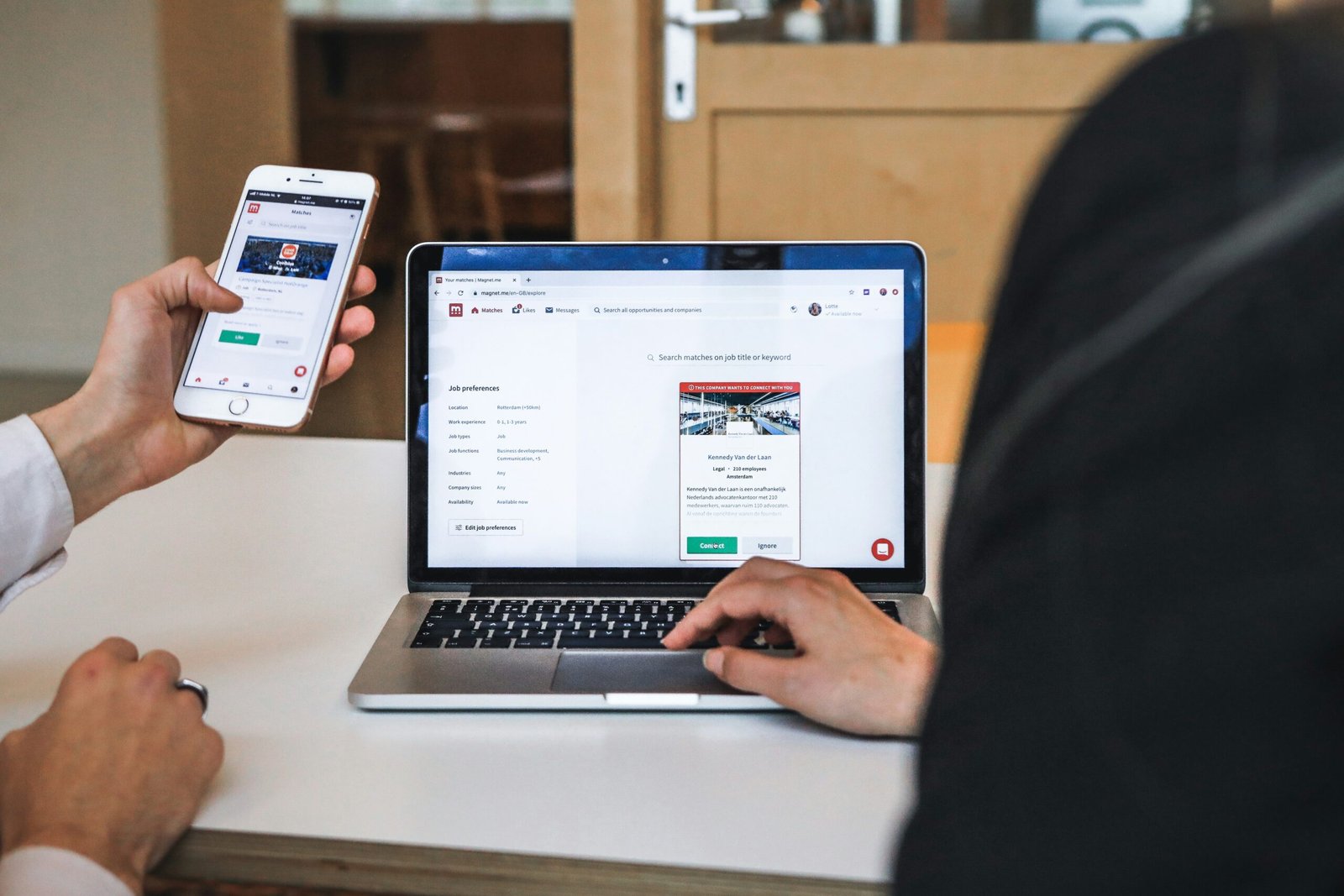
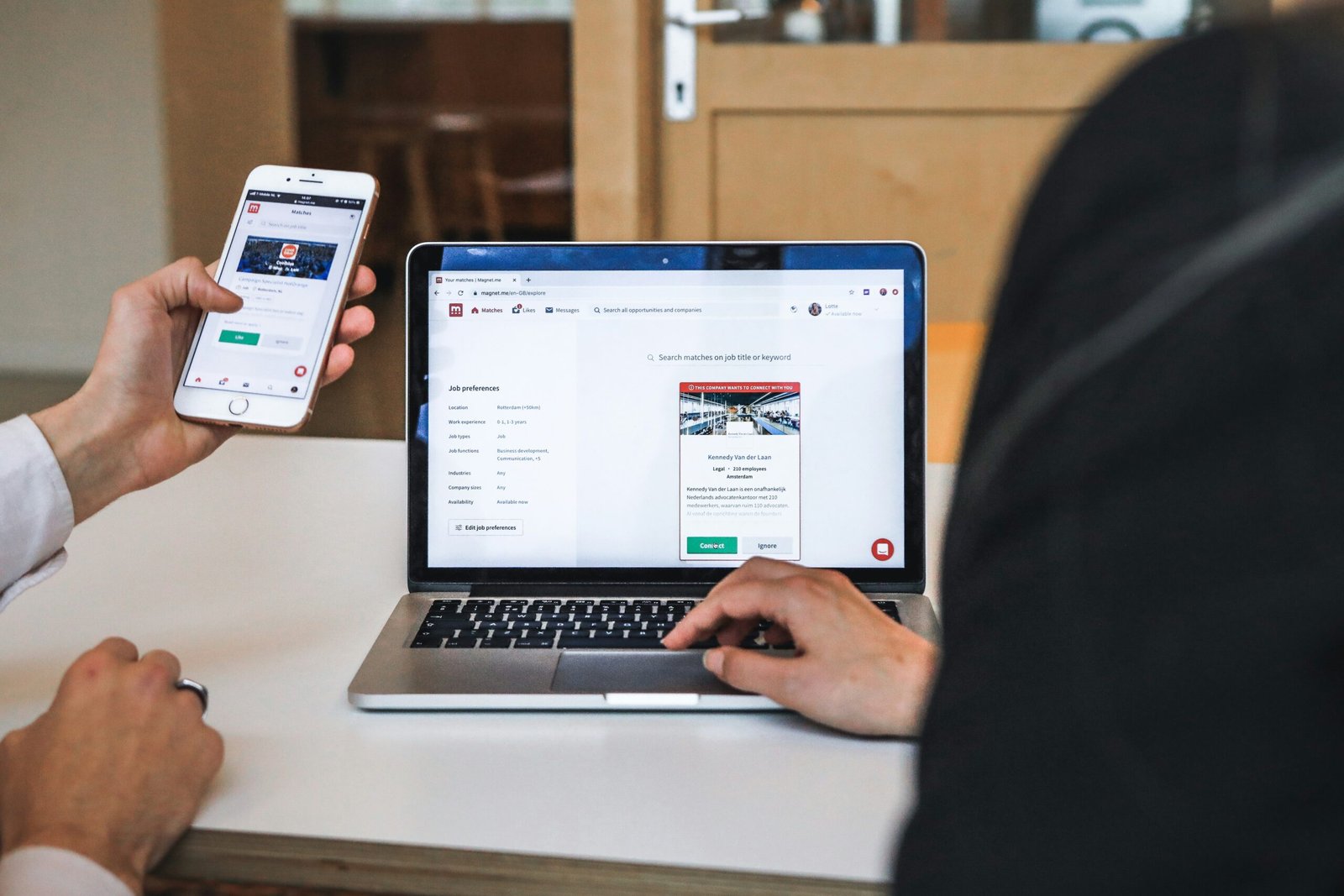
In recent years, LinkedIn has emerged as a dominant force in the job market, revolutionizing the way professionals network, connect, and present themselves. This platform offers unique opportunities that traditional resumes do not, making it increasingly essential for job seekers to maintain a strong LinkedIn profile. Unlike static resumes, which provide a limited snapshot of a candidate’s experience, LinkedIn profiles are dynamic and allow for continuous updates. This flexibility enables users to adapt their profiles based on evolving career paths, skills, and industry trends.
One of the most significant advantages of a LinkedIn profile is the ability to engage in personal branding. Professionals can curate their online presence by showcasing their skills, accomplishments, and endorsements from colleagues, which helps to build credibility in their field. Furthermore, LinkedIn allows users to connect with former colleagues, industry peers, and hiring managers, creating a vast network that can be instrumental in job searching. This connectivity often leads to opportunities that might not be advertised through traditional channels, making LinkedIn an invaluable resource for job seekers.
In addition to providing networking opportunities, LinkedIn enables users to boost their visibility to recruiters through careful profile optimization. By utilizing strategic keywords related to their profession and industry, individuals can improve their chances of being discovered by hiring organizations. This searchability is a crucial distinction from standard resumes, as hiring managers increasingly rely on LinkedIn to identify potential candidates. With job seekers having the ability to join groups, participate in discussions, and share content, LinkedIn serves as a more interactive platform that fosters engagement and relationship-building compared to the static nature of a resume.
Comparative Analysis: Resumes vs LinkedIn Profiles
The comparison between resumes and LinkedIn profiles offers valuable insights into their roles in the job search process. Resumes, traditionally a staple of job applications, maintain a format that emphasizes clarity and specificity, typically focused on an individual’s professional experience, skills, and education. In many cases, candidates tailor their resumes to the specific job they are applying for, allowing them to highlight relevant achievements and qualifications effectively. This specificity can be particularly advantageous in industries where certain skills or experiences are crucial, such as technical fields or roles in academia.
On the other hand, LinkedIn profiles provide a broader perspective on an individual’s professional journey. They not only include detailed work histories but also offer opportunities for networking and engagement with other professionals. The platform allows for recommendations and endorsements, which can enhance credibility. However, the expansive nature of LinkedIn may dilute the focus presented in a traditional resume, making it essential for candidates to curate their profiles carefully to maintain professionalism and relevance.
From an employer’s perspective, both formats serve distinct purposes. Resumes are often used for initial screenings, providing concise data that can be quickly assessed. In contrast, hiring managers increasingly consider LinkedIn profiles to gauge a candidate’s online presence and professional network. The rise of digital recruitment strategies indicates a trend towards valuing social proof via connections and endorsements, making LinkedIn profiles an effective tool for showcasing both skills and interpersonal professional relationships. However, this trend does not diminish the importance of having a polished resume, as many professionals still rely on this document to communicate their qualifications during formal applications.
Ultimately, the effectiveness of either format depends on various factors, including the industry, career stage, and personal branding strategies adopted by the candidate. By understanding the strengths and weaknesses inherent in resumes and LinkedIn profiles, individuals can tailor their approach to maximize their opportunities in today’s evolving job market.
Strategies for Balancing Both Tools
Managing both a resume and a LinkedIn profile effectively is crucial for today’s job seeker. To achieve a cohesive personal brand, it is imperative to ensure that the information conveyed through both mediums aligns seamlessly. Begin by drafting your resume first, as it often serves as a focused summary of your skills, experiences, and achievements. Ensure that the details listed align with your LinkedIn profile; consistency is key in maintaining credibility. For instance, the job titles, dates of employment, and descriptions should match across both platforms.
When linking your resume and LinkedIn profile, consider incorporating a link to your LinkedIn account at the top of your resume. This encourages recruiters to view your online presence for a more comprehensive view of your professional background. When linking, customize the URL to make it cleaner and more professional—this helps with branding as well.
Tailoring content for each platform is another essential strategy. While your resume should be specifically crafted for each job application, your LinkedIn profile can maintain a broader scope. Highlight key accomplishments and skills on LinkedIn that appeal to diverse opportunities rather than tailoring it to a specific role. Remember to use keywords relevant to your industry, as this will enhance your visibility among recruiters using LinkedIn’s search functionalities.
Networking on LinkedIn can complement your job applications effectively. Engage with professionals in your field by sharing insights, commenting on relevant discussions, and even reaching out for informational interviews. Active involvement showcases your interest in the industry and keeps your profile updated. Regularly sharing content and participating in groups related to your occupation will further amplify your presence. By seamlessly integrating these strategies, job seekers can significantly enhance their chances of success in their job search.