









Introduction to Nuclear Energy and Its Importance
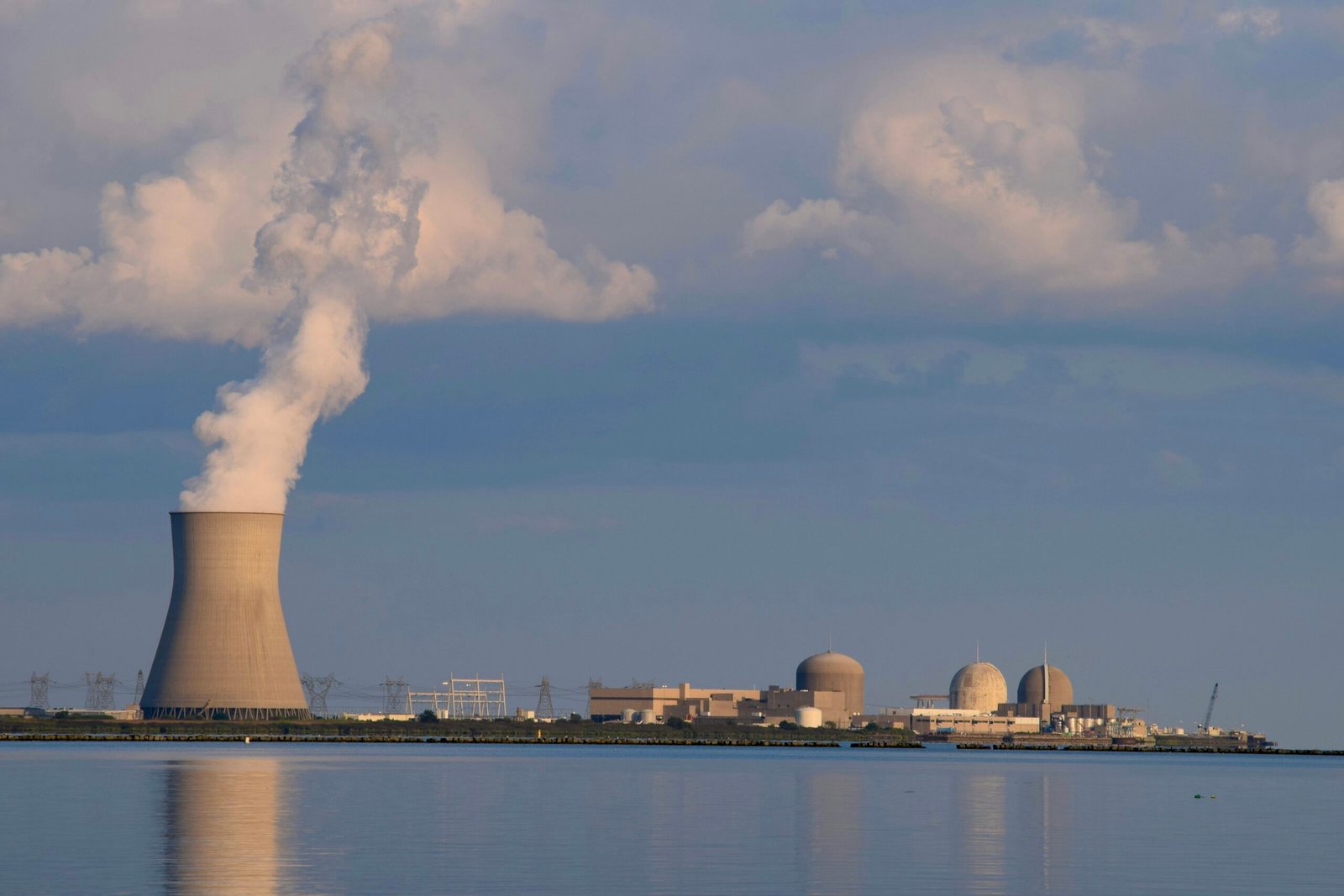
Nuclear energy is a powerful source of electricity that harnesses the energy released during nuclear fission, a process where the nucleus of an atom splits into smaller parts. It has become an integral part of the global energy mix, providing approximately 10% of the world’s electricity and playing a significant role in the transition towards a low-carbon energy future. As countries worldwide strive to reduce greenhouse gas emissions and combat climate change, the importance of nuclear energy is increasingly recognized due to its capacity to generate large amounts of electricity with minimal carbon emissions. This positions nuclear power as a viable alternative to fossil fuels, which contribute heavily to global warming.
One of the key advantages of nuclear energy is its high energy output. A single nuclear power plant can produce enough electricity to meet the needs of millions of homes, operating around the clock regardless of weather conditions. This reliability is particularly important as the demand for energy grows amid changing consumption patterns and heightened awareness of sustainable practices. Moreover, advancements in nuclear technology have led to innovations such as small modular reactors (SMRs), which promise enhanced safety features and greater efficiency.
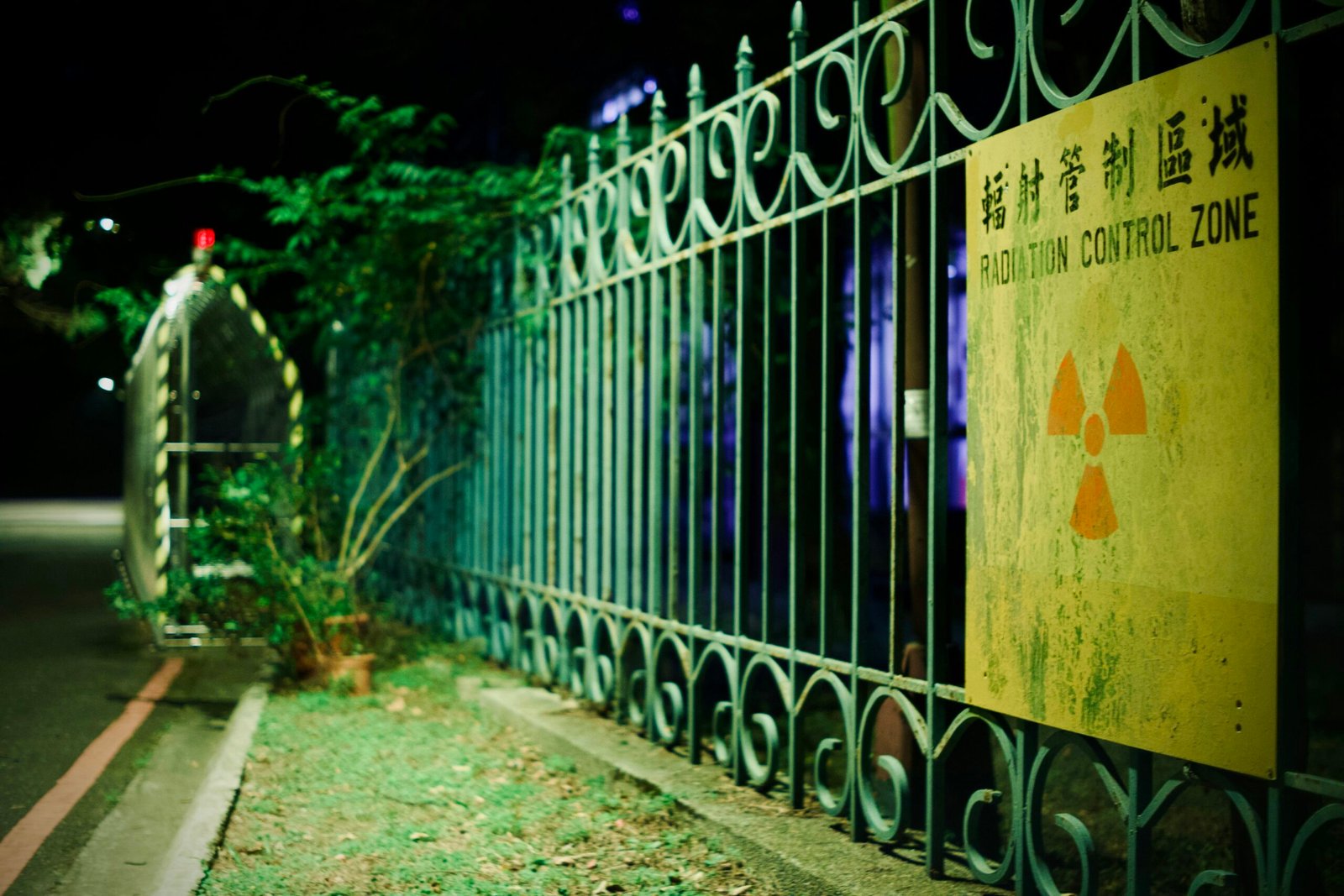
However, the debate around nuclear energy is far from settled. Concerns over safety, particularly in the wake of historical incidents, such as the Fukushima disaster, have led to heightened public scrutiny. The management of nuclear waste and public perceptions regarding the potential risks associated with nuclear facilities continue to influence energy policy and planning. Understanding these perceptions is essential for policymakers as they navigate the complexities of energy generation, leading to informed decisions that balance economic, environmental, and social priorities. Consequently, the discourse surrounding nuclear energy remains crucial in shaping the future of our global energy landscape.
Key Findings from Recent Public Surveys
Recent surveys conducted globally have provided critical insights into public perceptions of nuclear energy. The data indicates a complex landscape of opinions shaped by various demographic factors, geographic locations, and historical events. Notably, approval ratings for nuclear power vary significantly across different regions. For instance, in countries like France and Japan, where nuclear energy is a significant component of the energy mix, support tends to be higher. Conversely, regions that have faced severe nuclear incidents, such as the United States and certain parts of Europe, demonstrate a tendency towards skepticism and opposition.
Demographics play a pivotal role in shaping attitudes toward nuclear energy. Younger adults often exhibit a more favorable disposition towards nuclear power as an alternative to fossil fuels, likely due to increased awareness of climate change issues. In contrast, older populations, especially those who experienced events like Chernobyl or Fukushima, display heightened concerns regarding safety and environmental impacts. Surveys also indicate that educational levels correlate with opinions on nuclear energy, with more educated respondents more likely to support its use, citing its potential to reduce carbon emissions.
Major nuclear accidents have undeniably influenced public sentiment. For example, the aftermath of the Fukushima disaster in 2011 led to an immediate decline in support for nuclear energy in many countries, illustrating how historical events can significantly impact perceptions. Concerns over safety regulations, waste management, and emergency preparedness continue to dominate public discussions, prompting calls for thorough investigations and updates to existing frameworks. Moreover, public attitudes reflect a growing awareness of the need for energy diversification and the role of nuclear power within a broader context of sustainable energy solutions.
Overall, these insights derived from recent surveys provide a comprehensive understanding of current public attitudes toward nuclear energy, revealing persistent divisions and highlighting the importance of addressing safety and environmental concerns to foster greater acceptance.
Factors Influencing Public Perception of Nuclear Energy
The public perception of nuclear energy is influenced by a myriad of factors, each playing a critical role in shaping opinions about this complex subject. One significant factor is media representation. The way nuclear energy is portrayed in both news outlets and popular culture can heavily sway public opinion. Sensationalist reporting on accidents, such as Fukushima and Chernobyl, often leads to heightened fear and skepticism regarding nuclear safety. Conversely, positive stories highlighting advances in technology and carbon-free energy production can foster more favorable perceptions.
Educational background is another essential determinant in shaping views toward nuclear energy. Individuals with a higher level of education, particularly in scientific and technical fields, may be more likely to appreciate the benefits of nuclear energy, including its role in reducing greenhouse gas emissions and its reliability as a power source. In contrast, those with less exposure to scientific concepts may rely more on general media narratives or anecdotal evidence, which can perpetuate misconceptions.
Personal experiences also significantly influence how individuals view nuclear energy. For example, residents living near nuclear facilities may have differing opinions compared to those residing in urban areas far from such sites. Direct engagement with nuclear technology, whether through employment in the sector or education, can also inform personal beliefs and attitudes. Additionally, the growing awareness of climate change has led many to reconsider nuclear energy’s potential as a clean and sustainable alternative to fossil fuels, which can improve public sentiment.
Governmental policies and regulations play a crucial role as well. Well-structured policies that promote transparency, safety, and community involvement tend to enhance public trust. However, misinformation, often exacerbated by historical events and a lack of understanding about nuclear technology, can contribute to enduring public fears or skepticism. Clear communication about nuclear energy’s risks and benefits, bolstered with accurate data, is vital in tackling these challenges.
Future Implications for Nuclear Energy Development
The public’s perception of nuclear energy is a critical factor that will shape the future landscape of its development. Recent surveys highlight a dichotomy in public opinion, where concerns about safety and environmental impact often clash with the recognition of nuclear power’s potential to provide low-carbon energy solutions. As climate change remains a pressing issue, public attitudes toward nuclear energy will likely influence energy policies, pushing governments to either bolster or constrain nuclear initiatives based on perceived public support.
Investment in nuclear technology is heavily influenced by societal attitudes. If public perception becomes increasingly favorable, it could lead to significant financial backing for new nuclear projects and technologies. Conversely, if skepticism persists, investors may shy away from funding nuclear ventures, opting instead for renewable energy sources that are often viewed as more socially acceptable. This can limit the development of newer, safer nuclear technologies designed to address many historical safety concerns, thereby stalling progress in a sector that could play a pivotal role in achieving global climate goals.
To navigate these challenges, it is essential to adopt strategies aimed at improving public perception of nuclear energy. Enhanced transparency from the nuclear sector can demystify processes and assuage fears, providing communities with clear information about safety protocols and environmental safeguards. Increased community engagement initiatives can offer stakeholders a platform for discussion and feedback, fostering a sense of trust and inclusion in the decision-making process. Moreover, education campaigns focusing on the benefits and advancements in nuclear energy technology can counteract misinformation and promote a more balanced understanding of its role in a sustainable energy future.