










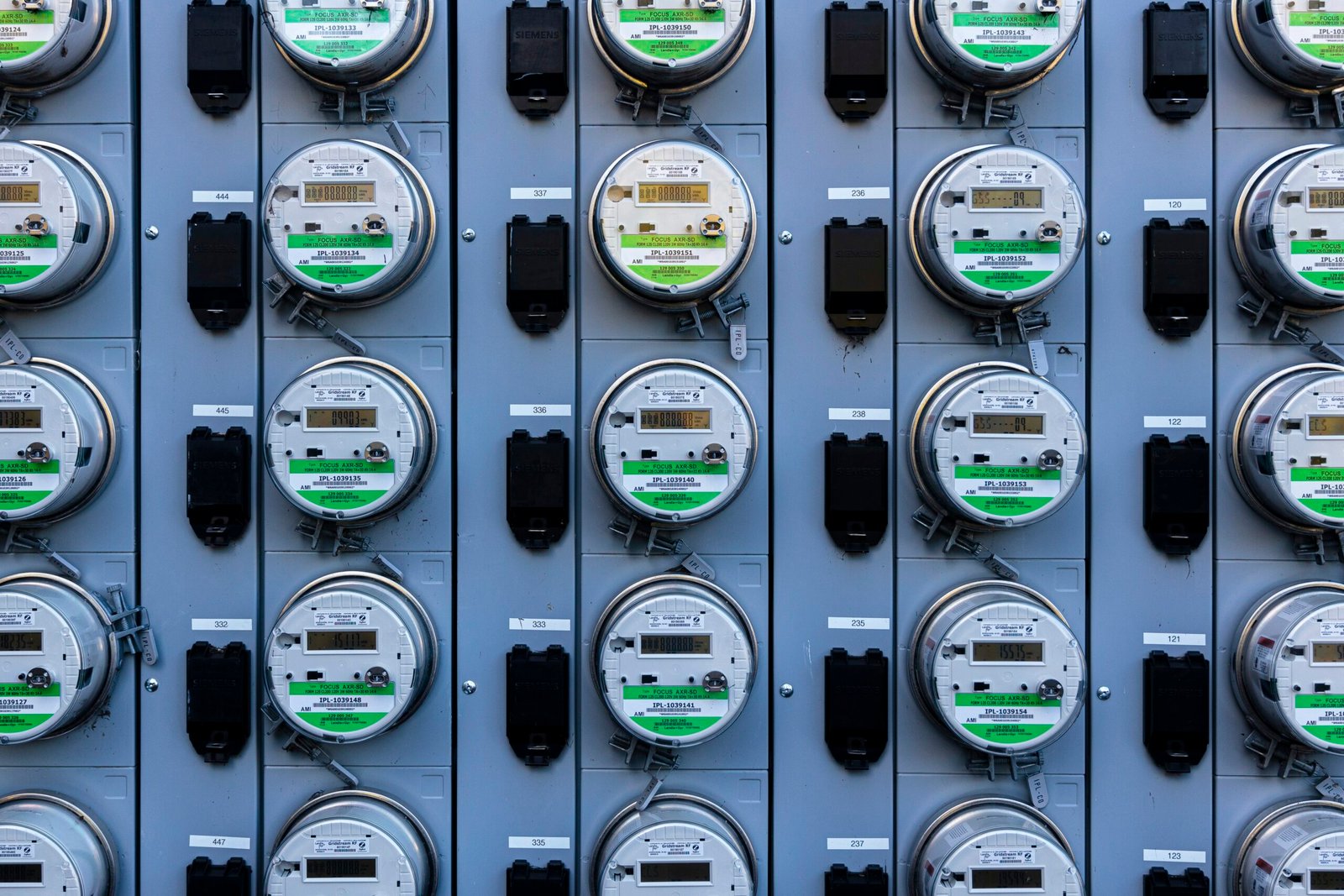
Introduction to Electricity Pricing
Electricity pricing plays a pivotal role in the energy market, influencing both consumer behavior and utility company revenues. Understanding the different pricing models is essential for comprehending how these structures affect household budgets and energy consumption patterns. Various pricing strategies are employed by utility companies, notably fixed rates, variable rates, and time-of-use pricing.
Fixed rate pricing provides consumers with a stable rate per kilowatt-hour, ensuring predictability in their monthly utility bills. This model is appealing to residents who prefer budgeting without unexpected costs. Conversely, variable rate pricing fluctuates based on market conditions, leading to potential savings during low-demand periods but also posing risks during peak times. Consumers drawn to variable rates often exhibit a willingness to manage their consumption actively, seeking to take advantage of lower prices during off-peak hours.
Time-of-use pricing is another approach that aligns energy costs with consumption times. This model incentivizes consumers to shift their energy usage to periods of lower demand, typically during afternoons and nights, to benefit from reduced rates. Implementation of this pricing strategy aims to balance grid demand and enhance overall energy efficiency. As households become increasingly conscious of their energy consumption, understanding these pricing models becomes critical to making informed decisions.
The implications of electricity pricing can be extensive, affecting individual energy usage habits and overall household financial health. As utility companies continue to adapt their pricing structures to meet shifting consumer needs and the evolving landscape of the energy market, insights garnered from recent surveys regarding consumer preferences serve as essential data points. These insights can assist companies in tailoring their offerings and improving service delivery, ultimately fostering a more engaged customer base.
Methodology of the Survey
The survey conducted to gather insights on consumer preferences in electricity pricing utilized a comprehensive methodology designed to ensure robust data collection and analysis. The target demographic for this survey included a diverse cross-section of electricity consumers, encompassing various age groups, income levels, and geographical locations. This variety was deliberate, aiming to capture a broad spectrum of perspectives regarding electricity pricing structures.
The sample size for the survey was determined to be 1,000 respondents, which provides a statistically significant representation of the overall population. Participants were chosen using stratified sampling techniques to ensure that different segments of the population were adequately represented. By doing this, the survey aimed to reduce bias and enhance the reliability of the findings.
Data collection was primarily conducted through online questionnaires, which allowed for efficient reach and convenience for participants. The use of digital platforms not only facilitated the distribution of the survey but also encouraged a higher response rate. To supplement this, a limited number of in-person interviews were conducted. These interviews provided qualitative insights that enriched the quantitative data collected from the online surveys.
The key questions posed to participants revolved around their perceptions of current electricity pricing models, their willingness to engage in time-of-use pricing, and the importance they placed on renewable energy options. Additionally, participants were asked about their awareness of alternative pricing structures and incentives offered by electricity providers. Responses to these questions were analyzed using both descriptive statistics and thematic analysis, allowing the research team to identify key trends and patterns in consumer preferences. The careful analysis of responses ensured that meaningful conclusions could be drawn, reflecting the true sentiments of consumers regarding electricity pricing.
Key Findings on Consumer Preferences
Recent surveys examining consumer preferences in electricity pricing reveal several significant trends regarding how individuals perceive and value different pricing models. One predominant trend highlights a growing inclination for pricing stability over flexibility. Many consumers express a desire for predictable electricity bills that allow for straightforward budget planning, indicating a preference for fixed-rate pricing plans. This preference emerges from the uncertainty associated with variable pricing models, which can fluctuate significantly due to changes in demand or supply, leaving consumers at risk of unexpected charges.
Additionally, the findings suggest that environmental considerations increasingly influence consumer choices. Many respondents demonstrated a willingness to pay a premium for electricity sourced from renewable energy, signifying a strong preference for sustainable energy solutions. This trend underscores a broader societal shift towards environmental consciousness, as consumers seek to align their energy consumption with their values related to climate change and sustainability. The growing availability of green pricing options, which allow consumers to choose renewable sources, reflects this demand and is likely to shape future offerings in the electricity market.
Another noteworthy factor that emerged from the surveys is the importance of transparency in pricing information. Consumers reported a preference for clear and accessible details concerning how their rates are determined. This transparency enhances trust between providers and consumers, fostering a more informed decision-making process. Well-structured pricing information that elucidates all potential costs associated with various plans can significantly influence consumer choice, reinforcing their preference for companies that prioritize open communication.
In summary, the survey data reveal that consumers exhibit strong preferences for stability in pricing, alongside a growing interest in environmental factors and a clear articulation of pricing structures. These insights can guide energy providers in tailoring their offerings to meet consumer expectations more effectively, ensuring alignment with the evolving landscape of consumer priorities in electricity pricing.
Implications for Utilities and Policymakers
The insights garnered from recent surveys on consumer preferences highlight significant implications for electric utilities and policymakers. Understanding these preferences can serve as a pivotal guide in the formulation of pricing strategies that resonate with consumers. When utilities consider customer inclinations regarding electricity pricing, they can better tailor their offers to enhance satisfaction while simultaneously encouraging energy efficiency.
One of the primary implications of this understanding is the potential for utilities to shift towards more flexible pricing models. For instance, many consumers exhibit a preference for time-based pricing structures, which offer lower rates during off-peak hours. By implementing such models, utilities not only promote energy conservation but also foster a sense of empowerment among consumers, enabling them to manage their consumption more effectively. This behavior aligns with sustainable energy practices, as it reduces strain on the grid during peak periods.
Moreover, policymakers can leverage survey findings to develop regulatory frameworks that support innovative pricing solutions. Introduction of tiered pricing, for instance, could reflect consumer capability and willingness to pay, ensuring that essential energy remains affordable while encouraging reduced usage for those who can manage it. Such strategies can create a more equitable pricing structure across various socioeconomic groups.
To further align their offerings with consumer expectations, utilities should enhance communication regarding pricing structures and the benefits of energy efficiency initiatives. Transparent and accessible information empowers consumers to make informed choices that favor both their financial interests and environmental stewardship.
In conclusion, the implications of survey findings extend far beyond pricing strategies; they present opportunities for utilities and policymakers to create a more sustainable energy landscape. By fostering alignment between consumer preferences and utility pricing, stakeholders can enhance customer satisfaction, improve energy efficiency, and ultimately drive a transition towards more responsible energy consumption practices.
