










Introduction to Audio Content Consumption
Audio content consumption has been evolving at an unprecedented rate, particularly since the onset of the pandemic in 2020. As individuals increasingly sought alternatives to traditional forms of media, the popularity of podcasts, audiobooks, and music streaming experienced significant growth. This shift has largely been driven by advancements in technology and changes in consumer lifestyles, resulting in an audio landscape that caters to a wide array of interests and preferences.
The surge in podcast popularity is particularly noteworthy. With more than one-third of the population engaging with podcasts on a regular basis, this format has transformed into a powerful medium for storytelling, education, and entertainment. Similarly, audiobooks have gained traction, appealing to avid readers who appreciate the convenience of consuming literature while multitasking or commuting. Both of these audio formats allow listeners to absorb content passively, which aligns well with the fast-paced lifestyles many individuals lead today.
Moreover, music streaming services have witnessed a remarkable increase in subscribers, as consumers enjoy curated playlists and the accessibility of vast music libraries. These platforms have redefined how individuals interact with music, allowing for personalized experiences while providing a way to discover new artists and genres. The intertwining of these various audio content forms highlights a pivot in consumer habits, showcasing a preference for on-demand content that fits into everyday life seamlessly.
Understanding the current landscape of audio content consumption is critical for content creators and marketers alike. By recognizing shifting consumer preferences, stakeholders can tailor their strategies and develop content that resonates effectively with the audience. As the demand for audio media continues to grow, staying attuned to these trends will be essential in shaping future content offerings and marketing initiatives, ultimately influencing the overall success within this dynamic sector.
Key Findings from the Survey
The recent survey on consumer preferences in audio content reveals several significant trends that shed light on how individuals engage with audio media. A notable finding is that the most favored audio genres are music, podcasts, and audiobooks, with music leading the pack, as nearly 65% of respondents indicated it as their primary choice. Podcasts have also surged in popularity, reflecting a growing trend among consumers who appreciate on-demand access to discussions on varied topics, with 40% citing them as a go-to audio format.
An analysis of listening habits indicates that most consumers prefer to listen during their commute or while performing daily chores. Specifically, 58% of respondents reported that they engage with audio content during travel, while 47% utilize it for multitasking around the house. This preference underscores the convenience of audio media, enabling users to integrate entertainment or education seamlessly into their busy routines.
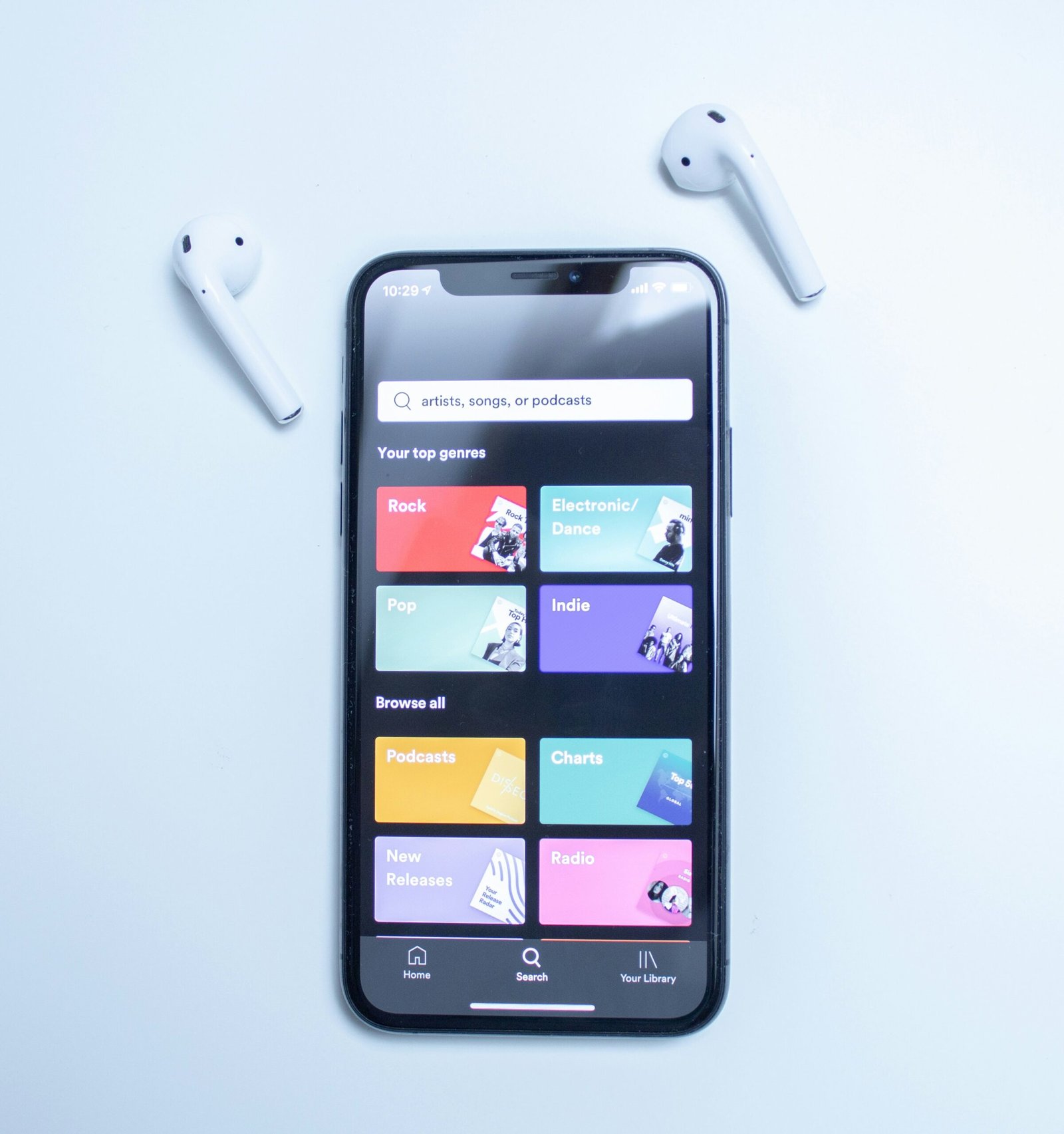
When it comes to platform choices, major streaming services such as Spotify and Apple Music dominate the audio landscape. Approximately 70% of respondents indicated a preference for streaming platforms, with Spotify recognized as the most popular option due to its extensive library and user-friendly interface. Membership options also play a crucial role, as many users opt for paid subscriptions for ad-free experiences and exclusive content access.
Demographic analysis reveals interesting insights, as younger audiences tend to gravitate towards podcast content more than older consumers, which indicates a shift in content consumption among different age groups. Additionally, motivations for selecting specific audio formats vary; while entertainment remains a key driver, the desire for information and learning also significantly influences choices, particularly among younger demographics.
Factors Influencing Consumer Preferences
Consumer preferences in audio content have evolved significantly due to a combination of technological, content-related, and external factors. Understanding these influences is essential for industry stakeholders aiming to enhance user engagement and satisfaction.
Technological advancements play a pivotal role in shaping how consumers interact with audio content. The proliferation of mobile devices and smart speakers has made audio content more accessible than ever before. Mobile access allows listeners to engage with their favorite podcasts or music on-the-go, while smart speakers facilitate hands-free listening experiences in the comfort of their homes. These technologies have not only increased the convenience of accessing audio content but have also diversified the ways in which content is consumed, leading to an increase in audio preferences among various demographic groups.
Moreover, content-related factors significantly impact consumer choices. The credibility of speakers and presenters can enhance the perceived value of audio content. Audiences are more likely to engage with content delivered by knowledgeable and relatable figures. Additionally, high production quality—encompassing clear audio, professional editing, and engaging sound design—can elevate a listener’s experience, making high-caliber content preferable over inadequately produced alternatives.
External factors such as cultural trends and advertising also contribute to shaping consumer preferences. Trends in lifestyle, social media influences, and the cultural context in which listeners find themselves can dictate which types of audio content resonate most strongly. Marketing efforts, including targeted advertising strategies, can further enhance awareness and consumption of specific audio offerings.
Personal lifestyle choices, particularly commuting habits and working conditions, have a profound impact on listening behaviors. For instance, individuals commuting to work may prefer podcasts or audiobooks that offer valuable insights, while those working from home might lean more towards background music or shorter audio segments. These preferences are a reflection of how daily routines influence the type of audio content that aligns with listeners’ needs and environments.
Future Trends in Audio Content Consumption
The landscape of audio content consumption is poised for significant transformation, as indicated by recent survey results and prevailing industry trends. One of the most striking predictions is the rise of personalized audio experiences. As consumers increasingly seek tailored content that aligns with their individual preferences, brands will need to adapt their strategies accordingly. The ability to customize playlists, podcasts, and audiobooks is expected to be a driving force behind user engagement, fostering a deeper connection between the audience and the content.
Moreover, artificial intelligence (AI) is anticipated to play a crucial role in the future of audio content creation. AI-driven tools can analyze listener behavior and preferences, enabling creators to craft more relevant and appealing audio experiences. This technology may lead to a surge in the production of niche content that caters specifically to diverse audience segments. Consequently, the potential for innovation in content types and delivery methods will broaden, facilitating a more dynamic audio ecosystem.
In addition to technological advances, emerging audio formats are likely to redefine how consumers engage with content. For instance, the growing popularity of audio stories and interactive podcasts could create more immersive experiences for listeners. Such formats challenge traditional broadcasting norms, engaging audiences in ways that static content cannot. Furthermore, social media platforms are expected to play an increasingly pivotal role in shaping audio consumption trends. As users share and promote audio content through various channels, brands must leverage these platforms to reach a wider audience, ensuring their audio offerings remain relevant and visible.
In summary, the future of audio content consumption will be shaped by personalized experiences, advancements in AI, innovative formats, and the influence of social media. Brands and creators alike must stay attuned to these trends to effectively meet the evolving preferences of their consumers.