










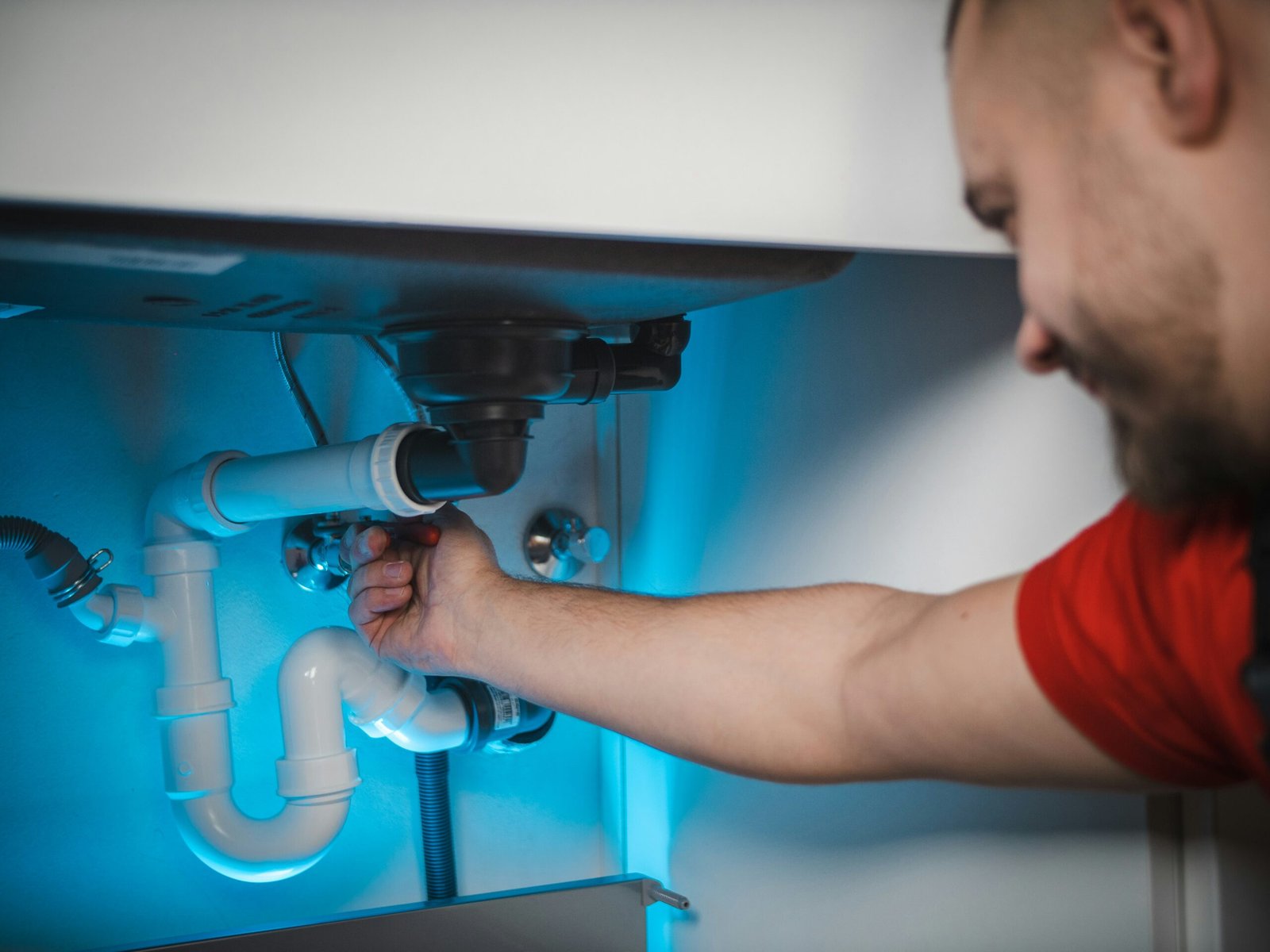
Introduction to Consumer Expectations in Plumbing
In the plumbing industry, understanding consumer expectations is paramount for service providers aiming to enhance their service delivery and achieve business success. As the market becomes increasingly competitive, plumbing companies must recognize the significance of aligning their services with the evolving needs of their customers. This alignment not only helps in improving customer satisfaction but also plays a crucial role in fostering consumer trust and loyalty.
Consumers today are more informed and discerning than ever before. They actively seek plumbing service providers who not only deliver quality work but also communicate effectively and provide transparent pricing. Expectations have shifted significantly; customers are no longer satisfied with merely having their plumbing issues resolved. They expect a comprehensive service experience that encompasses responsive customer service, efficient problem-solving, and clear communication throughout the process.
Moreover, advancements in technology have empowered consumers to easily research and compare service providers online. Online reviews, social media feedback, and rating platforms have become essential tools for consumers in making informed decisions. Consequently, plumbing companies must adapt to this landscape by actively engaging with their clientele and addressing their expectations in real-time.
By taking the time to understand what consumers expect, plumbing service providers can tailor their offerings to meet these demands, thereby differentiating themselves from competitors. This may include adopting new technologies, offering flexible scheduling options, or providing comprehensive warranty programs. Emphasizing a customer-centric approach will not only enhance service delivery but will also create long-term relationships that are beneficial for both consumers and service providers.
Key Findings from the Survey
The recent survey aimed at understanding consumer expectations in plumbing services revealed several critical insights into customer preferences and behaviors. A significant aspect of the research was the preferred communication methods used by consumers when inquiring about plumbing services. The majority of respondents indicated a preference for direct communication channels such as phone calls and text messages over email or social media platforms. This preference highlights the necessity for plumbing service providers to ensure that their communication strategies align with customer expectations, facilitating quicker and more efficient interactions.
Another key finding pertains to average wait times for service requests. Nearly 70% of respondents expressed that they expect a plumbing service to respond within one hour for urgent issues. This indicates a growing demand for prompt service, especially in emergency situations where leakages or blockages could cause significant damage. As a result, plumbing companies must evaluate their service response times to meet these customer expectations effectively.
Transparency in pricing also emerged as a crucial factor influencing customer satisfaction. Approximately 80% of survey participants stated that they value clear and upfront pricing information before the commencement of any work. This preference underscores the importance of honesty and clarity in financial dealings, which can ultimately enhance customer trust and loyalty. Furthermore, the survey shed light on preferences concerning emergency services versus scheduled appointments. An equal split in preference was observed, with some customers prioritizing rapid response for emergencies, while others preferred to schedule their plumbing needs at their convenience.
Demographic details of the respondents were diverse, encompassing various age groups and backgrounds, which provided a comprehensive understanding of how consumer expectations may vary. Overall, the findings highlight the necessity for plumbing service providers to adapt their operations and communication strategies to align with consumer expectations in an increasingly competitive market.
Factors Influencing Consumer Expectations
Understanding consumer expectations in plumbing services involves analyzing various influential factors that shape how these expectations are developed. One prominent factor is technology. The proliferation of online booking systems and mobile applications has transformed the way consumers engage with plumbing service providers. These tools facilitate quick scheduling, real-time updates, and efficient communication, leading to heightened expectations for responsiveness and ease of access. Consumers increasingly appreciate the convenience and immediacy that technology brings to service interactions, making it imperative for plumbing companies to adopt such tools to meet evolving demands.
Another significant influence is customer reviews and feedback. Online platforms allow customers to share their experiences with plumbing services, where prospective clients often rely on these reviews to inform their choices. Positive testimonials can elevate a company’s reputation and set higher expectations for service quality, while negative feedback can deter potential customers. As consumers engage with reviews, they craft preconceived notions about the reliability and professionalism of service providers, which directly impacts their expectations during service encounters.
Social media also plays a crucial role in shaping consumer expectations within the plumbing industry. It serves as a platform for brand engagement, where companies can showcase their expertise, share educational content, and create a community around their services. When consumers observe active and positive social media interactions, they often develop higher expectations regarding service quality and customer relations. Furthermore, the ability to communicate directly with companies through these channels enhances perceived accessibility, reinforcing the expectation for prompt responses and resolutions.
Lastly, previous experiences, whether positive or negative, significantly impact consumer expectations for future plumbing services. Repeat interactions build a framework within which consumers gauge service quality, reliability, and professionalism. Consequently, service providers must recognize the weight of past experiences in shaping current consumer perceptions and strive to exceed prior expectations at every opportunity.
Implementing Changes to Meet Consumer Expectations
In the competitive landscape of plumbing services, it is essential for companies to proactively address consumer expectations to enhance customer satisfaction and loyalty. One key strategy is improving communication with clients before, during, and after service delivery. Plumbing service providers should consider implementing transparent pricing structures and providing clear timelines for service completion. This level of transparency fosters trust and reassures customers that they are receiving value for their investment. Furthermore, employing various communication channels—such as SMS updates, emails, or dedicated customer service lines—can ensure clients are kept informed throughout the service process.
Enhancing service reliability is another critical area for improvement. Plumbing companies can adopt systematic approaches to scheduling and maintenance checks to prevent service disruptions. Utilizing technology such as automated scheduling software can help manage appointments more efficiently, thereby reducing wait times and increasing overall service reliability. Additionally, offering predictive maintenance services can aid in early problem identification, allowing service providers to address issues before they escalate into more significant problems, ultimately benefiting both the provider and the consumer.
Another effective way to meet evolving consumer expectations is through the adoption of new technologies. Integrating smart plumbing solutions, such as internet-connected fixtures that monitor water usage, can appeal to tech-savvy consumers who prioritize efficiency and convenience. Furthermore, these advancements highlight a commitment to sustainability, which is increasingly important to consumers today.
Lastly, ongoing training for plumbing professionals is paramount. Regular training programs can equip technicians with the latest industry knowledge and skills necessary to address diverse consumer needs effectively. By investing in continuous professional development, plumbing service providers can ensure their workforce remains competent and responsive, significantly enhancing customer experience. Through intentional and strategic improvements in communication, reliability, technology adoption, and training, plumbing companies can successfully meet and exceed consumer expectations.
