









Introduction to Urban Landscaping
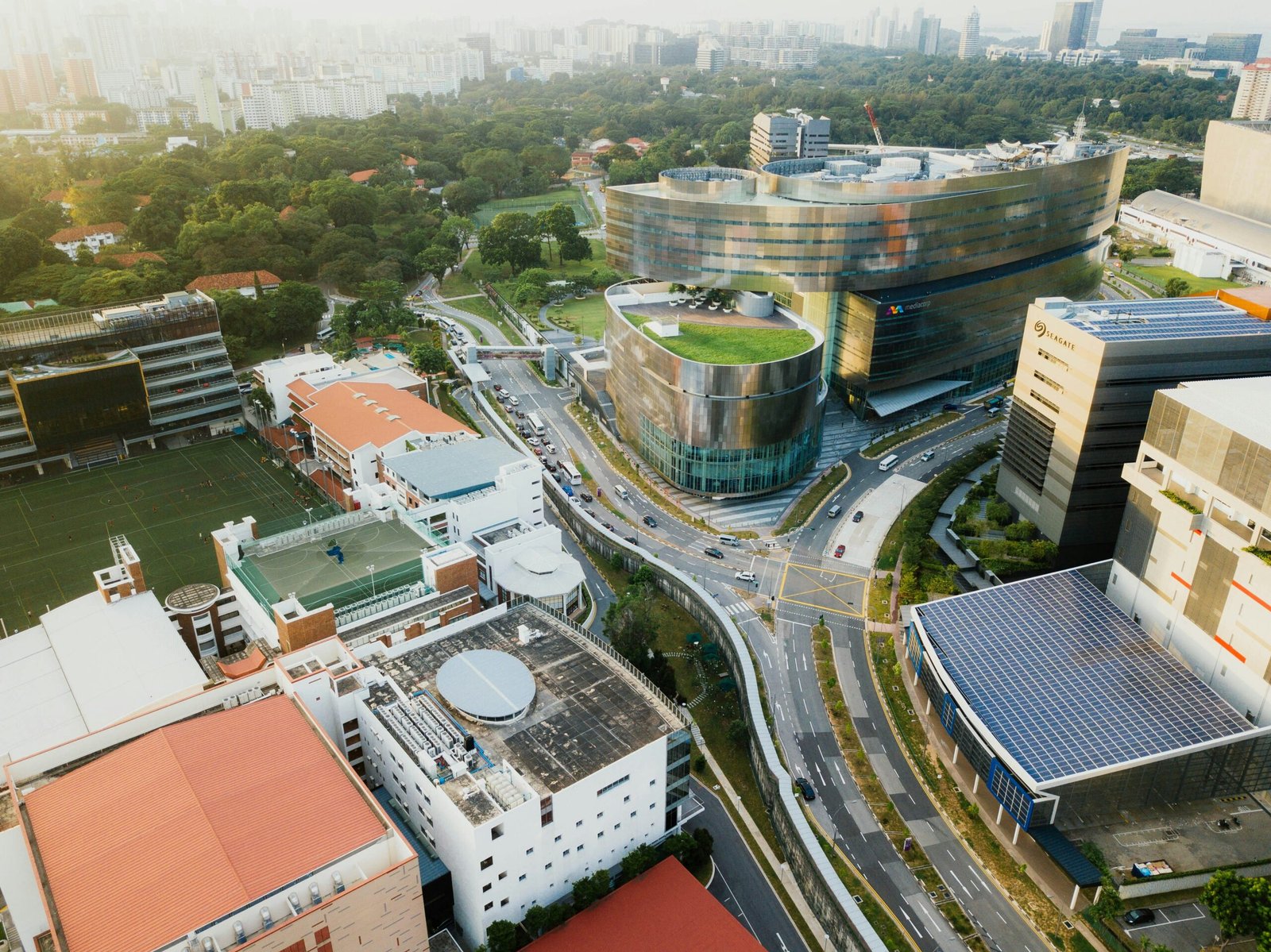
Urban landscaping refers to the design and management of green spaces in urban areas, integrating natural and built environments to enhance the quality of life in densely populated regions. This practice involves the planning and development of parks, gardens, streetscapes, and other outdoor spaces, transforming concrete jungles into more livable environments. The significance of urban landscaping is manifold; it not only contributes to the aesthetic appeal of a city but also improves environmental health and strengthens social interactions among its residents.
From an environmental perspective, urban landscaping plays a crucial role in mitigating urban heat effects, improving air quality, and managing stormwater runoff. The inclusion of trees, shrubs, and flowers enhances biodiversity and provides essential habitats for various species. Furthermore, well-planned green spaces can serve as a buffer against noise pollution and enhance urban microclimates, making cities more pleasant to live in.
Aesthetically, urban landscaping is vital for developing a city’s identity and sense of place. Thoughtfully designed spaces encourage community engagement and recreation, providing residents with areas for leisure and social activities. They imbue the urban environment with vibrant colors and textures, promoting mental well-being and fostering a connection with nature.
Socially, urban landscaping encourages interaction among community members, creating shared spaces that facilitate gatherings and strengthen community ties. As cities continue to evolve, understanding consumer preferences regarding these landscapes becomes increasingly important. This blog explores recent survey data aimed at uncovering these preferences, focusing on the demographic factors influencing choices and aspirations for urban green space design. The survey’s objective is to gather insights and inform stakeholders about community desires in the realm of urban landscaping, ensuring future developments align with the public’s vision.
Key Findings from the Survey
Recent surveys conducted on consumer preferences in urban landscaping have revealed several significant trends that highlight the evolving attitudes towards outdoor spaces in urban environments. One of the most prominent findings indicates that the preference for native plants is on the rise, with over 60% of respondents expressing a strong inclination towards incorporating flora that is indigenous to their region. This shift towards native species is likely influenced by a growing awareness of their benefits, including lower maintenance requirements and enhanced biodiversity.
In terms of landscaping styles, modern minimalist designs are gaining traction, with 55% of participants indicating a preference for clean lines and simple plant arrangements. This indicates a departure from more traditional, intricate landscaping methods, reflecting a broader trend in urban design that favors simplicity and functionality. Additionally, the appeal of sustainable landscaping practices has significantly increased, with nearly 70% of consumers valuing features such as rain gardens and permeable pavements that contribute to eco-friendliness and resilience in urban areas.
The survey also uncovered notable differences in landscaping preferences based on demographics. For instance, younger respondents, particularly those aged 18-34, prioritized accessibility and inclusiveness in their outdoor spaces, while older demographics showed a stronger preference for ornamental plants and heavy garden features. Income levels further influenced choices, as higher-income consumers tended to invest more in professional landscaping services and elaborate outdoor installations, whereas those with lower incomes favored cost-effective and low-maintenance options such as xeriscaping.
These findings underscore the importance of understanding consumer preferences as urban landscapes continue to evolve. By integrating features that cater to sustainability, simplicity, and accessibility, urban planners and landscapers can create spaces that resonate more effectively with diverse community needs.
Impact of Consumer Preferences on Urban Planning
Understanding consumer preferences is pivotal in shaping urban planning and design, particularly in the context of landscaping. Recent surveys reveal that individuals prioritize elements such as green spaces, biodiversity, and accessibility in urban environments. These findings suggest that landscape architects, city planners, and policymakers must adapt their strategies to reflect these desires. The incorporation of public feedback into the planning process not only promotes inclusivity but also aligns development initiatives with the actual needs and wants of the community.
To effectively integrate consumer preferences, urban planners should engage in participatory planning processes. This approach involves soliciting input from residents through surveys, public forums, and workshops, ensuring that the design of green spaces resonates with community expectations. For instance, a case study involving the redesign of a public park in a metropolitan area highlighted the importance of community engagement. Feedback collected from local residents led to the inclusion of walking paths, native plants, and multifunctional spaces that cater to various activities, resulting in a revitalized area that attracted increased public use and satisfaction.
Moreover, fostering environmental sustainability is crucial when aligning urban landscaping projects with consumer preferences. Urban ecosystems, when designed with community desires in mind, contribute significantly to improving air quality, reducing urban heat, and promoting biodiversity. Policymakers are now focusing on sustainable practices that incorporate native vegetation, rain gardens, and green roofs, demonstrating a commitment to both environmental stewardship and community well-being.
In light of this information, it is evident that the implications of consumer preferences on urban planning are profound. By prioritizing public input and adopting sustainable practices, cities can create landscapes that not only reflect community values but also enhance the quality of urban life. Successful urban landscaping projects that resonate with consumer desires should serve as a model for future developments, ensuring that urban environments are both functional and enjoyable.
Conclusion and Future Directions
Understanding consumer preferences in urban landscaping is essential for shaping the development of green spaces within cities. Recent surveys have highlighted the diverse needs and desires of urban dwellers when it comes to landscaping, revealing a significant shift towards more sustainable and multifunctional spaces. Urban green areas have become increasingly vital not only for aesthetic reasons but also for enhancing quality of life, promoting mental well-being, and supporting biodiversity. As consumer attitudes toward these environments continue to evolve, the implications for urban landscaping trends become apparent.
Future research in this area should focus on the ongoing changes in consumer preferences, particularly as demographics shift and urban populations grow. Engaging with consumers through participatory surveys and feedback mechanisms will provide valuable insights that can inform the design and maintenance of public green spaces. For instance, integrating preferences for recreational areas, community gardens, or wildlife habitats into urban planning can lead to landscapes that resonate more deeply with residents and foster a sense of community.
Moreover, it is critical to explore the impacts of climate change on consumer expectations for urban landscaping. As global environmental challenges become more pressing, consumers may increasingly prioritize ecological sustainability in their preferences. Urban developers and landscape designers need to keep abreast of these trends, ensuring that urban green spaces are resilient and cater to the shifting demands of residents.
In conclusion, fostering consumer engagement through ongoing surveys and studies will be paramount in developing vibrant and livable urban environments. By prioritizing the voices of city dwellers, stakeholders in urban landscaping can create spaces that truly reflect and serve the community’s needs, promoting well-being and sustainability for years to come.
