










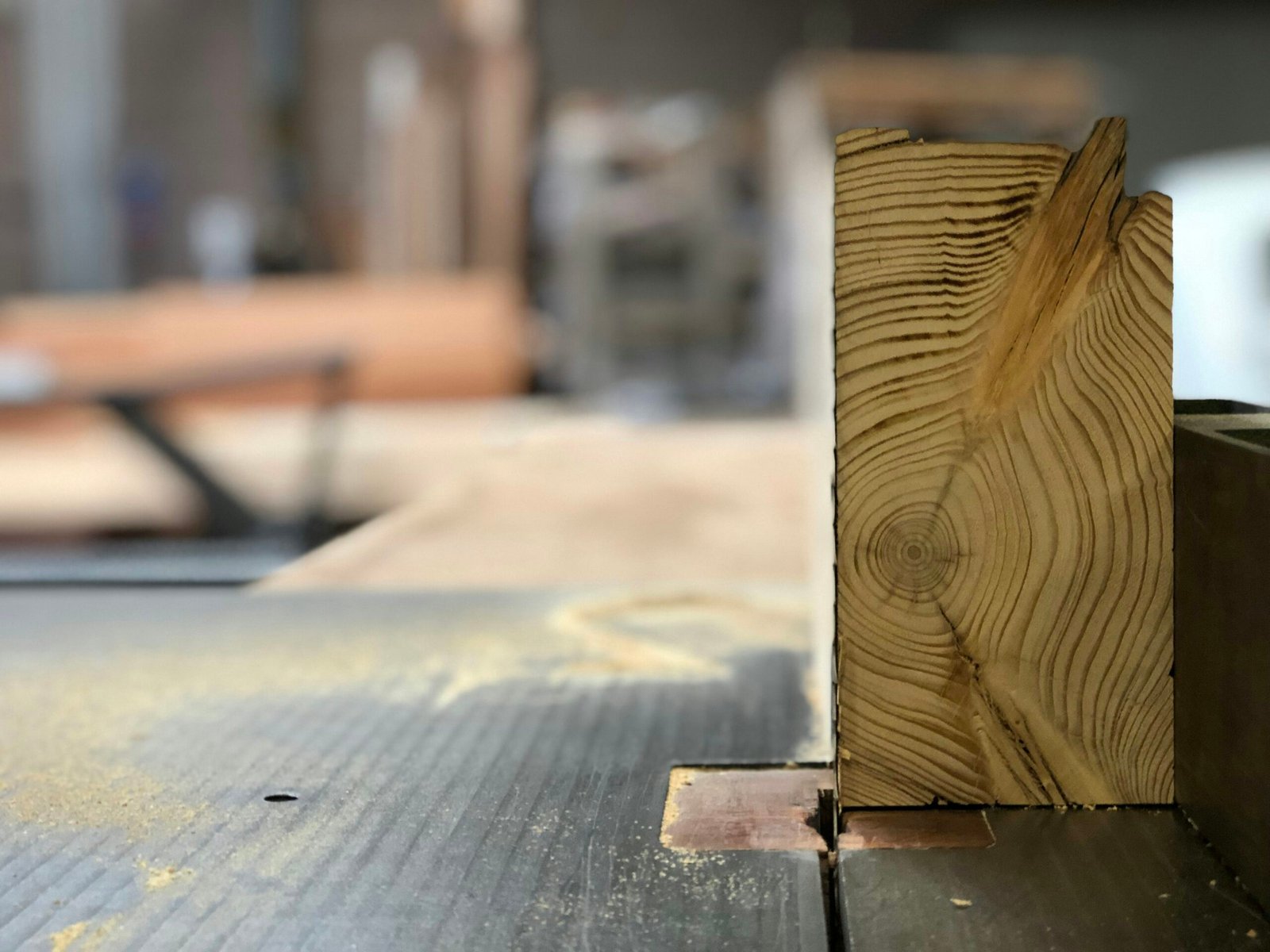
The Importance of Sustainable Materials in Carpentry
Sustainability has emerged as a pivotal concern in various industries, and carpentry is no exception. The traditional practices of wood sourcing have profound ecological implications, primarily characterized by deforestation and habitat destruction. These practices not only lead to the depletion of vital tree species but also contribute significantly to greenhouse gas emissions, exacerbating climate change. As trees are cut down, the atmosphere is deprived of essential carbon sinks that absorb carbon dioxide. Consequently, the carbon footprint associated with conventional carpentry methods becomes a pressing issue that affects both the environment and industry stakeholders.
The reliance on non-renewable resources further complicates this scenario, as it perpetuates a cycle of consumption that is neither sustainable nor responsible. This has led to a growing awareness among consumers regarding the sourcing of materials, prompting a shift towards eco-friendly alternatives. The demand for sustainable materials is rising as individuals and businesses increasingly prioritize sustainability in their purchasing decisions. This change is not merely a trend; it represents a fundamental shift in values, wherein the ecological impact of products is considered alongside their functionality and aesthetic appeal.
For carpenters, embracing sustainable materials offers numerous benefits. Not only can it enhance their reputation by aligning with the values of environmentally conscious consumers, but it also opens avenues for innovation. Using alternative materials such as reclaimed wood, bamboo, or composite products not only helps in reducing dependence on traditional timber but also fosters a broader dialogue about responsible consumption practices. By adopting sustainable materials, carpenters can position themselves as leaders in the industry, demonstrating a commitment to stewardship and responsibility toward the environment.
Overview of Sustainable Wood Alternatives
Sustainable wood alternatives have gained significant attention in the carpentry industry as environmentally friendly options for traditional timber. These materials not only reduce the impact on natural forests but also offer unique properties that can enhance various carpentry projects. Key sustainable wood alternatives include bamboo, reclaimed wood, and engineered wood products such as medium-density fiberboard (MDF) and plywood.
Bamboo is a fast-growing grass that can be harvested without killing the plant, making it an exceptionally renewable resource. Its impressive tensile strength makes bamboo ideal for structural elements in carpentry, while its aesthetic appeal permits its use in decorative applications as well. Additionally, bamboo’s lightweight nature facilitates ease of handling, thus enhancing its suitability for diverse carpentry needs.
Reclaimed wood offers another excellent alternative, repurposing timber from old structures, such as barns or factories. This process not only reduces waste but also provides unique character and historical significance to new projects. The use of reclaimed wood can introduce distinctive hues and patterns that cannot be replicated in new timber, making it a favored choice for clients seeking individuality in their carpentry projects. Furthermore, as reclaimed wood often requires minimal processing, it contributes to a lower carbon footprint in comparison to freshly sourced timber.
Engineered wood products, including MDF and plywood, present an innovative solution to sustainable carpentry. Made by bonding smaller wood fibers or veneers together, these materials utilize fast-growing species that are less impacted by deforestation. MDF offers smooth surfaces ideal for painting and crafting intricate designs, while plywood provides superior strength and versatility, suitable for everything from cabinetry to structural supports. Together, these engineered alternatives exemplify how sustainability can coincide with functionality in carpentry applications.
Advantages of Using Sustainable Wood Alternatives
The utilization of sustainable wood alternatives in carpentry presents numerous advantages, encompassing environmental, economic, and social benefits. A primary environmental benefit is the significant reduction in deforestation rates. Traditional logging practices often lead to the unsustainable depletion of forests, impacting ecosystems and biodiversity. In contrast, sustainable wood alternatives often originate from fast-growing, renewable resources or reclaimed materials, ensuring that forests can thrive while meeting the demand for wood in carpentry.
Moreover, sustainable wood alternatives contribute to lower carbon emissions. Trees absorb carbon dioxide during their growth, and when responsibly sourced and utilized, they can create a net positive effect on the environment. By minimizing reliance on slow-growing hardwoods and opting for alternatives, carpentry projects can substantially lower their carbon footprint, aligning with global sustainability goals.
On the economic front, sustainable wood alternatives can yield cost savings in the long term. While initial investments may be similar to or slightly higher than traditional materials, the durability and maintenance benefits of these alternatives often translate into lower costs over time. Ensuring that the chosen materials withstand wear and tear reduces the frequency of replacements, thereby saving money in future repairs or renovations.
Socially, the shift towards sustainable wood alternatives encourages fair trade practices and responsible sourcing. By supporting companies and manufacturers that prioritize ethical labor practices, consumers can contribute to improved working conditions for woodworkers and laborers in developing countries. This fosters a sense of community and promotes social equity within the global market.
Finally, the exploration of sustainable wood alternatives can lead to innovative design opportunities. These materials often come with unique characteristics that can enhance the aesthetic appeal and functionality of carpentry projects. By incorporating a wider variety of materials, carpenters can create distinctive items that stand out in terms of both style and sustainability.
Implementing Sustainable Practices in Carpentry
As the demand for sustainable wood alternatives continues to rise, carpenters play a crucial role in adopting practices that contribute to environmental preservation. Implementing sustainable practices in carpentry involves several key strategies that enhance not only the quality of craftsmanship but also the ecological impact of each project.
One of the foremost strategies involves sourcing sustainable materials. Carpenters should prioritize suppliers who offer wood certified by recognized organizations such as the Forest Stewardship Council (FSC). These certifications ensure that the wood comes from responsibly managed forests, which help maintain biodiversity and protect ecosystems. Additionally, exploring reclaimed wood options is an excellent way to reduce the carbon footprint associated with new timber production. This practice not only conserves natural resources but also adds unique character to finished products.
Collaboration with suppliers is another critical aspect of sustainability in carpentry. By establishing relationships with vendors who emphasize eco-friendly materials and practices, carpenters can ensure that their projects align with sustainability goals. Cultivating partnerships with local suppliers can also minimize transportation emissions and support the local economy, furthering the sustainable agenda. Furthermore, regularly attending industry workshops or expos dedicated to sustainable practices can help carpenters stay informed about the latest trends and innovations.
Waste reduction is an essential component of sustainable carpentry. Implementing efficient design techniques minimizes off-cut waste, while recycling and repurposing scrap materials can dramatically reduce landfill contributions. Additionally, using advanced technologies such as computer-aided design (CAD) software allows for optimized material usage, thus promoting an efficient workflow in the workshop.
Ultimately, certification and labeling are vital for guiding consumers toward products that meet sustainability criteria. Educating clients about the benefits of choosing certified materials fosters a market for environmentally responsible carpentry. By embracing these strategies, carpenters can significantly contribute to a more sustainable future, promoting practices that prioritize both craftsmanship and ecological stewardship.
