







The Current Landscape of Software Adoption in Retail
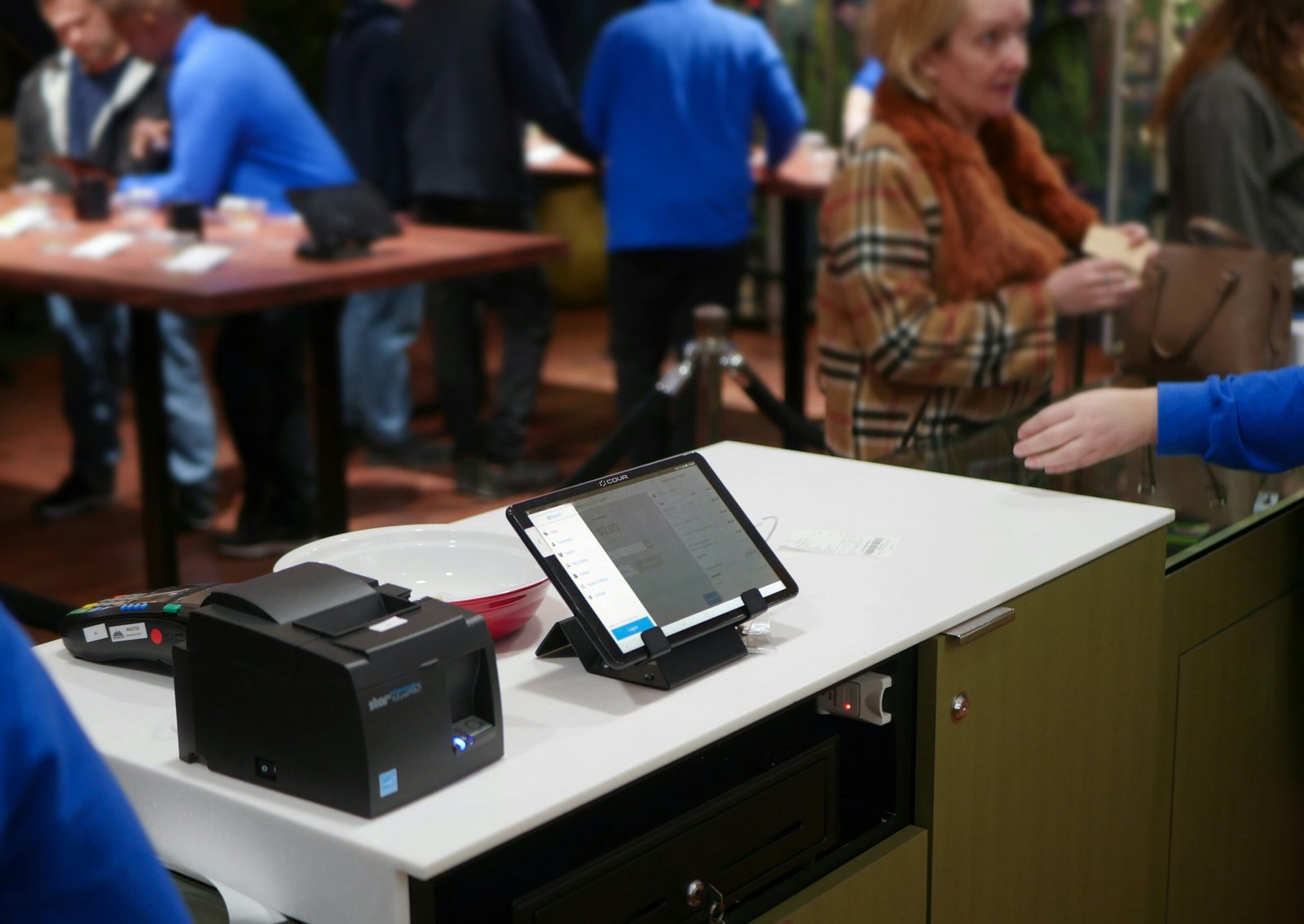
The retail sector is currently experiencing significant transformation driven by the rapid advancement of technology and evolving consumer preferences. Recent surveys indicate that a notable shift toward digital solutions is observed among retailers, with a pronounced interest in implementing various software applications. Key technologies, such as point-of-sale (POS) systems, inventory management systems, and customer relationship management (CRM) tools, are becoming increasingly prioritized in the quest to enhance operational efficiency and provide superior customer experiences.
However, despite the eagerness to adopt new software solutions, retailers face multiple challenges. One of the primary obstacles identified in recent surveys is the high cost associated with implementing and maintaining advanced software systems. Retailers often struggle to allocate budgets for technology investments, particularly small to mid-sized businesses that may lack the financial resources or infrastructure to support these changes. Additionally, integration complexities with existing systems often hinder seamless software adoption, creating a concern over potential disruptions to ongoing operations.
Another challenge is the need for significant training and change management to ensure that staff are proficient in using new software tools. Retailers recognize that successful adoption is not merely about acquiring technology; it also requires cultivating a culture of adaptability and continuous learning within the organization. Moreover, many retailers are navigating data privacy and compliance issues, which have become increasingly pertinent as software solutions involve extensive customer data management.
Interestingly, the COVID-19 pandemic has accelerated the urgency for software adoption, prompting retailers to adopt digital tools to cater to shifts in consumer behavior. The trend toward omnichannel retailing demands robust software capabilities to unify in-store and online experiences. Consequently, this evolving landscape presents a dual opportunity for retailers: to leverage technology to meet immediate challenges while positioning themselves strategically for the future of retail.
Key Priorities for Retailers in Software Investment
In the rapidly evolving landscape of retail, software investment has become pivotal for success. Retailers have distinct priorities when considering which software solutions to adopt, guided primarily by their operational needs and customer expectations. Recent surveys illuminate several key areas that are focal points for retailers in their software endeavors.
First and foremost, improving customer experience emerges as a top priority. Retailers recognize that in today’s competitive marketplace, providing a seamless and personalized experience can significantly influence customer loyalty and sales. Solutions that streamline interactions, such as customer relationship management (CRM) systems and mobile applications, facilitate enhanced engagement and foster long-term relationships.
Another critical area is optimizing supply chain management. Efficient supply chain processes are vital for meeting customer demands and managing costs. Retailers are increasingly adopting software that provides real-time inventory management and analytics capabilities. These tools empower retailers to predict trends, manage stock levels, and reduce waste, ultimately leading to enhanced efficiency and minimizing disruptions.
Data security also ranks high among the priorities for retailers. With the rise of cybersecurity threats and increasing consumer concerns regarding data privacy, robust security measures are paramount. Retailers are investing in software solutions that offer advanced data encryption and compliance with regulatory standards to protect sensitive information and build customer trust.
Lastly, increasing operational efficiency is essential for retailers as they seek to maximize productivity and reduce overhead costs. Software solutions that automate repetitive tasks, manage workforce scheduling, and analyze performance metrics play a significant role in streamlining operations. By prioritizing these aspects, retailers position themselves to adapt to market changes effectively and remain competitive.
Challenges and Barriers to Software Adoption
The landscape of retail is increasingly shaped by the adoption of innovative software solutions designed to enhance operational efficiency and customer experience. However, retailers frequently face substantial challenges and barriers during the software adoption process, hindering their efforts to fully leverage new technologies. A prominent barrier identified in recent surveys is budget constraints, which can significantly limit the ability of retailers to invest in necessary software solutions. Many small to medium-sized enterprises often find that the cost of new software, including licensing fees and implementation expenses, stretches their financial resources thin.
Another critical issue is the integration of new software with existing systems. Retailers often operate on legacy systems that can be outdated and incompatible with emerging software solutions. This lack of integration not only complicates the adoption process but also poses a risk of operational disruptions that can lead to inefficiencies. As a result, retail organizations may hesitate to move forward with new software initiatives, fearing the potential operational complications that could arise.
The shortage of skilled personnel also plays a significant role in the difficulties surrounding software adoption. Many retailers struggle to find professionals who possess the necessary technical expertise to implement and manage new software systems effectively. Compounding this issue is the resistance to change that is often prevalent within organizations. Employees accustomed to established practices may resist adopting new technologies, leading to slower implementation and decreased morale. This reluctance can hinder the overall effectiveness of software solutions and prevent retailers from fully reaping their benefits.
Overall, these challenges—budget constraints, integration issues, scarcity of skilled personnel, and resistance to change—paint a realistic picture of the complexities involved in software adoption within the retail sector. Retailers must navigate these barriers to successfully implement new technologies and enhance their competitive edge.
Future Trends in Retail Software Solutions
The retail industry is undergoing a significant transformation, driven by advancements in technology and changing consumer preferences. As retailers navigate this evolving landscape, understanding future trends in retail software solutions becomes essential for strategic planning and effective software adoption. Recent surveys indicate several key trends poised to shape the future of retail.
One of the most notable trends is the rise of artificial intelligence (AI) within retail software solutions. AI technologies are transforming various aspects of retail operations, from inventory management to personalized marketing strategies. Retailers are increasingly adopting AI-driven solutions to enhance customer experiences through personalized recommendations and streamlined services. By integrating AI into their software systems, retailers can leverage data to predict consumer behavior, optimize supply chains, and ultimately drive sales growth.
Another critical trend is the continued growth of e-commerce, which has been accelerated by the global shift toward online shopping. As consumer expectations evolve, retailers are responding by investing in omnichannel software solutions that provide seamless integration across physical and digital platforms. This trend reflects the necessity for retailers to not only cater to online consumers but also to integrate their in-store experiences with digital offerings. E-commerce platforms that utilize advanced software are better positioned to enhance customer engagement and accelerate sales.
Data analytics also emerges as an increasingly vital component of retail software solutions. Retailers are recognizing the importance of data-driven decision-making, utilizing analytics to gain insights into consumer preferences, inventory levels, and market trends. As software solutions evolve, the incorporation of advanced analytics tools will enable retailers to glean actionable insights and refine their strategies accordingly, enhancing operational efficiency and customer satisfaction.
In conclusion, as the retail landscape continues to evolve, embracing these emerging trends in software solutions will be pivotal for retailers. By focusing on artificial intelligence, e-commerce growth, and data analytics, retailers can position themselves to successfully navigate the complexities of the future retail environment.
