










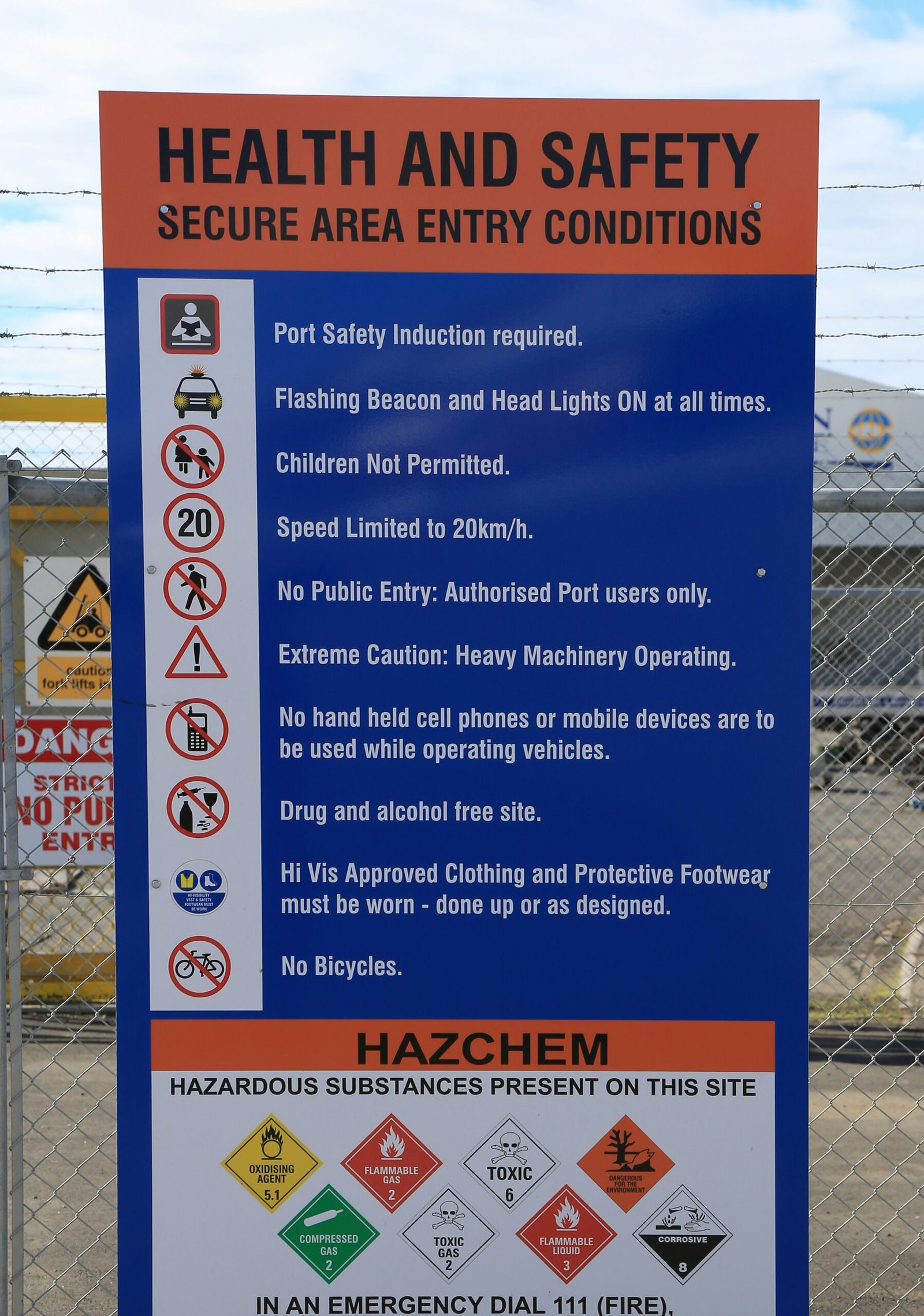
Overview of Current Global Safety Standards
As of 2023, global safety standards are instrumental in promoting a safe environment for workers, consumers, and the general public across various sectors. Regulatory organizations such as the International Organization for Standardization (ISO), the Occupational Safety and Health Administration (OSHA), and the International Electrotechnical Commission (IEC) play significant roles in developing and enforcing these standards. Their initiatives are crucial in addressing safety challenges and ensuring compliance with established regulations.
Key standards currently in place encompass a wide range of industries. In manufacturing, ISO 45001 focuses on occupational health and safety management systems, providing a framework to improve employee safety and reduce workplace risks. In the healthcare sector, standards like ISO 13485 ensure that medical devices and related services meet stringent safety requirements, ultimately protecting patient well-being. Meanwhile, in transportation, the ISO 39001 standard aims to reduce road traffic accidents, promoting safer transportation practices globally.
The importance of safety standards cannot be overstated; they serve not only as legal requirements but also as frameworks for best practices. These standards have led to significant achievements in risk reduction, such as the decline in workplace incidents due to enhanced safety protocols in various industries. However, gaps remain, particularly in emerging economies where regulatory enforcement may be lax. Instances of substandard conditions in manufacturing facilities, as revealed in several high-profile reports, highlight the critical need for ongoing vigilance and adaptation of safety standards to address evolving industry challenges.
As the world becomes increasingly interconnected, collaboration among regulatory bodies, businesses, and stakeholders is essential in maintaining and enhancing global safety standards. Continued investment in education and training, along with the adoption of innovative technologies, is necessary to bridge existing gaps and ensure a safer future for all.
Emerging Trends Shaping Safety Standards in 2025
The landscape of global safety standards is poised for significant evolution by 2025, driven largely by several key emerging trends. Foremost among these is the integration of advanced technologies, such as artificial intelligence (AI) and the Internet of Things (IoT). These technologies are not only enhancing safety protocols but also enabling real-time monitoring and predictive analytics, which can preemptively identify and mitigate risks. As organizations increasingly adopt these technologies, new standards will emerge to address the unique challenges and opportunities they present.
Another important factor influencing safety standards is the changing regulatory environment. Governments and international bodies are expected to adapt their guidelines to keep pace with the rapid technological changes and the corresponding safety concerns. This shift will likely lead to more stringent regulations aimed at ensuring that organizations prioritize safety as technology becomes more integrated into daily operations. Compliance with these evolving regulations will require a thorough understanding of both existing and forthcoming safety standards.
In addition, heightened public awareness about safety issues has become a powerful catalyst for change. Following high-profile incidents and global events such as pandemics and climate change, there is a growing demand from the public for more stringent safety measures. Consumers and stakeholders are increasingly valuing transparency and accountability from organizations regarding safety practices. This trend necessitates that safety standards evolve to incorporate more comprehensive protocols that address new vulnerabilities exposed by recent global events.
Finally, the interconnectedness of industries in the global market means that safety standards will not only be influenced by local concerns but also by international developments. As industries around the world face similar challenges in safety management, the collaboration among nations to develop unified safety standards could become a defining characteristic of the future landscape. These emerging trends will collectively shape the safety standards that organizations must adopt to ensure a resilient and secure future.
Survey Insights: Perspectives from Industry Leaders
The recent survey conducted among industry leaders presents a diverse array of insights concerning the future of global safety standards. This survey engaged participants from various sectors, including manufacturing, healthcare, and construction, leading to a rich tapestry of perspectives shaped primarily by the size and type of organization. Notably, larger organizations expressed a heightened awareness of the significance of rigorous safety protocols. A senior executive from a multinational corporation stated, “As the complexity of our supply chains increases, so does our commitment to global safety standards. It is imperative that we evolve with emerging safety regulations.” This illustrates a proactive stance towards safety compliance in larger entities.
On the other hand, smaller organizations often found themselves grappling with resource limitations that could hinder their ability to uphold high safety standards. A representative from a small business articulated this concern: “We fully recognize the importance of safety, but implementing new regulations often feels like a daunting task given our constraints.” Such sentiments highlight the varying capabilities across different organization sizes when addressing safety challenges.
The survey also brought to light anticipated challenges in adopting new global safety standards. Approximately 65% of respondents indicated a concern regarding the adaptability of current operational processes to incorporate these new regulations. In response to the question regarding potential obstacles, one industry leader remarked, “The pace at which safety regulations evolve can often outstrip our ability to adapt, presenting a significant hurdle.” The data reflects a consensus on the need for organizations to not only comply but also to innovate their approaches towards safety management.
These insights underscore the critical importance of collaboration amongst organizations of varying sizes to navigate the complexities of global safety standards effectively. Understanding these differing perspectives will be pivotal in shaping future safety initiatives across industries.
Recommendations for Developing Future Safety Standards
The landscape of global safety standards is evolving rapidly, necessitating proactive approaches from businesses, regulatory bodies, and organizations. To adapt to the future, these stakeholders must foster a collaborative environment that encourages the sharing of knowledge and best practices. By working together across various sectors, organizations can develop comprehensive safety standards that are both inclusive and innovative, reflecting the diverse needs of the global community.
One of the key recommendations is to promote a culture of safety within organizations. This can be achieved by embedding safety principles into the core values and operational frameworks of companies. Training programs aimed at enhancing employee awareness and engagement in safety practices are essential. Regular workshops and seminars can be organized to ensure that safety remains at the forefront of organizational priorities. A strong safety culture not only improves compliance with regulations but also motivates employees to actively participate in fostering a safer work environment.
Leveraging technology is another critical strategy for enhancing safety standards. The integration of advanced technologies, such as automation and artificial intelligence, can significantly improve compliance monitoring and reporting processes. These tools enable organizations to effectively assess risks and respond to safety concerns in real time. Additionally, the adoption of data analytics can facilitate a better understanding of trends and patterns, empowering businesses to make informed decisions when developing safety protocols.
Engagement of stakeholders during the development process of safety standards is crucial. Stakeholders, including employees, industry experts, and community representatives, should be encouraged to provide input and feedback. This inclusive approach not only ensures that the safety standards cater to the real-world challenges faced by different industries but also enhances ownership and accountability among all parties involved in safety compliance.
These recommendations aim to create a robust framework for future safety standards that are adaptable and resilient in the face of emerging challenges, ultimately contributing to a safer global environment.
