










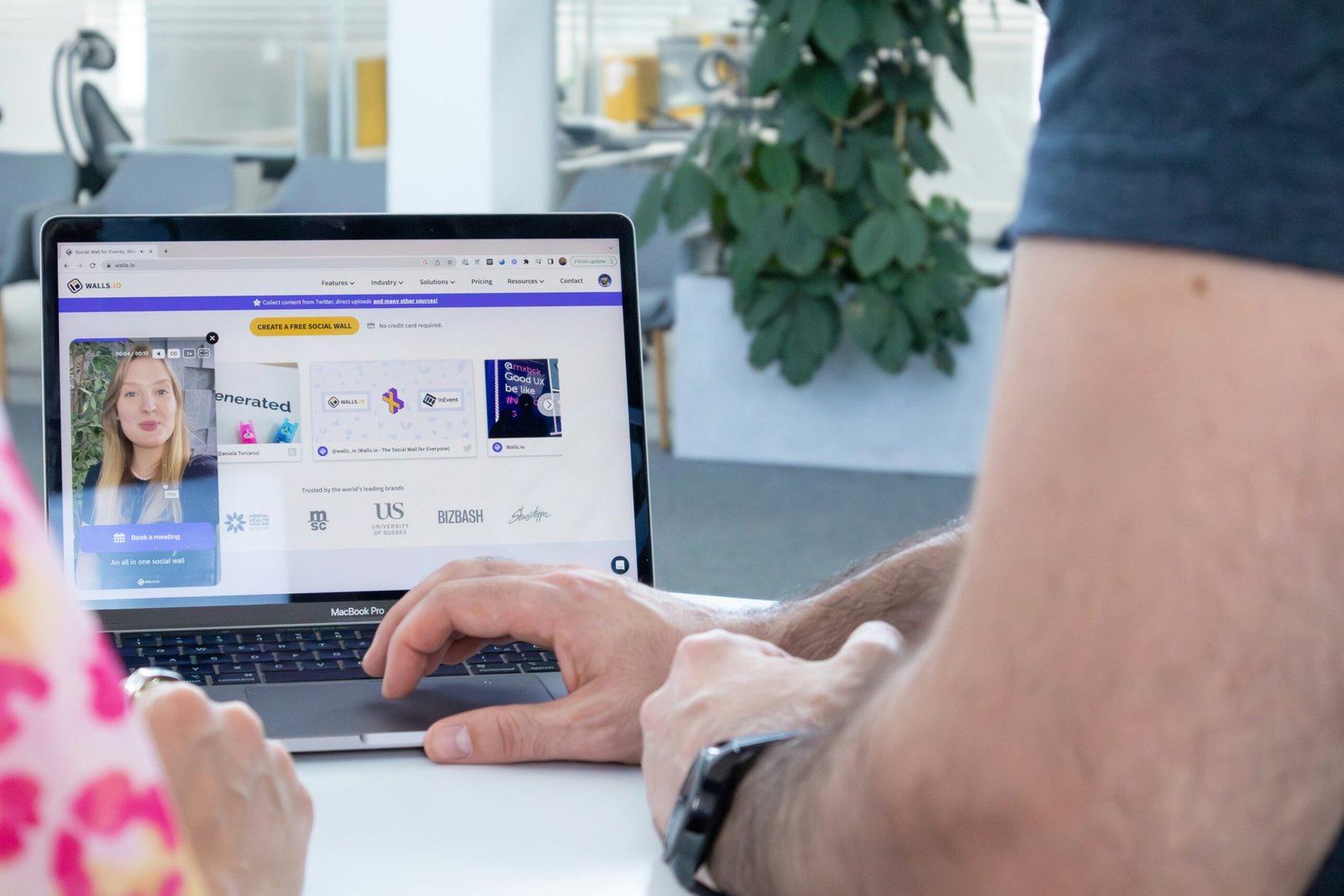
Introduction to Video Communication in the Workplace
In recent years, video communication has emerged as a fundamental component of workplace interaction, transforming how teams collaborate and connect. The rise of remote work, accelerated by global events and technological advancements, has prompted organizations to reevaluate traditional methods of communication. Video conferencing tools such as Zoom, Microsoft Teams, and Google Meet have become essential in bridging geographical divides, enabling effective collaboration among dispersed teams.
According to a recent survey, nearly 70% of professionals reported that video conferencing tools significantly enhance their ability to communicate and collaborate with colleagues. This shift not only reflects a change in working practices but also highlights the importance of real-time visual engagement as a facilitator of clearer communication. As workplace dynamics evolve, the demand for video communication technologies continues to rise, indicating a broad acceptance of these tools across various industries.
The advantages of video communication extend beyond mere convenience. Key statistics reveal that 87% of participants in another survey noted improvements in team cohesion and productivity when utilizing video features over traditional email or chat methods. These insights underline the critical role that video communication plays in fostering a more connected workforce. Furthermore, many organizations have recognized that implementing these technologies can lead to increased job satisfaction and retention rates, as employees appreciate the flexibility and inclusivity that video meetings provide.
As we delve deeper into the preferences of the workforce regarding video communication, it becomes evident that understanding these insights is vital for businesses aiming to optimize their collaboration strategies. By analyzing employee sentiments and preferences, leaders can better navigate the challenges and capitalize on the opportunities that video communication offers in the modern workplace.
Survey Overview: Methodology and Key Findings
The exploration of workforce preferences in video communication hinges upon robust survey methodologies that ensure both validity and reliability of the findings. The surveys conducted to assess these preferences employed a mixed-methods approach, combining quantitative and qualitative data collection techniques. Quantitatively, online questionnaires were distributed to a diverse demographic, comprising employees across various industries including technology, education, healthcare, and finance. This demographic diversity was essential in capturing a wide spectrum of preferences and experiences related to video communication.
Each survey was designed with targeted questions focusing on multiple dimensions, including platform preferences, desired features, and overall user satisfaction with video communication tools. To encourage comprehensive responses, the surveys were structured to include multiple-choice questions, Likert-scale ratings, and open-ended queries, which allowed participants to elaborate on their preferences and experiences. The average duration of the survey was approximately 15 minutes, ensuring that participants could engage without feeling rushed while permitting enough time for thoughtful responses.
Significant findings emerged from the analysis of the survey data. A predominant preference for specific video platforms was evident, with a notable inclination towards tools such as Zoom, Microsoft Teams, and Google Meet. Employees expressed that critical features, including ease of use, video quality, and reliable connectivity, played a vital role in their platform choice. Moreover, trends indicated that remote workers prioritize platforms with superior collaborative capabilities, while in-office employees lean towards tools that facilitate straightforward video conferencing. Additionally, insights from the data suggested that age and industry played significant roles in shaping video communication preferences, highlighting the need for tailored solutions in organizational strategies.
Employee Preferences: Insights Along Demographic Lines
Understanding employee preferences for video communication tools is essential for companies seeking to foster effective collaboration. Recent surveys shed light on how these preferences vary across different demographics, including age, gender, and job roles. Notably, generational differences play a significant role in shaping communication habits. For instance, Millennials are generally more inclined to embrace video conferencing technologies, often viewing platforms like Zoom and Microsoft Teams as essential tools for daily communication. Conversely, Baby Boomers tend to prefer traditional communication methods, favoring email and in-person meetings over video calls.
The work environment also significantly impacts employee preferences. In-office employees may utilize video tools differently than their remote counterparts. Studies reveal that remote workers often rely more heavily on video communication to maintain connections with colleagues and management. This reliance can lead to a preference for platforms with robust features that facilitate engagement, such as screen sharing and breakout rooms. Meanwhile, employees in a hybrid model may prefer a balanced approach, incorporating both in-person interactions and digital tools. This reveals a complex landscape where individual preferences are closely tied to their immediate work conditions.
Gender also influences communication preferences, with research indicating that men and women may approach video communication differently. Women, for example, often seek out platforms that prioritize user-friendly interfaces and features that enhance collaboration, such as chat functions and visual aids. On the other hand, men may emphasize the technical aspects of video tools, such as performance metrics and uptime reliability. These differences highlight the importance of tailoring video communication solutions to accommodate diverse employee needs, ensuring better engagement and satisfaction across all demographics.
Future Trends and Recommendations for Organizations
The landscape of video communication is rapidly evolving, driven by technological advancements and shifting workforce preferences. As organizations navigate this transformation, it is essential to understand emerging trends that will shape the future of video communication. One significant trend observed through recent surveys is the growing popularity of asynchronous video messaging. This method allows employees to communicate at their convenience, accommodating various work schedules and promoting a better work-life balance. Organizations should consider integrating asynchronous video tools into their communication strategies to enhance flexibility and responsiveness among team members.
Another notable trend is the increasing emphasis on personalization in video communication. Employees are favoring platforms that offer customized features, such as tailored backgrounds, emoji reactions, and virtual teams. By investing in video communication solutions that provide such personalization options, businesses can cater to the unique preferences of their workforce and foster a more engaging and inclusive environment. This approach not only increases satisfaction among employees but also enhances overall collaboration within teams.
Organizations must also pay attention to the importance of security and data privacy. With the rise of remote work, employees have grown increasingly concerned about the safety of their information during video calls. Companies should prioritize adopting robust security measures in their video communication platforms, ensuring compliance with industry regulations. Transparent policies that address security concerns will further build trust among employees, encouraging them to embrace video tools confidently.
In order to optimize team collaboration, organizations could implement regular training sessions focused on efficient video communication practices. These sessions should highlight best practices for virtual engagement, tools usage, and etiquette. By equipping employees with the necessary skills, businesses can significantly enhance the effectiveness of video communication, ultimately aligning with workforce preferences and fostering a cohesive team dynamic.
