










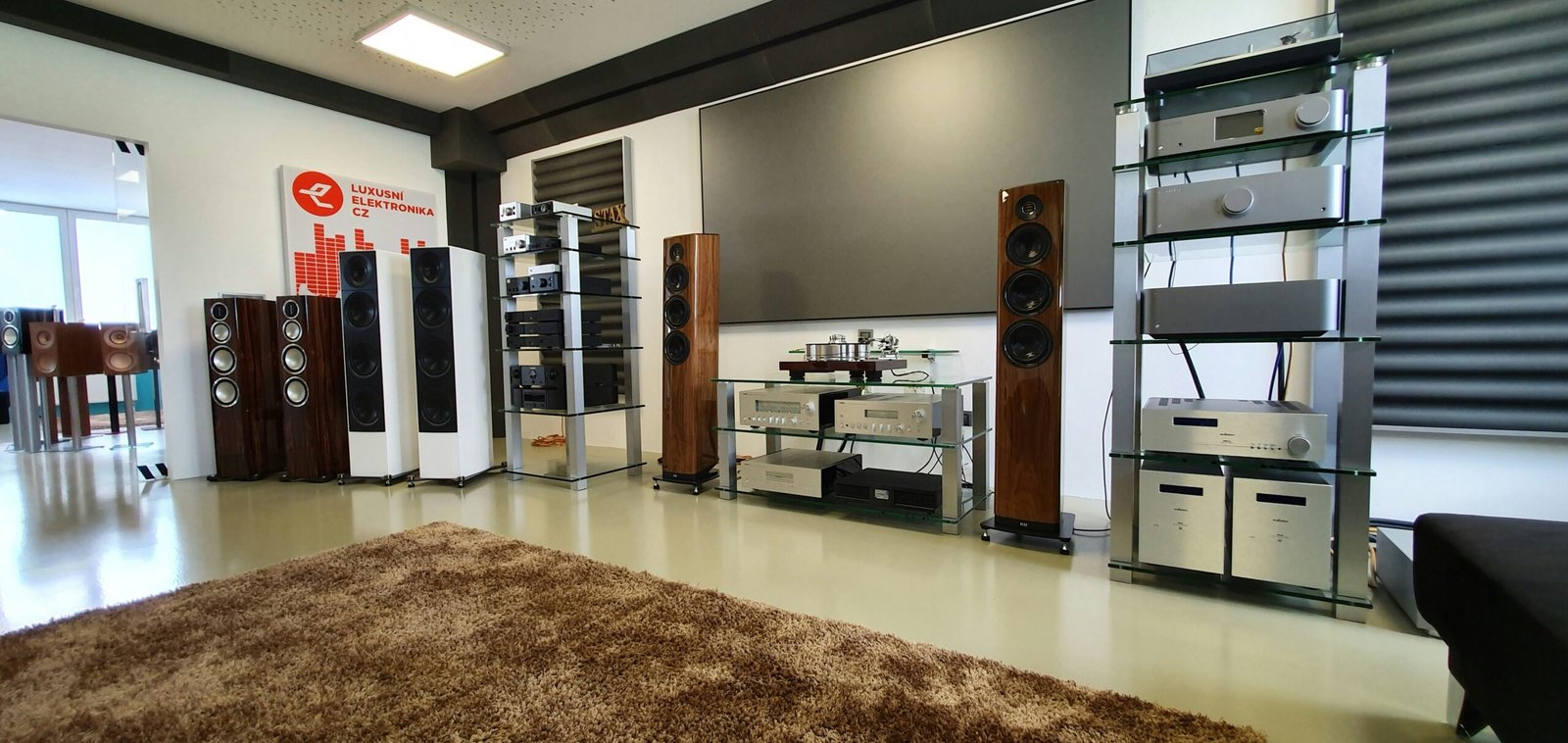
Introduction to Sound Experiences
Sound experiences encompass a diverse range of auditory elements that significantly influence our emotional and psychological states in various environments, including homes, workplaces, and public spaces. The auditory dimension is not merely a backdrop to our daily lives; it plays a crucial role in shaping our interactions, moods, and overall well-being. Whether it is the gentle hum of a bustling coffee shop or the calming sounds of nature in a personal sanctuary, the quality and design of sound can evoke powerful feelings and reactions.
The importance of sound in consumer products has gained momentum, as producers and designers recognize its profound impact on user experience. For instance, research indicates that a carefully curated sound environment can enhance focus and productivity in workplace settings, while pleasant auditory experiences in retail environments can encourage longer visits and increased spending. This shift highlights a growing trend towards personalized audio experiences, where consumers are not just passive listeners but participants in crafting the auditory landscapes that surround them.
Technological advancements have also played a pivotal role in shaping consumer preferences for sound quality and design. Modern audio devices incorporate sophisticated features such as noise cancellation, spatial audio, and customizable sound profiles, catering to individual tastes and preferences. As consumers become more discerning about the sound experiences they engage with, brands are increasingly adopting strategies to create immersive auditory environments that resonate personally with their audiences.
This focus on sound as a critical element in consumer experiences enables a deeper understanding of how sound influences purchasing decisions and lifestyle choices. Understanding consumer preferences regarding sound experiences can lead to innovative solutions that elevate everyday interactions and create environments conducive to emotional satisfaction and productivity.
Survey Methodology
The methodology employed in this survey was meticulously designed to ensure a comprehensive understanding of consumer preferences related to sound experiences. A mixed-method approach was utilized, combining quantitative and qualitative data collection techniques. The primary target audience consisted of diverse demographic groups, including age, gender, and geographical location, allowing for a well-rounded overview of varying preferences. To achieve a robust sample size, the survey aimed to collect responses from at least 1,000 participants.
The survey was distributed through online platforms, utilizing social media channels, email campaigns, and consumer forums to reach a wide array of respondents. This strategy ensured that individuals from different backgrounds and experiences with sound could contribute their insights. Careful consideration was given to the demographic characteristics, as the survey aimed to include participants representing various socio-economic strata and cultural backgrounds.
The questions posed to survey participants were designed to address several key aspects of sound experiences, such as preferences for music genres, audio quality, and environmental factors influencing their listening sessions. The questions also explored the emotional responses elicited by different soundscapes, allowing for a richer understanding of consumer sentiments. Preliminary testing of the questionnaire focused on clarity and relevance, ensuring that participants could provide thoughtful and informed responses.
While the methodology provided significant insights, it was not without limitations. Self-reported data can sometimes be subject to bias, as participants may alter their responses based on perceived social norms. Additionally, reliance on online distribution may exclude individuals without internet access or those less familiar with digital platforms. Acknowledging these limitations is vital for interpreting the findings and understanding their implications in the broader context of consumer preferences in sound experiences.
Key Findings on Consumer Preferences
Recent surveys provide valuable insights into consumer preferences regarding sound experiences, revealing prominent trends that reflect varying interests and needs. A significant finding indicates that the type of sound experiences favored by consumers varies widely, with music being the most popular choice among respondents. Genres such as pop, classical, and electronic emerged as preferred categories, highlighting a diverse spectrum of auditory engagement. In parallel, white noise and ambient sounds have gained traction, commonly utilized for relaxation and concentration, particularly among those working in fast-paced environments.
Additionally, preferences for sound devices play a critical role in shaping consumer choices. The survey data illustrates that headphones, particularly wireless models, dominate the market, preferred for their portability and immersive sound delivery. On the other hand, home speaker systems remain popular for communal listening experiences, suggesting a dichotomy between individual and shared sound encounters. The continued rise in smart speaker adoption reflects growing consumer interest in convenience and integration with technology, allowing users to access their favorite sound experiences hands-free.
Moreover, sound quality and customization have emerged as essential considerations for consumers. Many respondents indicated that superior sound quality significantly influences their purchasing decisions, as it enhances their overall listening experience. Interestingly, the ability to customize sound settings, such as equalizer adjustments for personal preferences, has become increasingly important as consumers seek tailored auditory experiences.
Demographic variations also outline notable differences in preferences. Younger consumers tend to favor portable and versatile audio devices, while older demographics display a preference for traditional home audio systems. Additionally, lifestyle factors such as occupation, daily routines, and leisure activities greatly impact choices concerning sound experiences, suggesting that understanding these elements is crucial for manufacturers aiming to meet consumer demands effectively.
Implications for Brands and Marketers
The recent surveys examining consumer preferences in sound experiences deliver pivotal insights for brands and marketers in the audio industry. Understanding these preferences is vital for developing products that not only meet consumer expectations but also create engaging and memorable experiences. Brands must prioritize consumer-centric approaches in their product development processes, ensuring that their offerings resonate with target audiences.
One of the strategic approaches for brands is to incorporate adaptive sound technologies that align with consumer preferences. This includes utilizing artificial intelligence to analyze user data, allowing brands to adapt their products dynamically to enhance individual experiences. For example, audio brands can create customizable sound profiles that cater to diverse listening habits, be it for casual enjoyment, gaming, or professional audio work. By doing so, companies can foster a deeper connection with customers, ultimately boosting brand loyalty.
Moreover, marketing strategies should be designed to reflect the unique sound preferences garnered from the surveys. Brands could create targeted campaigns that resonate with specific demographics, utilizing social media platforms, influencer partnerships, and online communities. Engaging content, such as tutorials on optimizing sound experiences or sharing user-generated content, will not only attract new customers but also deepen existing relationships with the brand.
Additionally, leveraging consumer feedback is essential in refining product offerings. Brands can implement feedback loops, inviting customers to share their experiences and preferences, which can inform future product iterations. This approach not only helps brands stay aligned with consumer desires but also enhances transparency and trust in the brand-consumer relationship.
By effectively applying these strategies, brands can capture the evolving landscape of consumer sound experiences, paving the way for innovative products that resonate deeply with users, ultimately driving success in a competitive market.
